Featured
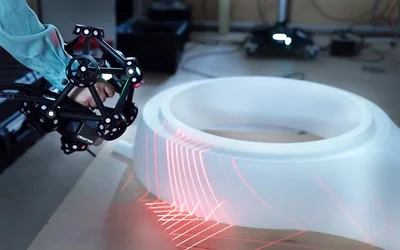
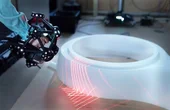
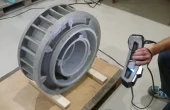
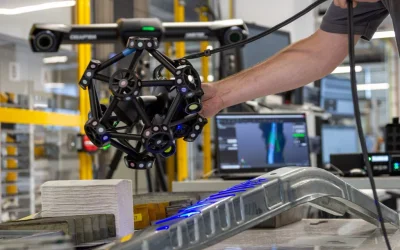
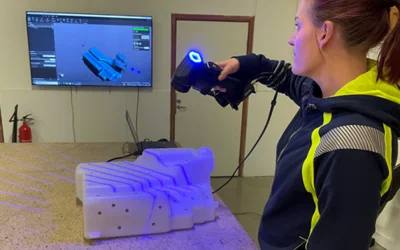
High-speed, high-precision 3D scanner greatly streamlines the measurement work of wood model makers, which is a labor-intensive and time-consuming process.
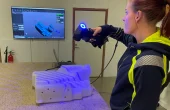
High-speed, high-precision 3D scanner greatly streamlines the measurement work of wood model makers, which is a labor-intensive and time-consuming process.
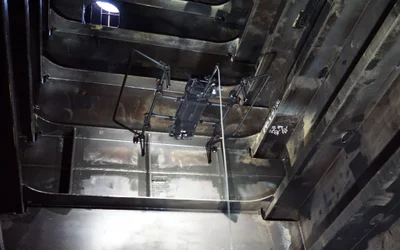
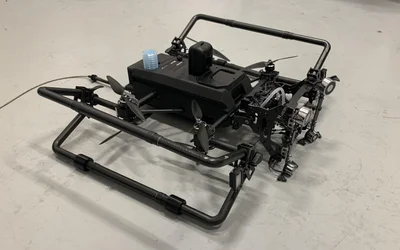
A large metal vessel of a Floating Storage and Offloading (FSO) unit requires an extensive inspection from every angle, but cramped spaces and high temperatures make the inspection challenging. This inspection was done with a flying robot to avoid putting people in the small and hot areas.
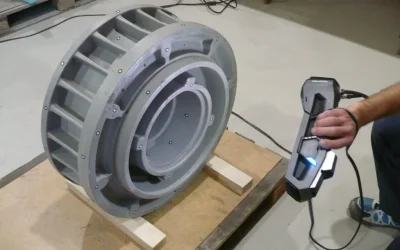
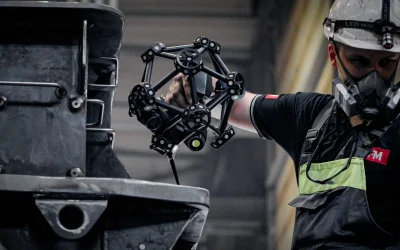
An on-site demo of the Go!SCAN SPARK at Hidrostal’s facilities made a particularly good impression as it enabled the team to save several hours compared with the technology the company had been operating, and, on top of that, it was also easier to use.
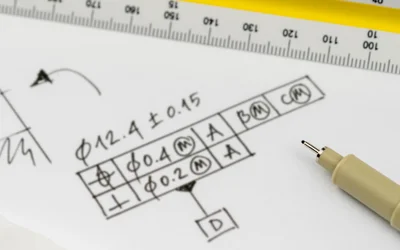
This guide covers the true position formula, how to read the feature control frame, and how MMC and LMC generate bonus tolerance.
10 minutes read.
14 minutes read.
13 minutes read.
12 minutes read.
9 minutes read.

Robotics and Drones
We empower R&D by providing the computational power, ROS packages, payloads...
14 Posts

Drone Fleet Management Software
Cloud Ground Control is a cloud based command and control solution for oper...
7 Posts
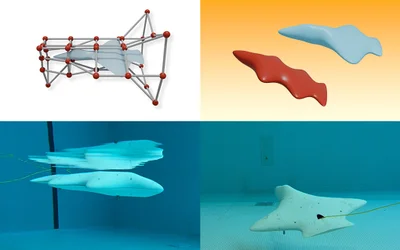
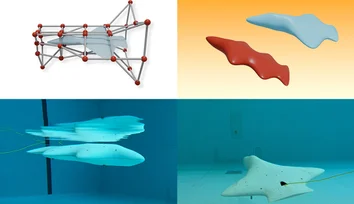
An AI pipeline developed by CSAIL researchers enables unique hydrodynamic designs for bodyboard-sized vehicles that glide underwater and could help scientists gather marine data.
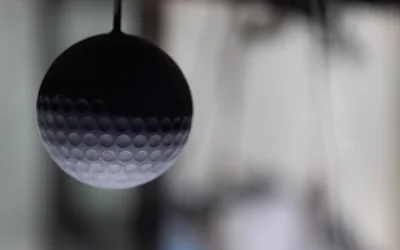
A spherical prototype with "nimble dimples" can change its surface from smooth to dimpled, cutting through drag and generating lift.
Helping Maintain Stable Position in Fast-Moving Waters
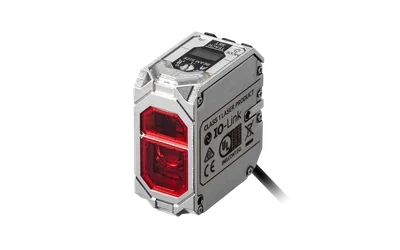
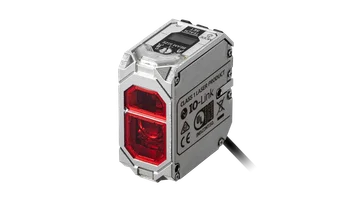
Conventional photoelectric sensors used for object detection and distance measurement can struggle with dark, glossy, or irregular targets because they rely on light intensity. Time-of-flight laser sensors overcome these challenges by using distance-based sensing instead.
Why traditional inspection can no longer keep pace with modern automotive production, and what to do about it
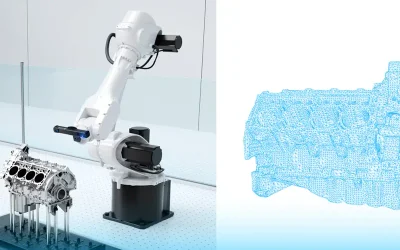
Physics Behind the Blue Laser Advantage
Learn how Shining3D is driving precision in automotive and civil aviation.
High-speed, high-precision 3D scanner greatly streamlines the measurement work of wood model makers, which is a labor-intensive and time-consuming process.

6 minutes read
A large metal vessel of a Floating Storage and Offloading (FSO) unit requires an extensive inspection from every angle, but cramped spaces and high temperatures make the inspection challenging. This inspection was done with a flying robot to avoid putting people in the small and hot areas.

An on-site demo of the Go!SCAN SPARK at Hidrostal’s facilities made a particularly good impression as it enabled the team to save several hours compared with the technology the company had been operating, and, on top of that, it was also easier to use.
Using an Intelligent Flying Robot, inspectors can safely perform measurements and inspections without exposure to potential hazards.
Based in South Korea, Autocut is an automotive paint protection film (PPF) and tinted film solutions provider. It delivers software with 17000+ pattern data of paint protection films (PPF) and pre-cutting films for automotive aftermarket shops. Pre-cutting of the film based on the shapes of car parts is needed for productive PPF projects. With over 15 years of expertise, Autocut’s solutions are adopted in over 100 shops in South Korea.
2 minutes read
The world's first high-temperature aerial platform for Close and General Visual Inspection performs a job at 65°C on an offshore platform.
Researchers at ETH Zurich and the Swiss Federal research institute WSL have developed a flying device that can land on tree branches to take samples. This opens up a new dimension for scientists previously reserved for biodiversity researchers.

3 minutes read
On January 20, Team POLAR showcases its first vehicle for independent climate research in icy, inhospitable regions such as the North and South Poles.
High-precision measurements, shorter surveying times and the rapid further processing of the data obtained convinced voestalpine Stahl.
3 minutes read
Latvian company SFM, a provider of transformer tanks, has been using Creaform MetraSCAN BLACK 3D scanner with VXelements software for 2 years, to provide high-quality 3D measurement reports for its products.
2 minutes read
Earlier this year, SKYRON was the first flying robot to perform contact-based NDT inspection on an offshore platform.
2 minutes read
Hummingbirds have extreme aerial agility and flight forms, which is why many drones and other aerial vehicles are designed to mimic hummingbird movement. Using a novel modeling method, researchers gained new insights into how hummingbirds produce wing movement, which could lead to design improvements in flying robots.

3 minutes read
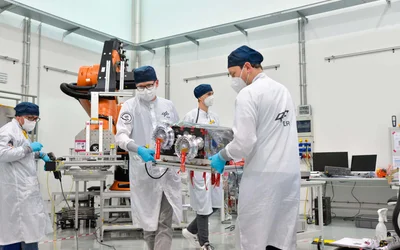
The origin of Mars’ two moons, Phobos and Deimos, is still unclear. To unravel this mystery, the Japan Aerospace Exploration Agency (JAXA) Martian Moons eXploration (MMX) mission is scheduled to launch in 2024.

7 minutes read
End-to-end recycling solutions deliver the benefits of carbon fiber composites with a more circular approach.
3D laser scanners are a hot topic these days. 3D laser scanning is an advanced technology with a market growth forecasted by some reports to grow at a CAGR of 7.5% from 2021 to 2026. Other research indicates that the 3D laser scanner market will likely reach $16.66 billion by 2030.
7 minutes read