Three phase circuits deliver balanced power for industrial and high demand applications, but mismatched wires can cause equipment damage or safety hazards. These 3 phase wire color code schemes ensure correct installation, proper phase rotation, and compliance with electrical codes.
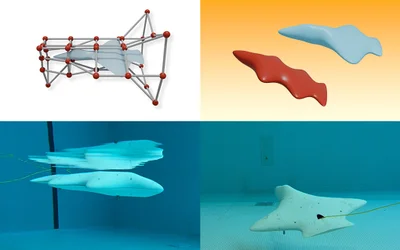
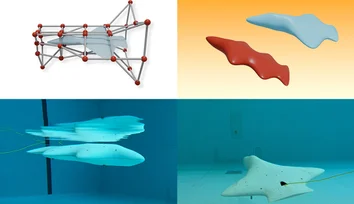
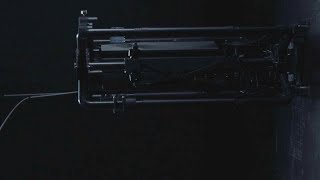
An AI pipeline developed by CSAIL researchers enables unique hydrodynamic designs for bodyboard-sized vehicles that glide underwater and could help scientists gather marine data.
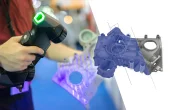
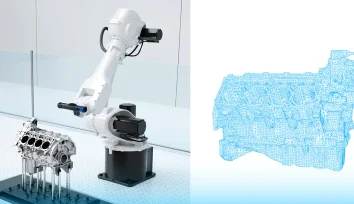
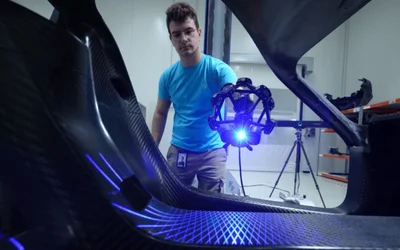
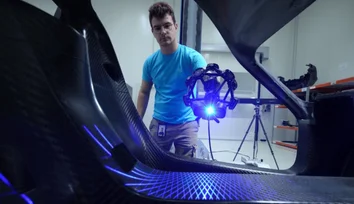
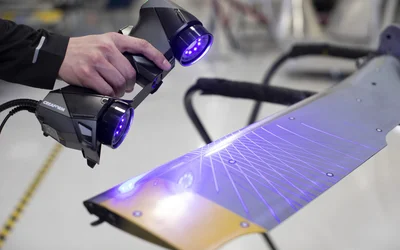
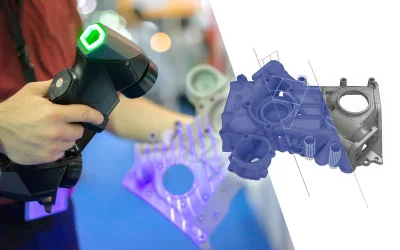
With SCANOLOGY's KSCAN-X 3D scanner, wind turbine manufacturers can redesign blade core materials faster and more accurately than ever—cutting revision time from days to just 30 minutes.
Smarter technology, stronger performance.
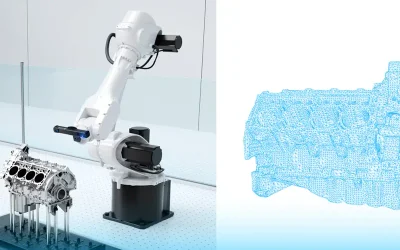
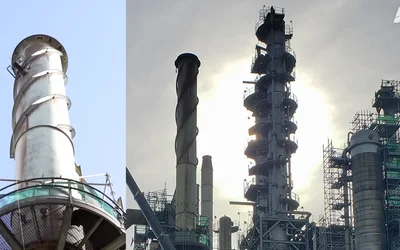
Advanced 3D scanning delivers comprehensive, high-accuracy inspection for massive grinding roller shells. It replaces manual measurement with fast, traceable digital analysis, enabling smarter maintenance and reduced operational costs.
SCANOLOGY's 3D scanning empowers wind turbine blade manufacturers to precisely control core dimensions, eliminate rework, and achieve seamless assembly—turning a long-standing "core challenge" into data-driven manufacturing excellence.
Tests conducted by Cornell and the U.S. Navy used new algorithms to outperform state-of-the-art programming for autonomous underwater sonar imaging, significantly improving the speed and accuracy for identifying objects such as explosive mines, sunken ships, airplane black boxes, pipelines, etc.
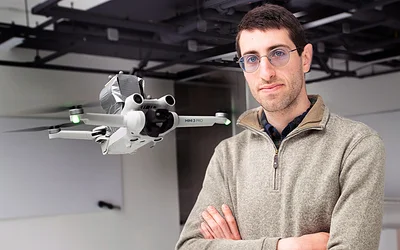
Engineers at EPFL and the University of Geneva believe they hold the key to automated drone mapping. By combining artificial intelligence with a new algorithm, their method promises to considerably reduce the time and resources needed to accurately scan complex landscapes.
A team of researchers in Korea has been working on functional acoustic energy transmission (AET) systems, and their latest paper details a major breakthrough: Prototypes capable of powering LEDs, sensors, and Bluetooth transmitters at range and through materials include metal, tissue, and water.
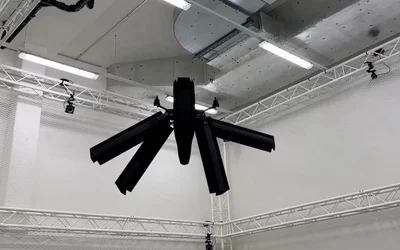
In this episode, we talk about how an app leveraging 3 sets of machine learning algorithms aims to reduce waste and emissions by creating 3D models of feet and the hoverfly inspired AI that will be keeping airfields safe from small drones via acoustic mapping and filtering.
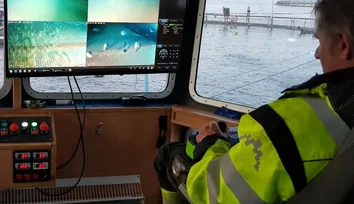
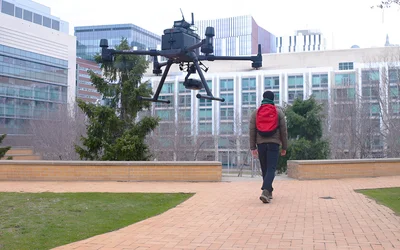
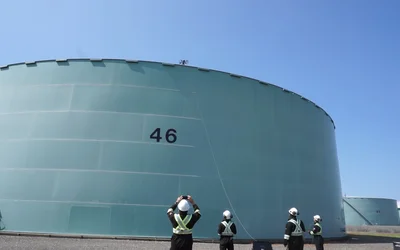
Could drones provide a safe and effective alternative to sending out ships, helicopters and cranes in future, and could they take some of the pressure off of maintenance staff?
With growing concern over microplastics from ocean waste, autonomous underwater vehicles — AUVs — have been proposed as a tool for cleaning up our seas, but only if they can pick the plastics out from the fish: Enter these tweaked EfficientDets, boosting accuracy for the task.
One of the main things people are interested in when solving a complex robotic manipulator problem is the DoF and Functions. These two distinct pieces of terminology help to shortcut conversations and make sure everyone is talking on the same page!
An ROV camera is any visual imaging system that can be used on underwater ROVs to provide the operator with a perception of the operating environment. The depth rating for an ROV camera usually starts at 300m.
The aim of this article is to provide a high-level answer to the question: “What do people use underwater robotic arms for?” If you’ve worked with Remotely Operated Vehicles (ROVs) before, this article probably isn’t for you. For everyone else, let’s go.