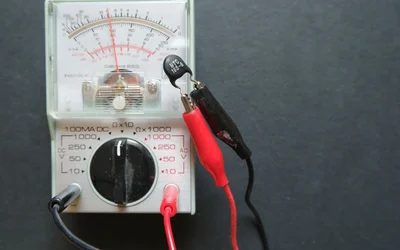
NTC thermistor is a ceramic resistor whose resistance falls sharply as it warms. This guide covers what sets its curve, how to read R25, B value, and dissipation constant on a datasheet, how to design a sensing divider with real numbers, and how to size an NTC inrush current limiter.
Technical Guides
Latest Posts


Lidar SLAM lets a robot, vehicle, or handheld scanner map an unknown space while tracking its own position inside it. This guide discusses the processing pipeline, compares nine lidar SLAM and odometry algorithms, from GMapping to lidar-inertial and neural methods, and shows how to choose sensors

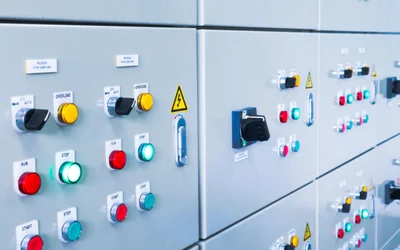
The motor control center puts the starters, protection and controls for many electric motors into one lineup of cabinets. This guide explains what it is, how it is built, how it differs from switchgear and a VFD, and what current standards expect for safety and maintenance.

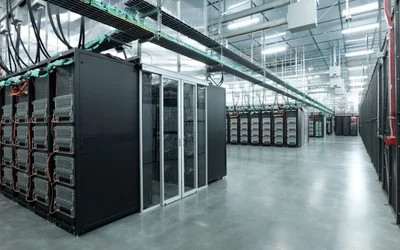
A practical engineering guide to spine-leaf data center fabrics: how every leaf connects to every spine, why the design replaced the three-tier network, how to size oversubscription and port counts, and which routing, cabling, and optics choices follow from it.

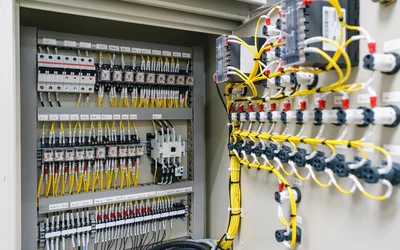
NFPA 79 governs the electrical equipment inside industrial machines, picking up where the National Electrical Code stops. This guide covers its scope, how it splits responsibility with the NEC and UL 508A, what the 2024 edition requires, and the 2027 revision in progress.
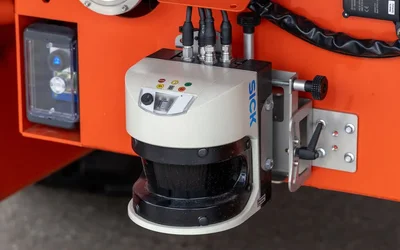
Lidar measures distance with laser light; radar with radio waves. This guide compares the two technologies using published figures for wavelength, range, resolution, velocity, weather, and cost, and discusses suitable applications for each.

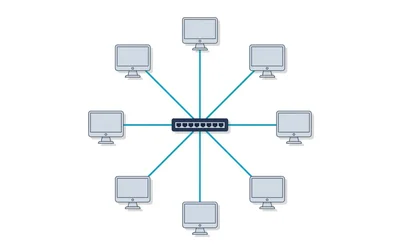
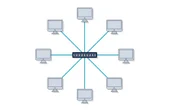
What is star topology? See how a star network works, its advantages and disadvantages, extended and hub-and-spoke variants, and why Wi-Fi is a star.
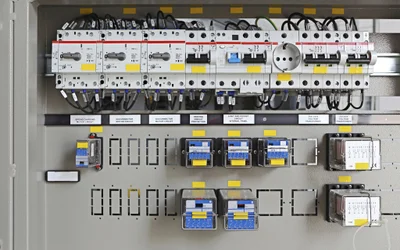
This guide covers what it applies to, how it differs from UL 508, how Supplement SB establishes the short-circuit current rating for a panel, and what it actually takes to label a panel under the UL 508A panel shop program.
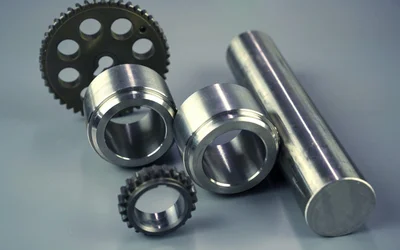
Passivation is a post-fabrication treatment that brings stainless steel parts back to the full corrosion resistance of their grade.

Controlled impedance is the control of PCB trace impedance within specified tolerances. This article covers microstrip and stripline designs, IPC-2141A formulas, stackup selection, impedance tolerances, routing practices, and TDR testing for signal integrity.

A guide to ISO 2768, the standard that sets default permissible deviations for dimensions that carry no individual tolerance.

Radar finds objects by sending out radio waves and timing the echo that comes back. This guide explains how radar works from first principles, runs the radar equation with real numbers, and compares the frequency bands, radar types and applications you will meet in practice.

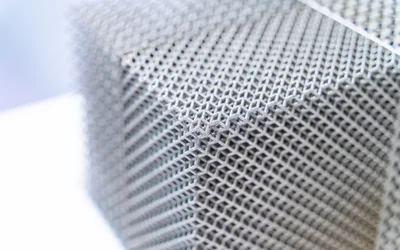
A practical comparison of CNC machining and 3D printing for engineers, covering tolerances, surface finish, materials, geometry, and cost.

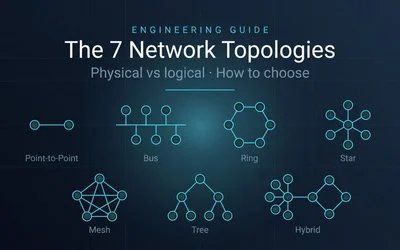
Network topology is the shape of a network: which nodes connect to which, and which paths data can take between them. This guide covers the seven types, how they compare, why the physical and logical views differ, and how to choose one for IoT and industrial systems.


A semiconductor is a material whose electrical conductivity falls between that of a conductor and an insulator and can be controlled by temperature, light, and impurities. This article covers semiconductor materials, doping, diodes, transistors, and integrated circuits.

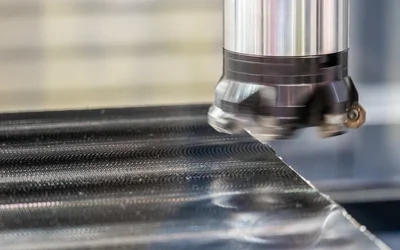
Surface finish symbols express a parameter, a limit, a process, and a lay direction in a callout the size of a check mark.

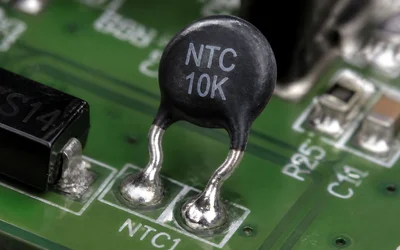
Read what a thermistor is, how NTC and PTC types work, the beta and Steinhart-Hart equations, key specs, applications and how to test one.
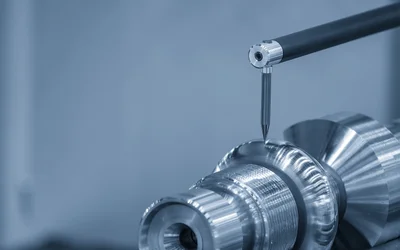
A reference chart for converting between surface finish units, plus Ra values by manufacturing process and the relationship between surface
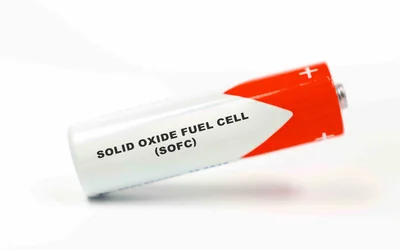
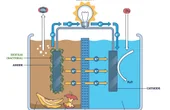
A solid oxide fuel cell converts fuel directly into electricity through a ceramic electrolyte that conducts oxygen ions at high temperatures. This guide covers the electrochemistry, the material choices, where the efficiency really comes from, and the degradation mechanisms.
Surface finish decides whether a bearing seizes, a weld bonds, or a shaft survives its fatigue life. This guide covers what it is, its parameters, and how to specify it.

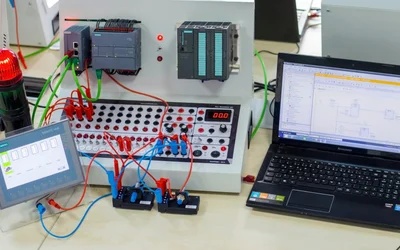
In this article, we'll see how PLC and SCADA systems differ, how they work together, and which protocols, scan times and security controls matter in industrial automation.
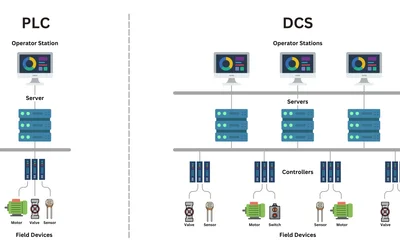
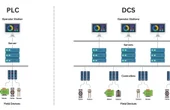
This guide compares PLC vs DCS architecture, scan times, redundancy, scalability, programming, costs, and applications to help you choose the right industrial control system.
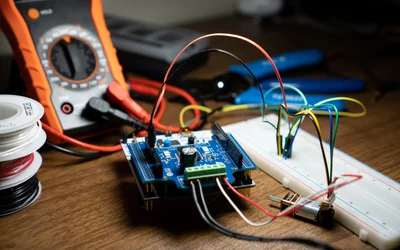
A practical selection guide to the STM32 Nucleo family: the three form factors, what the order code tells you, what the on-board ST-LINK actually does, and how Nucleo compares to Discovery kits and to Blue Pill and Black Pill boards.


DIN rail terminal blocks are modular connectors that secure and organize wires on standardized DIN rails. This article explains rail profiles, ratings, connection methods, wire sizes, accessories, and assembly practices for reliable control panels.

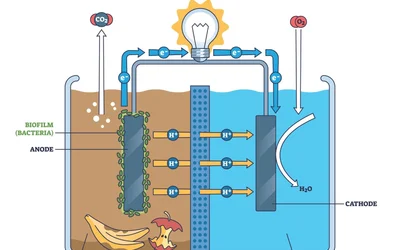
A microbial fuel cell turns the metabolism of living bacteria into an electrical current. This guide covers the electrochemistry, microbiology, materials, real performance numbers from pilot plants, and the economics that still keep the technology out of mainstream power generation.