Featured
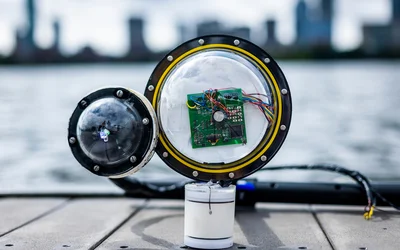
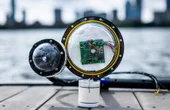
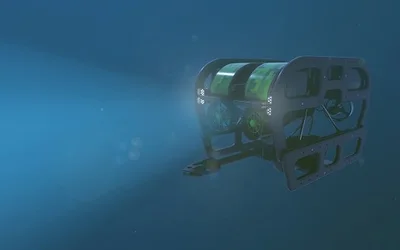
The device could help scientists explore unknown regions of the ocean, track pollution, or monitor the effects of climate change.
The device could help scientists explore unknown regions of the ocean, track pollution, or monitor the effects of climate change.
In this episode, we talk about how a team from TUM has developed a system composed of collaborative drones that can create structure in remote and/or disastrous areas.
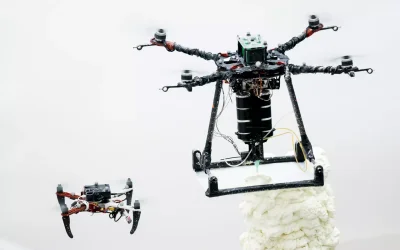
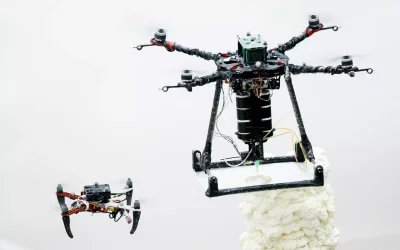
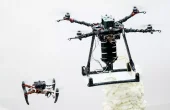
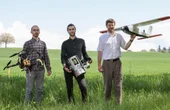
An international team of researchers have created a fleet of bee-inspired flying 3D printers for building and repairing structures in-flight.
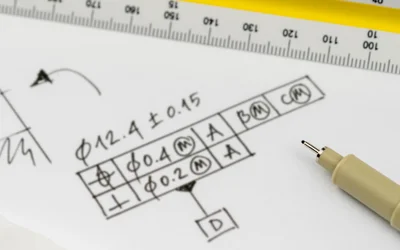
This guide covers the true position formula, how to read the feature control frame, and how MMC and LMC generate bonus tolerance.
10 minutes read.
14 minutes read.
13 minutes read.
12 minutes read.
9 minutes read.


Robotics and Drones
We empower R&D by providing the computational power, ROS packages, payloads...
14 Posts

Drone Fleet Management Software
Cloud Ground Control is a cloud based command and control solution for oper...
7 Posts
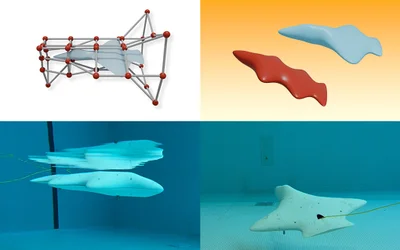
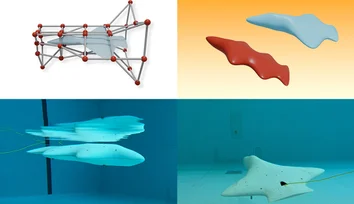
An AI pipeline developed by CSAIL researchers enables unique hydrodynamic designs for bodyboard-sized vehicles that glide underwater and could help scientists gather marine data.
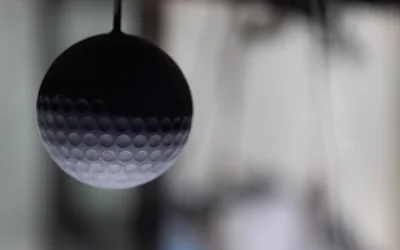
A spherical prototype with "nimble dimples" can change its surface from smooth to dimpled, cutting through drag and generating lift.
Helping Maintain Stable Position in Fast-Moving Waters
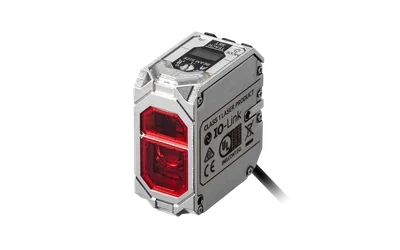
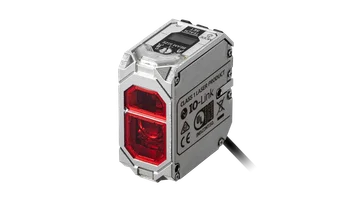
Conventional photoelectric sensors used for object detection and distance measurement can struggle with dark, glossy, or irregular targets because they rely on light intensity. Time-of-flight laser sensors overcome these challenges by using distance-based sensing instead.
Why traditional inspection can no longer keep pace with modern automotive production, and what to do about it
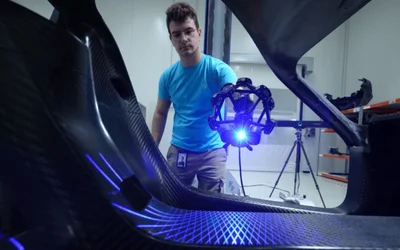
Physics Behind the Blue Laser Advantage
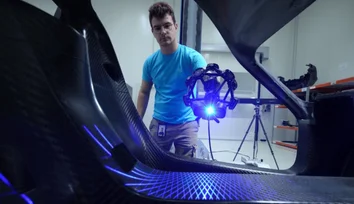
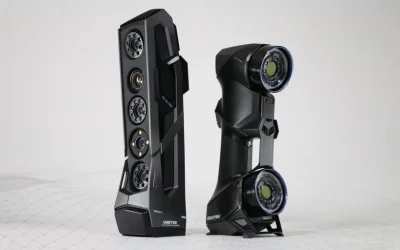
Learn how Shining3D is driving precision in automotive and civil aviation.
The device could help scientists explore unknown regions of the ocean, track pollution, or monitor the effects of climate change.
In this episode, we talk about how a team from TUM has developed a system composed of collaborative drones that can create structure in remote and/or disastrous areas.

An international team of researchers have created a fleet of bee-inspired flying 3D printers for building and repairing structures in-flight.
Computer-aided design (CAD) is defined as the use of computers to assist in the creation, modification, or optimization of a design. CAD software enables designers and engineers to model shapes and add features with the ultimate goal of producing parts.

7 minutes read
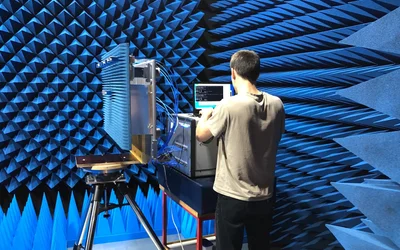
Researchers from DTU Space have developed a new type of high-resolution radar that looks in many directions concurrently.

4 minutes read
In this post, we want to offer you guidance on why choosing 3D scanning for inspection. We want to help you differentiate the different types of 3D scanners and metrology software, and choose the best one for your inspection needs.
5 minutes read
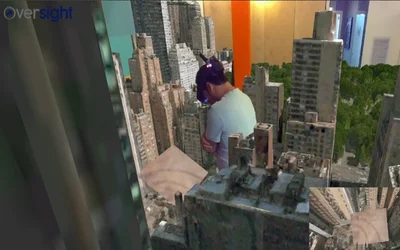
For real-time geo-registration, Oversight uses a physical engine and digital twins to make image matching algorithms more agnostic to variations.

2 minutes read
Flightmare is an open-source simulator for quadrotors that moves away from rigid paradigms and proposes a flexible modular structure that empowers the users or automated algorithms to fine-tune the simulator to the task at hand.
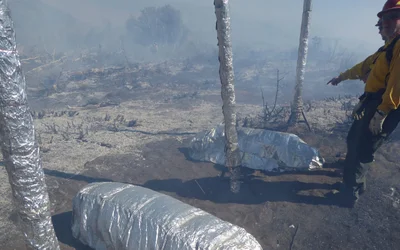
In this episode, we talk about how researchers are developing tools to keep us safe using technology that ranges from ultra-heat resistant tents for fighters to drones capable of discovering hidden landmines.
DTU spinout solves mine clearance tasks for the Danish Defence and the offshore wind turbine industry.
3 minutes read
Monthly robotics news blog. Discover the latest products, research, tutorials, and security news for robotics.

6 minutes read
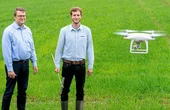
Using smart sensor and measurement techniques to make farming more efficient and sustainable is the goal of a team of researchers at TUM.
Tests conducted by Cornell and the U.S. Navy used new algorithms to outperform state-of-the-art programming for autonomous underwater sonar imaging, significantly improving the speed and accuracy for identifying objects such as explosive mines, sunken ships, airplane black boxes, pipelines, etc.

2 minutes read
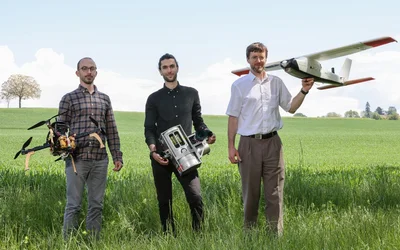
Engineers at EPFL and the University of Geneva believe they hold the key to automated drone mapping. By combining artificial intelligence with a new algorithm, their method promises to considerably reduce the time and resources needed to accurately scan complex landscapes.
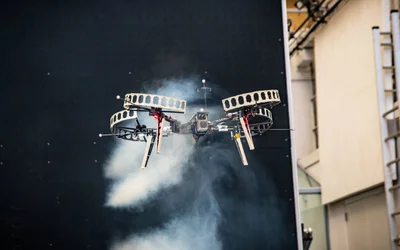
To be truly useful, drones—that is, autonomous flying vehicles—will need to learn to navigate real-world weather and wind conditions.

4 minutes read