Media Blasting: Fundamentals and Best Practices for the Post Process
Understand the fundamentals of media blasting and discover proven methods for improving surface adhesion, minimizing contamination, and achieving consistent, high-quality finishes in post-process operations.

22 Oct, 2025. 8 minutes read
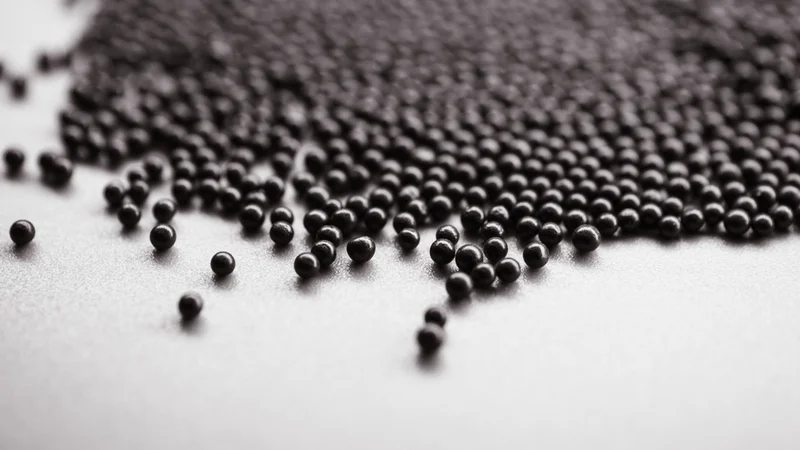
In manufacturing, achieving a high-quality finish is just as important as the fabrication process itself. Post-processing transforms raw or freshly produced components into professional, functional, and aesthetically appealing parts. Whether a component is 3D printed, cast, or machined, post-processing ensures it meets the required surface, dimensional, and structural standards. Among the many post-processing methods available, media blasting is one of the most versatile and widely adopted techniques.
Media blasting involves propelling abrasive materials—called “media”—at a surface under controlled conditions. This process removes imperfections, cleans contaminants, and alters surface textures to achieve specific functional or cosmetic outcomes. It is used across industries such as aerospace, automotive, metal fabrication, and additive manufacturing. When properly executed, media blasting can significantly improve adhesion for coatings, enhance corrosion resistance, and produce a consistent surface finish. Understanding the fundamentals of this process, as well as selecting the correct media type and parameters, is essential for maximizing both performance and quality.
What is Media Blasting?
Media blasting, often referred to as abrasive blasting, is a surface finishing process that uses high-pressure air or mechanical force to propel abrasive media against a substrate. The goal is to clean, smooth, roughen, or otherwise modify the surface of a part.[1] Depending on the medium and pressure applied, media blasting can range from aggressive material removal to delicate surface cleaning.
The process typically involves three key elements:
Blasting equipment
Abrasive media
Surface being treated
In the media blasting process, compressed air or a centrifugal wheel accelerates the media, which strikes the part surface at high velocities. The impact either removes unwanted material (like rust, scale, or old paint) or modifies the surface texture for improved adhesion or appearance.
Media blasting can be performed in enclosed cabinets for small parts or in open blasting rooms for larger workpieces. Automated systems are also common in production environments, offering consistent and repeatable results.
The versatility of this process makes it compatible with metal surfaces, plastics, composites, ceramics, and even wood.[2] By adjusting variables—such as pressure, nozzle type, distance, and media composition—operators can precisely control the aggressiveness and finish quality of the process. This adaptability has made media blasting an indispensable tool in both industrial and artisanal applications.
What is media blasting used for:
Media blasting is a highly adaptable finishing process used to clean, shape, or enhance the surface of a material through the controlled impact of abrasive media. Its versatility makes it suitable for everything from heavy-duty industrial cleaning to precision finishing of delicate components. Below are some of the post-processes that media blasting is used for:
Surface cleaning: Effectively removes rust, oxidation, paint, scale, grease, and other contaminants from metals, composites, and plastics. This process restores surfaces to a clean, bare state, ready for further finishing or inspection.
Surface preparation: Creates a controlled texture that enhances coating, paint, or adhesive adhesion. It ensures consistent bond strength and extends the lifespan of protective coatings.
Smoothing and polishing: Refines rough or uneven surfaces, eliminates tool marks, and produces smooth, uniform finishes for both functional and aesthetic purposes.
Peening: Strengthens metal components by inducing compressive surface stresses, increasing fatigue resistance in parts such as springs, gears, and turbine blades.
Deburring and deflashing: Removes burrs, sharp edges, or excess flash from machining, molding, or casting operations without altering part geometry.
Surface blending: Harmonizes repaired or welded areas with surrounding surfaces to create a uniform, professional appearance.
Different Types of Media
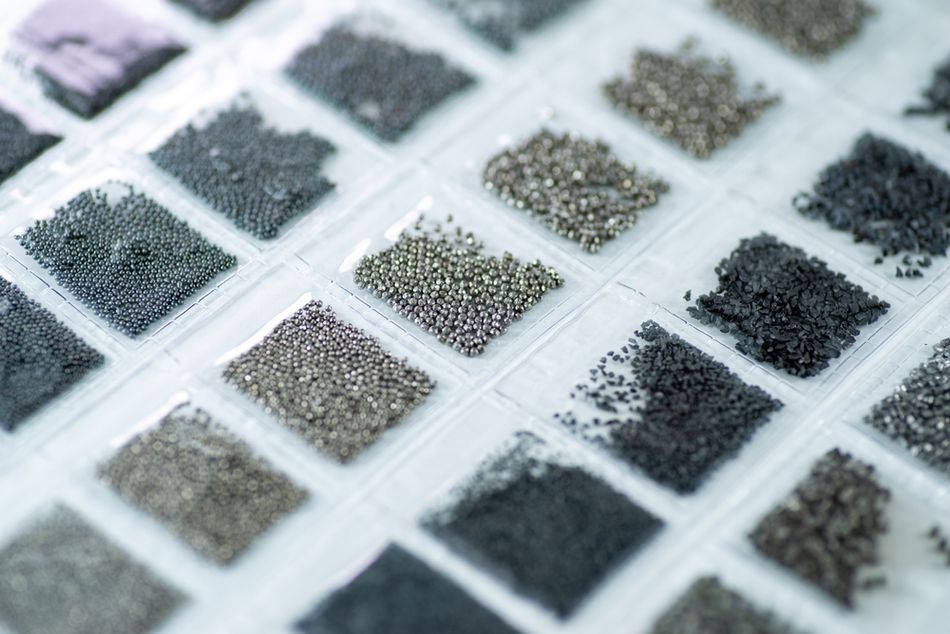
There are many types of blasting media, each designed for specific materials and results. Selecting the correct medium ensures efficiency, quality, and cost-effectiveness. Below is a comparison of commonly used blasting media:
Media Type | Description | Typical Applications | Material Compatibility |
Glass Beads | Spherical glass particles used for smooth, satin finishes without material removal. | Peening, cleaning, polishing. | Aluminum, stainless steel, plastics. |
Aluminum Oxide | Sharp, durable abrasive for aggressive cutting and surface prep. | Paint removal, etching, deburring. | Steel, iron, titanium. |
Sodium Bicarbonate (Soda blasting) | Gentle, non-destructive medium; dissolves in water. | Cleaning delicate surfaces, removing coatings without damage. | Soft metals, plastics, composites. |
Walnut Shells | Organic, biodegradable media used for polishing and light cleaning. | Cleaning engines, molds, or wood. | Metals, plastics, composites. |
Sand | Traditional abrasive for heavy-duty cleaning; less common due to health risks (silicosis). | Rust and paint removal. | Metals and masonry. |
Plastic | Soft, non-metallic media ideal for gentle cleaning and finishing without damaging surfaces. | Removing coatings, cleaning delicate parts, paint stripping. | Aluminum, plastics, composites, sensitive metals. |
Steel Grit/Shot | Reusable metallic media providing aggressive cleaning or peening. | Descaling, surface hardening. | Ferrous metals. |
Silicon Carbide | Extremely hard media for cutting and etching dense materials. | Etching, surface prep for ceramics or glass. | Hard metals, ceramics, stone. |
Corn Cob Grit | Lightweight, biodegradable medium for gentle cleaning. | Drying, polishing, removing light contamination. | Wood, plastics, soft metals. |
Ceramic Beads | Tough, spherical media producing consistent, smooth finishes. | Surface finishing, cleaning high-value components. | Stainless steel, titanium, alloys. |
Garnet | Natural mineral abrasive known for high efficiency and recyclability. | Rust removal, surface prep for coatings. | Metals, concrete. |
Wire Shot | Cut or conditioned wire particles used for cleaning, finishing, or peening. Durable and provides uniform impact energy. | Shot peening, surface cleaning, descaling, and preparation before coating. | Steel, stainless steel, aluminum, and other metals. Not ideal for soft materials. |
Five Tips for choosing media blasting material
Match hardness to substrate: Choose media softer than the base material to prevent damage when precision or surface integrity is important.
Define your goal: Use coarse, angular media for material removal and fine, spherical media for polishing or peening.
Consider reusability: Steel shot and ceramic beads are more durable and reusable, reducing long-term cost.
Consider environmental impact: Biodegradable media like nut shells or corn cob grit are safer for the environment since they are biodegradable. Glass blasting can also use recycled glass.
Evaluate contamination risk: Use non-ferrous media when blasting aluminum or stainless steel to avoid rust contamination.
Applications for Media Blasting
Media blasting serves a wide variety of industrial and commercial purposes. One of its most common uses is surface preparation (i.e. removing rust, paint, or scale before coating or painting operations). The process ensures better adhesion and durability of subsequent finishes.
In the aerospace and automotive sectors, precision blasting is used for peening components such as gears, turbine blades, and springs. Peening induces beneficial compressive stresses on the surface, improving fatigue resistance and extending component life.
The maritime industry also relies heavily on media blasting for both maintenance and surface preparation. Ship hulls, propellers, and offshore structures are frequently blasted to remove marine growth, corrosion, and old coatings before repainting or anti-fouling treatment. This process helps maintain hydrodynamic efficiency, reduces fuel consumption, and prolongs vessel life. Specialized blasting techniques—such as wet blasting—are often employed to minimize dust and environmental contamination during shipyard operations.
For restoration and maintenance, blasting efficiently removes corrosion, oxidation, or contaminants from tools, machinery, and historical artifacts without altering the underlying material. The process is also invaluable in tooling and mold cleaning, where buildup removal helps maintain dimensional accuracy and product quality.
Finally, decorative finishing applications, such as frosting glass or creating matte metallic surfaces, rely on carefully controlled blasting to achieve consistent aesthetics.
Media blasting and 3D printing
Media blasting has become an essential post-processing step in additive manufacturing, helping transform freshly 3D printed parts into production-ready components. After 3D printing—especially with powder bed fusion or binder jetting—parts often have residual powder, rough surfaces, or visible layer lines. Media blasting effectively cleans, smooths, and refines these surfaces without altering fine details or dimensional accuracy.
By selecting the right media type and pressure, manufacturers can achieve various finishes, from a subtle matte texture using glass beads to more aggressive smoothing with aluminum oxide. This process improves not only the appearance of printed parts but also their functional performance, enhancing coating or paint adhesion and reducing friction between mating surfaces.
Health and Safety when Media Blasting
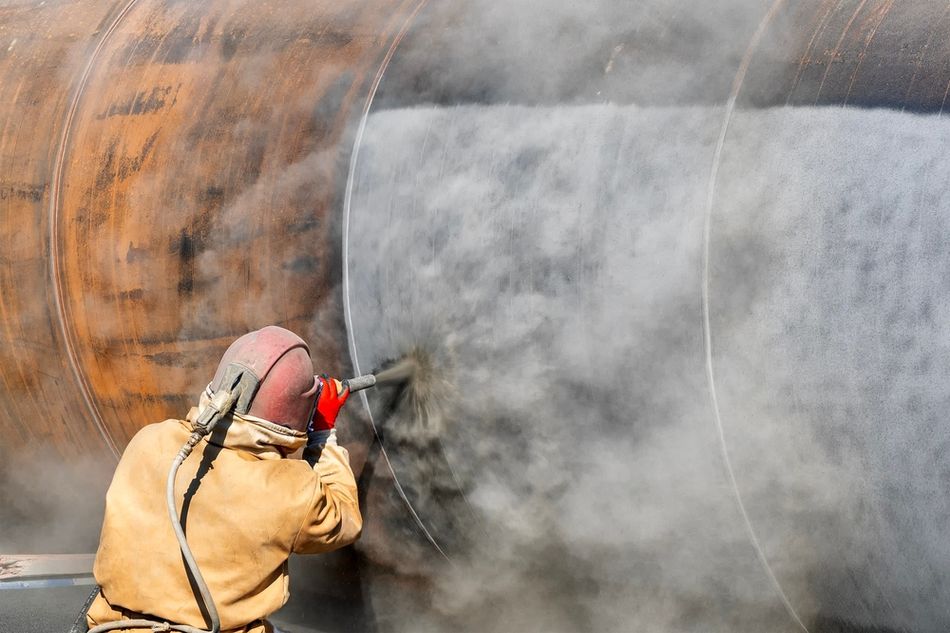
Although media blasting is highly effective, it poses several health and safety risks that must be carefully managed. The process generates airborne dust, noise, and high-velocity particles that can be hazardous to operators. Proper ventilation and dust collection systems are essential to prevent inhalation of fine particles, especially when using silica-based media, which can cause silicosis and other respiratory illnesses.[4]
Operators should always wear personal protective equipment (PPE) such as blast suits, gloves, eye protection, and respirators rated for the material being used. Automated blasting machines or enclosed blast cabinets can further reduce exposure.
Equipment safety is also critical: hoses, nozzles, and pressure vessels must be regularly inspected for wear or damage to avoid accidental ruptures. Safe handling and disposal of spent media, particularly when contaminated with coatings or hazardous residues, should comply with local environmental regulations.
By following these safety guidelines and maintaining proper operational practices, media blasting can be performed efficiently, sustainably, and without compromising worker health.
Conclusion
Media blasting remains one of the most effective and adaptable post-processing methods in modern manufacturing. Its ability to clean, refine, and prepare a wide range of materials—from metals and plastics to composites and ceramics—makes it indispensable across industries such as aerospace, automotive, maritime, and additive manufacturing. By carefully selecting the appropriate media type, pressure, and blasting parameters, manufacturers can achieve precise control over surface finish, enhancing both functional and aesthetic qualities of components. Beyond improving adhesion and corrosion resistance, media blasting also contributes to structural integrity through processes like peening and deburring.
However, the success of media blasting depends not only on process optimization but also on strict adherence to safety and environmental standards. Proper ventilation, PPE use, and responsible media disposal are critical to ensuring safe and sustainable operations. As manufacturing technologies continue to evolve—particularly in additive and precision production—media blasting will remain a cornerstone of surface finishing, bridging the gap between raw fabrication and high-performance, ready-for-use components. By understanding and applying its best practices, manufacturers can ensure consistent quality, extended component lifespan, and superior overall product performance.
Frequently Asked Questions (FAQs)
Q: What is the difference between sandblasting and media blasting?
A: While the terms are often used interchangeably, sandblasting specifically refers to the use of sand as the abrasive material, whereas media blasting is a broader term that encompasses a variety of abrasive materials such as glass beads, aluminum oxide, steel shot, or even organic materials like nut shells and corn cob grit. Modern industry favors the term “media blasting” since it includes safer and more environmentally friendly alternatives to traditional silica sand, which can pose health risks such as silicosis when inhaled.
Q: What is the difference between dry blasting and wet blasting?
A: The key distinction lies in whether water is used during the process. Dry blasting propels dry media using compressed air, offering strong cutting power and fast material removal. Wet blasting, on the other hand, mixes the abrasive with water to suppress dust and produce a smoother finish. Wet blasting is ideal for applications where surface contamination, dust control, or part preservation are critical—such as in the maritime, aerospace, or restoration industries.
Q: Can media blasting damage the material being processed?
A: Yes, if the wrong media type, pressure, or technique is used, blasting can damage or distort the substrate. For instance, using a hard, angular medium like aluminum oxide on a soft material such as aluminum or plastic can cause pitting or erosion. Proper selection of media and process parameters is essential to achieving the desired surface finish without harming the underlying material.
Q: How do I choose the right blasting media for my application?
A: Start by considering the material hardness of the workpiece, the desired finish, and the goal of the process (e.g., clean surfaces, smoothing, or peening). Softer, spherical media like glass beads are ideal for polishing and cleaning delicate parts, while harder, angular media such as aluminum oxide or garnet are used for aggressive surface removal. Reusability, environmental impact, and contamination risk should also factor into your choice.
Q: What safety equipment is required for abrasive blasting?
A: Media blasting requires proper personal protective equipment (PPE) including: Blast helmet or hood, respiratory protection (such as an air-fed respirator or NIOSH-approved mask), protective clothing, hearing protection, and eye protection. In addition to PPE, a well-ventilated workspace or dust collection system should be in place to minimize airborne contaminants. Operators should also regularly inspect hoses, nozzles, and pressure vessels to ensure the system is in safe working condition.
References
[1] Rudawska A. Mechanical surface treatment of adherends for adhesive bonding. Progress in Adhesion and Adhesives. 2023 Dec 29;7:113-69.
[2] Kılınç İ, Budakçı M, Korkmaz M. The Use of Environmentally Friendly Abrasive Blasting Media for Paint Removal from Wood Surfaces. BioResources. 2023 Jan 1;18(1).
[3] Protecting Workers from the Hazards of Abrasive Blasting Materials [PDF]. U.S. Department of Labor OSHA. September, 2014. https://www.osha.gov/sites/default/files/publications/OSHA3697.pdf
[4] Abrasive Blasting Hazards in Shipyard Employment [Internet]. U.S. Department of Labor OSHA. December, 2006. https://www.osha.gov/maritime/guidance/shipyard-guidance