Vapor Smoothing 3D Printed Parts
A comprehensive technical guide on vapor smoothing, covering process, materials, equipment, safety, and benefits for digital design and hardware engineers.

31 Oct, 2025. 12 minutes read
One of the defining traits of 3D printing as a manufacturing process is the ability to produce complex geometries that traditional methods can’t achieve. But despite the precision of modern 3D printers, the surface quality of printed parts can leave much to be desired.
In polymer 3D printing processes like Fused Deposition Modeling (FDM), Multi Jet Fusion (MJF), and Selective Laser Sintering (SLS), parts are created layer by layer, which can lead to visible stair-stepping, porous textures, and micro-roughness on the surface of parts. In FDM, molten filament solidifies into discrete layers with clear ridges. In MJF and SLS, unsintered powder grains cling to the surface, producing a slightly chalky or matte finish. These textural imperfections aren’t just aesthetic—they can significantly impact mechanical performance, sealing, biocompatibility, and post-processing adhesion.
In high-demand industries such as automotive, medical devices, consumer electronics, and aerospace, where smooth surfaces and consistent finishes are non-negotiable, these surface defects can make the difference between a prototype and a production-ready component. This is where vapor smoothing comes in.
Vapor smoothing has emerged as one of the most effective and scalable solutions to this challenge. Rather than mechanically removing material, vapor smoothing is a chemical post-processing technique designed to create smooth, glossy, and sealed surfaces on 3D printed parts by exposing them to solvent vapors. The result is a surface finish that rivals injection-molded plastic—smooth, glossy, and functionally sealed.
This article explores the fundamentals of vapor smoothing, the finishing technique’s material compatibility, step-by-step processing methods, safety considerations, and the performance advantages it brings to 3D printed parts.
What is Vapor Smoothing?
Vapor smoothing—sometimes referred to as chemical vapor polishing—is a post-processing technique that uses solvent vapors to slightly melt and reflow the outer surface of a 3D printed part. The process works on a microscopic level: instead of removing material (as with sanding), it softens the surface polymers just enough to allow surface tension to smooth out layer lines, rough textures, and minor imperfections.
In more scientific terms, vapor smoothing works due to the principle of solvent–polymer interaction. When a solvent compatible with the polymer is present in vapor form, it diffuses into the surface, reducing the glass transition temperature (Tg) of that layer. This allows the polymer chains to move freely for a short time, effectively reflowing surface imperfections. Once the solvent evaporates, the polymer re-solidifies with a smoother surface finish.
In the vapor smoothing process there are a few key steps:
Vapor Generation: Where the smoothing solvent is heated or vaporized inside a sealed chamber, creating a saturated atmosphere of solvent vapor.
Exposure: The 3D printed part is placed in the vapor chamber, where solvent molecules condense on the part’s surface. The solvent partially dissolves the outermost polymer layer, allowing it to flow and smooth under surface tension.
Re-solidification: After a controlled exposure period, the part is removed or the vapors are vented. As the solvent evaporates, the softened layer solidifies into a smoother, glossier, and more uniform surface.
Drying and Curing: The smoothed part is left to dry completely, ensuring that all solvent residues evaporate and the material fully hardens.
Recommended Reading: The Complete Guide to 3D Printing Post Processing
Chemical solvents used in vapor smoothing
There are a variety of solvents used in the vapor smoothing process and the choice of solvent depends entirely on the material being processed. Some commonly used vapor smoothing chemicals include:
Solvent Name | Commonly Used With | Health Hazards | Safety Precautions |
Acetone[1] | ABS, ASA, PC blends | Highly flammable; causes eye, skin, and respiratory irritation; prolonged exposure may cause dizziness or central nervous system effects. | Use in well-ventilated area or fume hood; avoid open flames; wear nitrile gloves, goggles, and respirator. |
Methyl Ethyl Ketone (MEK)[2] | ABS, PC | Highly lammable; irritant to eyes and skin; inhalation can cause headaches, nausea, and dizziness. | Use explosion-proof ventilation; wear chemical-resistant gloves and respirator; avoid sparks and heat sources. |
Ethyl Acetate[3] | PLA, some biopolymers | Flammable; vapors can irritate eyes, throat, and lungs; high concentrations may cause drowsiness. | Ensure strong ventilation; ground containers to prevent static discharge; use gloves and goggles. |
Tetrahydrofuran (THF)[4] | PLA | Extremely flammable; potential carcinogen; can cause eye, skin, and respiratory irritation; prolonged exposure affects liver and kidneys. | Industrial use only; use under fume extraction; wear chemical suit, gloves, and respirator. |
Proprietary Solvent Blends (e.g., AMT PostPro, DyeMansion Powerfuse) | PA11, PA12, TPU, PP (SLS/MJF) | Varies by manufacturer; generally formulated to reduce toxicity and flammability; still may cause irritation on prolonged exposure. | Follow manufacturer’s safety data sheets; operate only in certified vapor smoothing systems with ventilation. |
Compatible Materials for Vapor Smoothing
Due to the chemical nature of vapor smoothing, not all 3D printing materials can be vapor smoothed effectively. In short, compatibility depends on how the type of polymer interacts with the vaporized solvent: if the solvent is too weak, the surface remains rough; is it is too aggressive, the part can deform or lose detail.
Below are some of the most common 3D printing materials compatible with vapor smoothing:
Material | 3D Printing Process | Typical Solvent(s) | Notes |
ABS (Acrylonitrile Butadiene Styrene) | FDM | Acetone, MEK | Produces a high-gloss, sealed finish. Excellent for cosmetic parts and enclosures. |
ASA (Acrylonitrile Styrene Acrylate) | FDM | Acetone, MEK | Similar to ABS but with superior UV resistance. |
PLA (Polylactic Acid) | FDM | Ethyl acetate, THF | Can be smoothed, but process must be carefully controlled to prevent warping or over-melting. |
PA11 / PA12 (Nylon) | SLS, MJF | Proprietary solvents (e.g., AMT PostPro, DyeMansion systems) | Industrial vapor smoothing seals porous nylon, improving mechanical strength and water resistance. |
TPU (Thermoplastic Polyurethane) | SLS, MJF | Proprietary solvents | Produces sealed, flexible surfaces. Reduces porosity and bacterial retention—ideal for wearables and medical use. |
These materials share a key property: solvent sensitivity at the surface level. When exposed to vapor, their polymer chains temporarily loosen, allowing the surface to flow and re-solidify into a smoother form. The process parameters—exposure time, temperature, vapor concentration—must be tuned to each material’s behavior to ensure a uniform, high-quality finish.
Of course, there are also materials that are difficult to smoothen using vapor smoothing, including:
PETG: Though a common filament used in FDM, PETG presents challenges when vapor smoothing. Some blends of the material will work with ethyl acetate, however PETG can generally only be smoothed using volatile and hazardous solvents like Dichloromethane, MEK, and toluene.
PEEK and PEI: Due to their high-performance properties and chemical resistance, vapor smoothing is not practical for these thermoplastics.
Filled composites: Reinforcing fibers can interfere with the smoothing process and thus vapor smoothing is not recommended.
Recommended reading: ABS Smoothing: Acetone Vapor Baths & Other Ways to Remove Layer Lines
How to Vapor Smooth 3D Printed Parts
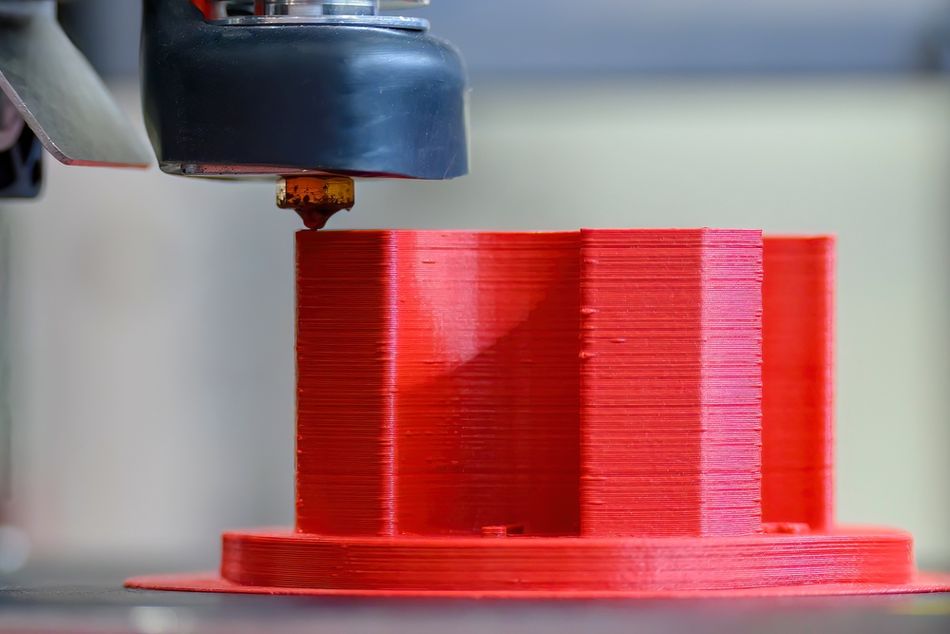
Vapor smoothing can be done in two general ways: using a DIY setup or using an industrial vapor smoothing system. The choice depends on the desired finish quality, production scale, and safety requirements.
Using a DIY System
DIY vapor smoothing is most commonly done with acetone and ABS, since the two are chemically compatible and acetone is a relatively accessible solvent. Although it’s a simple concept, the process requires care and attention to detail to avoid uneven finishes or safety risks.
Before beginning, ensure that the workspace is well-ventilated and far from open flames or electrical sparks, since even acetone solvent vapors are highly flammable. Working near a window or under a fume hood is ideal. Prepare all materials beforehand so that once vapors start forming, there’s no need to interrupt the process.
For DIY vapor smoothing, you’ll need:
A sealed glass or metal container large enough to fit your part (e.g., a glass jar, paint can, or pressure cooker body).
A small quantity of solvent, such as acetone or ethyl acetate, depending on the material.
A metal mesh, wire rack, or hanging rig to hold the part above the solvent surface.
Protective gear: chemical gloves, eye protection, and a respirator.
Step-by-Step Guide
Prepare the Part: Clean the print thoroughly to remove dust, oils, or loose material. Contaminants can cause uneven smoothing or discoloration once solvent vapors condense on the surface.
Position the Part in the Chamber: Place the part inside the container on the mesh or stand so that it’s not touching the solvent directly. The goal is to expose it only to vapors, not liquid contact.
Generate the Vapors: Add a small amount of solvent (typically 10–20 ml for a small container) to the bottom of the chamber. You can gently warm the solvent container with a water bath or use ambient heat to accelerate vapor formation—never use an open flame.
Control the Exposure Time: Close the lid and let the solvent vapors act on the part for 5–15 minutes, depending on the solvent strength, temperature, and material. Monitor progress visually if the chamber is transparent; the surface should appear slightly glossy as smoothing occurs.
Remove and Dry the Part: Once the surface appears evenly smoothed, remove the part carefully using tongs or gloves. Place it in a well-ventilated area to air dry for several hours. During this time, the solvent evaporates fully, and the polymer surface hardens again.
Inspect and Finish: Examine the part for any distortions or uneven spots. If needed, lightly sand imperfections or apply a secondary short exposure for finer polishing.
While the DIY method is popular among makers and small workshops, it does have several limitations. Exposure can be inconsistent due to uncontrolled vapor distribution, and the lack of temperature regulation may lead to over-smoothing or warping on thin-walled parts. Moreover, the health and fire hazards of working with volatile solvents in open environments cannot be understated. For larger production runs or sensitive geometries, a closed, automated system is strongly recommended.
Using an Industrial System
Industrial vapor smoothing systems take the same chemical principle and elevate it into a precisely controlled, automated process. These machines are designed for repeatability, throughput, and regulatory compliance, making them suitable for end-use manufacturing in sectors such as aerospace, healthcare, automotive, and consumer products.
Modern systems—like AMT PostPro[5] or DyeMansion Powerfuse S[6]—enclose parts in a sealed chamber where vapor concentration, pressure, temperature, and exposure time are tightly managed through software. The system creates a uniform solvent atmosphere that reaches every surface equally, ensuring consistent results even on complex or internal geometries.
A typical industrial vapor smoothing cycle includes the following stages:
Loading the Parts: Multiple parts are placed on racks or trays inside the chamber. The system can process dozens or even hundreds of components simultaneously, depending on size and complexity.
Chamber Conditioning: The chamber is sealed and purged of air, often replaced with an inert gas to prevent combustion. The solvent is then vaporized under controlled conditions.
Smoothing Cycle: The vapor interacts with the part surfaces for a pre-programmed duration—typically 10 to 40 minutes. During this phase, surface polymers partially reflow, smoothing layer lines and sealing porosity. Sensors and feedback systems maintain the optimal vapor concentration throughout the cycle.
Solvent Recovery and Neutralization: After smoothing, some systems can actively recover and condense the solvent vapors for reuse, minimizing emissions and chemical waste. This closed-loop operation is both cost-efficient and environmentally responsible.
Drying and Cooling: Once vapor exposure ends, the chamber switches to a drying cycle that removes residual solvent. Parts exit the system clean, dry, and ready for use or further finishing.
The controlled environment of an industrial vapor smoother ensures dimensional stability, uniform gloss, and consistent mechanical performance. Unlike DIY methods, there’s minimal risk of overexposure or solvent pooling, and the process is fully compliant with workplace safety and emission regulations.
Moreover, many systems are compatible with multiple materials—nylon (PA11, PA12), TPU, PP, ABS, and others—by using proprietary solvent blends tailored to each polymer’s chemistry. The result is a production-grade surface finish that transforms printed parts into functional, customer-ready components.
Safety Precautions When Vapor Smoothing
Vapor smoothing involves volatile and often flammable solvents, so safety must be treated as a core part of the process. The main risks include fume inhalation, fire hazards, and skin or eye irritation. Work should always be carried out in a well-ventilated area or fume hood to prevent vapor buildup, as inhaling solvent fumes like acetone or MEK can cause dizziness, headaches, or respiratory irritation.
Because many solvents ignite easily, open flames, sparks, and heat sources must be kept well away from the workspace. All containers should be sealed, clearly labeled, and grounded to avoid static discharge. When possible, use ATEX-rated equipment or enclosed systems that minimize vapor release.
Operators should wear appropriate personal protective equipment (PPE): chemical-resistant gloves, safety goggles, and a respirator fitted with organic vapor cartridges. Solvents can quickly absorb through skin or irritate eyes, so direct contact must be avoided. Finished parts should dry in a ventilated area until fully cured, and all used solvents or cleaning materials must be disposed of through approved hazardous-waste channels, never poured down drains.
A Class B fire extinguisher should always be within reach, and anyone performing vapor smoothing should be familiar with basic chemical safety and emergency procedures. With careful handling, good ventilation, and proper PPE, vapor smoothing can be performed safely—whether in a small workshop or an industrial environment.
Benefits of Vapor Smoothing 3D Printed Parts
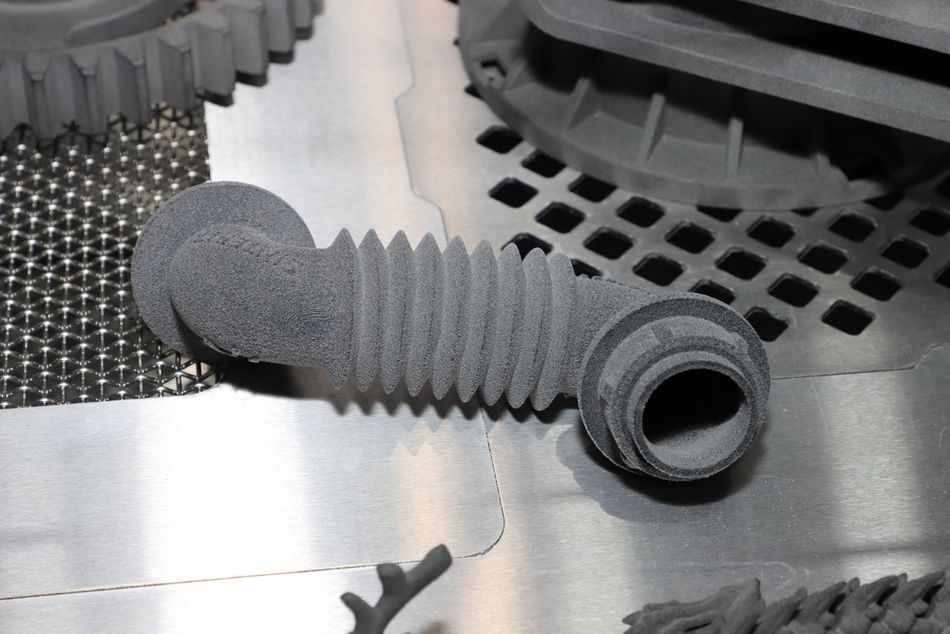
Vapor smoothing offers a wide range of functional and aesthetic benefits, making it one of the most valuable post-processing techniques in additive manufacturing. Below are some of the key benefits of using vapor smoothing as a finishing technique for 3D prints:
Improved Surface Finish: The primary advantage is the elimination of visible layer lines. Surfaces become glossy and uniform, giving parts a professional, injection-molded appearance.
Enhanced Mechanical Properties: By sealing microvoids and surface defects, vapor smoothing can reduce stress concentrations and improve fatigue resistance. Smoothed parts also exhibit greater impact strength in many cases.
Better Chemical and Water Resistance: Vapor smoothing creates a non-porous outer layer, making parts more resistant to moisture absorption and chemical attack. This is especially beneficial for SLS and MJF nylon parts used in humid or liquid-contact environments.
Easier Cleaning and Sterilization: Smooth, sealed surfaces prevent dirt, bacteria, or liquids from penetrating the material—an essential feature for medical, dental, and food-contact applications.
Enhanced Aesthetic Quality: Vapor-smoothed parts look glossy and refined, often requiring no further finishing or painting. This makes them ideal for consumer products, enclosures, and display models.
Improved Coating and Painting Adhesion: After vapor smoothing, parts can be easily painted, metalized, or coated, thanks to the even surface and reduced porosity.
Dimensional Accuracy and Integrity: Unlike abrasive finishing, vapor smoothing does not remove material. Properly controlled processes preserve fine details, text, and tolerances.
Scalability for Production: Industrial vapor smoothing systems can process hundreds of parts simultaneously, making it a viable mass-finishing solution for additive manufacturing at production scale.
Conclusion
As additive manufacturing continues to move from prototyping to full-scale production, post-processing becomes a crucial step in achieving end-use part quality. Vapor smoothing stands out as one of the most effective, scalable, and versatile finishing techniques for thermoplastic 3D printed parts.
By selectively reflowing the surface layer, vapor smoothing eliminates layer lines, seals porosity, enhances strength, and provides a professional-grade finish suitable for demanding applications. Whether performed through a simple DIY setup for hobby projects or an industrial vapor smoothing system for production runs, the process transforms rough 3D printed components into high-performance, visually appealing products.
When handled safely and correctly, vapor smoothing bridges the gap between additive and traditional manufacturing, making 3D printed parts ready for real-world use.
Frequently Asked Questions (FAQs)
Q: What is vapor smoothing in 3D printing?
A: Vapor smoothing is a post-processing technique that uses solvent vapors to partially dissolve and reflow the outer surface of a 3D printed part. This process removes visible layer lines and produces a glossy, sealed finish without altering the part’s geometry. It’s commonly used with FDM, SLS, and MJF printed components.
Q: Which 3D printing materials can be vapor smoothed?
A: Vapor smoothing works best with thermoplastics that react to solvents, such as ABS, ASA, PLA, PA12 (nylon), TPU, and some PC blends. It is not effective for PETG, PEEK, PEI, or fiber-filled composites, as these materials resist solvent softening.
Q: What solvents are used in vapor smoothing?
A: Common solvents include acetone (for ABS and ASA), methyl ethyl ketone (MEK), ethyl acetate (for PLA), and proprietary solvent blends for industrial use with nylon or TPU. Each solvent is chosen for its compatibility with the polymer and its ability to reflow the surface without degrading mechanical properties.
Q:Does acetone work for vapor smoothing PLA?
A: No—acetone does not effectively smooth PLA. Attempting to smooth PLA with acetone typically results in no visible change or, in some cases, surface whitening. Instead, ethyl acetate or THF (tetrahydrofuran) can be used for PLA, though these solvents require precise control and proper ventilation because of their higher toxicity and volatility.
Q: How does the vapor smoothing process work?
A: The part is placed in a sealed chamber where solvent vapors condense on its surface, softening the topmost polymer layer. Surface tension causes the softened material to flow, smoothing out roughness and sealing pores. After exposure, the solvent evaporates, and the surface hardens into a smooth, glossy finish.
Q: Can vapor smoothing be done at home?
A: Yes, but it requires caution. Hobbyists often use simple setups involving acetone and ABS parts. However, solvent vapors are flammable and toxic, so DIY vapor smoothing should only be done in a well-ventilated area with proper protective equipment. Industrial systems are much safer and more consistent for professional use.
Q: What safety precautions should be taken when vapor smoothing?
A: Always wear chemical-resistant gloves, goggles, and a respirator, and ensure strong ventilation or fume extraction. Keep open flames and sparks far from solvents, as most are highly flammable. Dispose of used solvents responsibly through hazardous waste collection, and store chemicals in sealed, labeled containers.
Q: What are the main benefits of vapor smoothing 3D printed parts?
A: Vapor smoothing improves surface aesthetics, mechanical performance, and chemical resistance. It seals pores, enhances water resistance, and creates a surface that’s easier to clean or sterilize. The process also improves coating adhesion and gives parts an injection-molded appearance suitable for end-use applications.
Q: How does vapor smoothing compare to other finishing methods?
A: Unlike sanding, vapor smoothing doesn’t remove material. It delivers a smoother, sealed surface with consistent results, especially on complex geometries.
References
[1] Acetone [Internet]. Chemical Safety Facts, October 14, 2022. Available from: https://www.chemicalsafetyfacts.org/acetone/
[2] Clifton, Jessica. What are the uses of Methyl ethyl ketone? [Internet]. ReAgent, July 3, 2019. Available from: https://www.chemicals.co.uk/blog/what-are-the-uses-of-methyl-ethyl-ketone
[3] What is Ethyl Acetate? [Internet]. Solventis. Available from: https://www.solventis.net/products/esters/ethyl-acetate/
[4] What is Tetrahydrofuran? [Internet]. Solventis. Available from: https://www.solventis.net/products/others/tetrahydrofuran/
[5] PostPro Vapor Smoothing Systems [Internet]. AMT Technologies, 2025. https://amtechnologies.com/products/vapor-smoothing/
[6] PowerFuse S Series [Internet]. DyeMansion, 2025. https://dyemansion.com/products/powerfuse-s/