The Anodizing Process Explained
This article examines the anodizing process, an electrochemical surface treatment that makes metals like aluminium and titanium more durable and corrosion resistant.

22 Dec, 2025. 9 minutes read
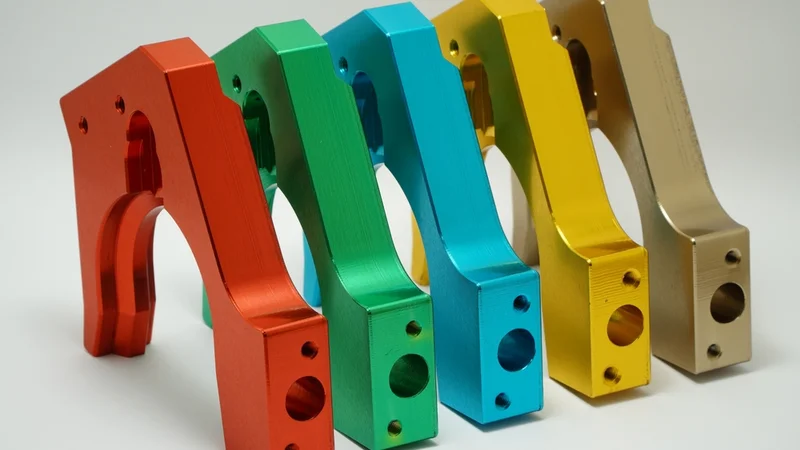
Anodizing is ubiquitous in modern manufacturing. Apple Macbook and iPhone housings, aerospace fasteners, heat-sink fins, and biomedical implants all rely on anodized surfaces to improve durability and appearance. For digital design engineers and hardware designers, understanding how anodizing works—and how it interacts with component design—is essential.
Unlike simple coatings, anodizing fundamentally alters the metal surface by growing an oxide layer through electrochemical conversion. This process enhances corrosion resistance, hardness, and wear resistance, but it also introduces design considerations such as dimensional change and color limitations.
The following sections cover the A to Z(ing) of the anodizing process, discussing practical parameters and equipment, material selection, and important applications.
Fundamentals of the Anodizing Process

Metals such as aluminum, titanium, and magnesium naturally form thin oxide films when exposed to air.[1][2] In aluminum, this native aluminum oxide layer is only a few nanometers thick. While it offers limited corrosion protection, it is mechanically weak and provides little abrasion resistance.
Anodizing deliberately thickens this oxide coating using an electrochemical process. The workpiece—typically anodized aluminum components—acts as the anode in an electrolytic bath, while an inert cathode completes the circuit. When electrical current is applied, aluminum atoms at the surface oxidize and react with oxygen in the electrolyte to form a controlled, durable aluminum oxide layer.
Oxide growth occurs in balance with dissolution. As the coating forms, the acidic electrolyte slowly dissolves it at the same time. Early in the process, a dense barrier layer develops. With continued exposure to electrical current, localized dissolution creates pores, producing the characteristic porous oxide coating found on anodized aluminum parts.
This pore structure plays a critical role in performance. Pore size and distribution affect dye absorption, adhesive bonding, and electrical insulation. In applications such as electronic housings or structural enclosures, these properties influence both function and appearance. For demanding environments, hard coat anodizing produces thicker, denser aluminum oxide layers with significantly improved abrasion resistance.
Anodizing Compared With Other Surface Finishes
Anodizing differs fundamentally from surface finishes such as electroplating or powder coating. Electroplating adds a separate metal layer on top of the substrate, while powder coating applies an organic polymer film.[3][4] In contrast, anodizing converts the surface of the aluminum itself into aluminum oxide.
Because the oxide layer grows partly into the base metal and partly outward, anodizing causes relatively small dimensional changes compared with many coating processes. The resulting oxide coating is tightly bonded to the substrate and resists chipping or peeling. However, aluminum oxide is electrically insulating, so designers must account for this when electrical continuity or grounding is required on aluminum parts.
Electrochemical Control: Current Density and Voltage
Current density is the primary control parameter in anodizing. As the aluminum oxide layer thickens, electrical resistance increases, reducing current at a fixed voltage. To maintain consistent oxide growth, modern systems regulate current directly or use pulsed electrical current.
Pulse anodizing alternates between higher and lower current levels, improving control over oxide structure and limiting heat buildup. For engineers designing complex aluminum parts, understanding how electrical current distribution affects oxide thickness is essential to achieving uniform finishes, especially on sharp edges, internal features, and parts requiring hard coat performance.
Materials Suitable for Anodizing
Not all metals can be anodized effectively. The table below summarizes the suitability of common materials, along with their key properties and typical reasons for anodizing.
Aluminum is by far the most widely anodized metal because its oxide layer is naturally protective and porous, which allows it to absorb dyes and sealants. Titanium and magnesium also form stable oxide layers that can be colored, while zinc and tantalum are anodized primarily to improve corrosion resistance. Niobium is anodized mainly for decorative color effects. Copper, iron, and most plastics are generally unsuitable, as their oxides are unstable, nonadherent, or prone to flaking.
Metal | Key Properties | Why Anodize |
Aluminum | Lightweight; naturally forms a thin oxide; good electrical conductivity | Produces thick, porous oxide layers for corrosion resistance and color customization; widely used in electronics housings, automotive, and aerospace components. |
Titanium | High strength; excellent corrosion resistance; biocompatible | Improves surface durability and enables controlled color formation for medical implants and aerospace parts. |
Magnesium | Very low density; moderate strength; highly corrosion-prone | Hard-coat anodizing increases corrosion resistance and wear performance; used in drones, bicycles, and battery housings. |
Zinc | Soft metal; good inherent corrosion resistance | Adds wear resistance for fasteners and fittings exposed to harsh industrial environments. |
Tantalum | Exceptional corrosion resistance; biocompatible | Applied in medical devices and electronic components where chemical stability is critical. |
Niobium | Corrosion-resistant; exhibits voltage-dependent color changes | Primarily anodized for decorative finishes, including jewelry and specialty components. |
Types of Anodizing
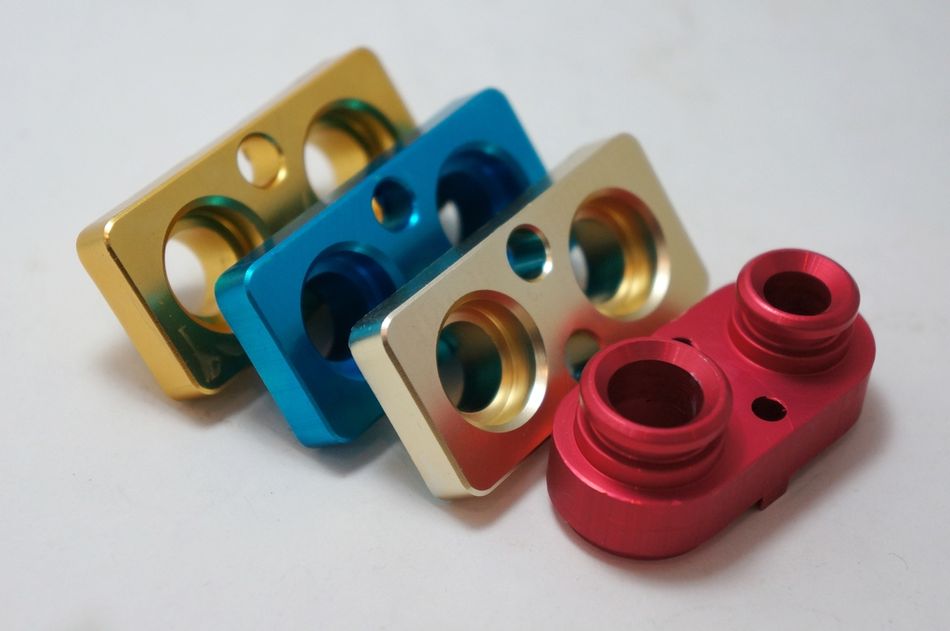
MIL-PRF-8625, formerly MIL-A-8625, is a widely used U.S. military specification that standardizes anodizing processes for aluminum and aluminum alloys. It defines process controls, coating types, thickness ranges, sealing requirements, and quality criteria to ensure consistent, repeatable performance across suppliers.
The MIL-PRF-8625 specification defines three primary anodizing processes, each producing oxide layers with different thicknesses and performance characteristics.[5] The table below summarizes Type I (chromic acid), Type II (sulfuric acid), and Type III (hard) anodizing. Designers select the appropriate type based on required coating thickness, color options, and functional performance.
Anodizing Type | Electrolyte / Process | Typical Thickness (µm) | Abrasion & Wear Resistance | Corrosion Resistance | Color Capability | Electrical Properties | Typical Applications | Design Notes |
Type I A | Chromic acid anodizing (conventional) | 0.5–7.6 | Low | High | Limited (natural gray) | Electrically insulating | Aerospace structures, bonded assemblies | Minimal dimensional change; good for tight tolerances and fatigue-sensitive parts |
Type I B | Low-voltage chromic acid anodizing (~20 V) | 0.5–7.6 | Low | High | Limited | Electrically insulating | 7xxx-series aluminum aerospace components | Reduced risk of intergranular attack; often specified for high-strength alloys |
Type II | Sulfuric acid anodizing | 1.8–25.4 | Medium | High | Excellent (wide dye range) | Electrically insulating | Electronics housings, consumer products, automotive parts | Porous structure allows dyeing and sealing; moderate dimensional growth |
Type III | Hard coat anodizing (sulfuric, low temperature, high current) | 12.7–115 | Very high | Very high | Limited (dark gray/black) | Electrically insulating | Wear surfaces, hydraulic components, sliding mechanisms | Significant dimensional growth; high hardness but more brittle oxide |
Type III (PTFE-sealed) | Hard coat with PTFE or polymer sealing | 25–75 (typical) | High with reduced friction | Very high | Limited | Electrically insulating | Pistons, valves, bearing surfaces | Lower friction coefficient; slightly reduced hardness vs unsealed hard coat |
Advanced Anodizing Techniques
Advanced anodizing techniques can improve control and coating quality. Pulse anodizing uses modulated current or voltage instead of constant direct current, helping manage rising electrical resistance as the oxide grows. This reduces heat buildup and supports denser barrier layers, particularly on complex geometries and difficult alloys. Related approaches include pulse-reverse anodizing, which briefly reverses current to limit edge burning, and ramped-voltage anodizing, where voltage is increased gradually to stabilize early oxide formation.
Environmental and process innovations are also reshaping anodizing. Citric–sulfuric acid and other organic or mixed-acid electrolytes reduce reliance on chromic and concentrated sulfuric acids while maintaining hard-coat performance. At the same time, modern anodizing lines increasingly rely on real-time monitoring and automation to control temperature, current, voltage, and electrolyte composition.
Recommended reading: The Comprehensive Guide to Surface Finish Techniques, Standards and Applications
Process Parameters and Practical Implementation
The performance of an anodized finish depends on a small set of interdependent process variables. Careful control of these factors allows engineers to tailor the structure and properties of the anodic oxide formed on the aluminum surface, balancing durability, appearance, and functional performance.
Time, Voltage, and Current Density
Three electrical parameters affect oxide growth:
Time, which sets overall coating thickness and porosity
Voltage, which controls the rate of oxide formation and dissolution
Current density, which governs growth rate and final hardness
Higher current densities and voltages promote thicker, harder coatings but increase heat generation. Decorative sulfuric anodizing typically operates near room temperature, while hard anodizing combines high current density with low bath temperatures to limit oxide dissolution.
Electrolyte Composition
The electrolyte determines oxide morphology and chemical stability. Sulfuric acid is widely used because it produces moderately thick, porous coatings that accept dyes well. Chromic acid forms thinner, denser anodic oxide layers with excellent fatigue performance but limited color options. Organic and mixed-acid systems are increasingly adopted to reduce environmental impact while maintaining high-quality coatings. During anodizing, aluminum atoms at the surface react with oxygen ions from the electrolyte, forming aluminum oxide through electrochemical conversion rather than deposition.
Temperature Control
Bath temperature strongly affects the balance between oxide formation and dissolution:
Lower temperatures slow chemical attack on the anodic oxide, enabling thicker and harder coatings
Higher temperatures favor thinner, smoother films but reduce abrasion resistance
Stable temperature control is especially critical in high-current processes, where localized heating can damage the coating.
Surface Preparation and Pretreatment
Surface preparation has a major influence on coating uniformity and appearance. Oils, residues, and surface impuritiesinterfere with oxide growth and can produce visible defects. Cleaning, etching, and rinsing steps ensure that the aluminum surface is chemically uniform before anodizing begins. Even a well-controlled anodizing process cannot compensate for poor pretreatment.
Anodizing Bath Setup
A production anodizing line is built around the anodizing tank, which must support both chemical and electrical requirements:
Acid-resistant tanks and piping
Conductive racks or fixtures to ensure reliable electrical contact
Cathodes positioned to promote uniform current distribution
Filtration and agitation to control heat and remove impurities
Proper bath design is essential for consistent oxide thickness across complex geometries.
Part Design Considerations for Anodizing
Design choices directly affect anodizing results. Because the anodic oxide grows both into and outward from the aluminum surface, dimensional change must be considered on tight-tolerance features, threads, and mating surfaces. Masking is often required where electrical continuity or grounding must be preserved.
Geometry also influences coating uniformity:
Sharp edges concentrate current and can thicken the oxide locally
Thin sections heat more quickly and are prone to defects
Smooth transitions and generous radii promote even oxide growth
Material selection matters as well. Different aluminum alloys respond differently to anodizing, affecting color consistency, hardness, and corrosion performance. Coordinating alloy choice, geometry, and process parameters early in the design phase helps ensure reliable, high-quality anodized components.
Safety Considerations
Anodizing involves chemical, electrical, and thermal hazards that require basic controls. Acidic electrolytes and metal salts demand proper ventilation, corrosion-resistant equipment, and appropriate personal protective equipment.
Because the process uses electrical current in wet environments, tanks and power supplies must be well grounded and routinely inspected. Hydrogen gas and acid mist should be managed through exhaust systems, and waste solutions must be treated and disposed of in accordance with environmental regulations.
Benefits and Limitations
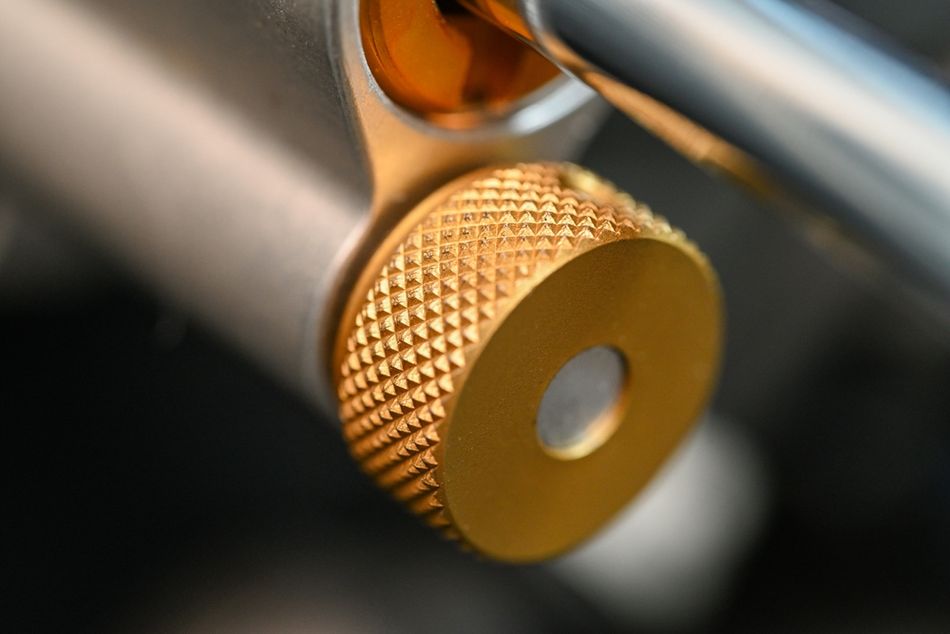
Anodizing is widely used because it enhances the surface performance of aluminum without adding a separate coating layer. By converting the metal surface into a controlled oxide, it improves durability, electrical behavior, and appearance. These benefits come with material, design, and performance trade-offs that should be considered early in the design process.
Performance Advantages
Anodizing provides several functional benefits compared with bare aluminum and many alternative surface treatments.
Corrosion resistance: The anodic oxide layer forms a dense, chemically stable barrier that resists moisture and many corrosive environments. In humid conditions, the oxide can continue to grow slightly, further improving protection.
Wear resistance and hardness: Hard anodized surfaces exhibit high hardness and strong abrasion resistance. When combined with dry lubricants or polymer sealants, they can also reduce friction in sliding or contact applications.
Electrical insulation: Anodized surfaces are electrically insulating, making them useful for dielectric isolation in electronic and electrical assemblies. Coating thickness can be adjusted to influence dielectric strength.
Aesthetic flexibility: Sulfuric acid anodizing supports dyeing and electrolytic coloring, enabling a wide range of durable, high-quality finishes commonly used in consumer electronics and architectural components.
Adhesion enhancement: The porous oxide structure provides an excellent base for paints, adhesives, and secondary coatings. Certain anodizing processes significantly improve bond strength in structural aluminum joints.
Limitations and Challenges
Despite its advantages, anodizing introduces several constraints that limit its applicability.
Material restrictions: Anodizing is primarily limited to aluminum and a small number of other valve metals. Copper, iron, and most steels form unstable oxides, while plastics require entirely different surface treatments.
Surface transparency: Anodizing does not conceal surface defects. Scratches, machining marks, and dents remain visible and may become more pronounced after processing.
Color limitations: Chromic acid and hard anodizing produce a narrow color range, typically from light gray to dark gray or black.
Brittleness and cracking: Thick anodic layers are ceramic in nature and relatively brittle. Thermal cycling or mechanical stress can lead to micro-cracking, particularly in hard coatings.
Dimensional change: Anodic films grow both into and outward from the metal surface, altering part dimensions. This must be accounted for on precision features, threads, and mating surfaces.
Reduced toughness: Hard anodized layers have low ductility and may crack under impact or flexural loading.
Sealing trade-offs: Sealing improves corrosion resistance but reduces hardness and wear performance. For applications where maximum abrasion resistance is critical, unsealed hard anodizing may be preferred.
Applications of Anodizing
Industry | Typical Applications | Common Materials | Typical Anodizing Types |
Consumer Electronics | Laptop housings, smartphone frames, wearables | Aluminum 6061, 6063 | Type II (dyed), occasionally Type III |
Aerospace | Structural components, fasteners, brackets, housings | Aluminum 2024, 6061, 7075 | Type I (chromic), Type I B, Type II |
Automotive | Trim parts, heat sinks, suspension components | Aluminum 6061, 6082 | Type II, Type III (wear parts) |
Medical Devices | Surgical tools, implants, instrument housings | Aluminum alloys, titanium | Type II (aluminum), titanium anodizing |
Industrial Machinery | Wear plates, pistons, hydraulic components | Aluminum 6061, 7075 | Type III (hard coat) |
Energy & Power | Heat exchangers, inverter housings, enclosures | Aluminum 6061, 6063 | Type II, Type III |
Architecture & Construction | Panels, railings, window frames | Aluminum 6063, 5005 | Type II (architectural anodizing) |
Defense | Weapon components, ruggedized enclosures | Aluminum 7075, 6061 | Type I, Type III |
Sporting Goods | Bicycle frames, climbing hardware, camera gear | Aluminum 6061, 7005 | Type II, Type III |
Jewelry & Decorative | Jewelry, consumer accessories | Aluminum, niobium, titanium | Type II (dyed), decorative anodizing |
Recommended reading: Aerospace CNC Machining: How Precision Manufacturing Powers Modern Flight
Conclusion and Future Outlook
Anodizing remains a core metal finishing process because it creates a durable, functional surface layer rather than adding a separate coating. The resulting protective coating improves corrosion resistance, wear performance, electrical insulation, and appearance, extending part lifespan in demanding environments. For engineers, understanding how electrolyte chemistry, electrical input, and post-treatment affect the oxide enables more precise specifications for parts produced by CNC machining and other processes.
Looking ahead, anodizing continues to evolve. Demand from the aerospace industry, electric vehicles, and medical devices is accelerating adoption of greener acid solution chemistries, reduced-chromate processes, pulse-modulated current, and automated monitoring. Research is also focused on controlling pore geometry for functional coatings, reducing hazardous by-products, and integrating anodizing more tightly with digital manufacturing workflows. Selecting capable anodizing services and addressing finishing requirements early in design will remain critical as sustainability and performance expectations rise.
Frequently Asked Questions (FAQs)
What is the anodizing process?
Anodizing is an electrochemical treatment that converts a metal surface—most often aluminum—into a controlled oxide layer using an acid solution and electrical current. The oxide forms a dense barrier with a porous outer structure that improves durability and appearance.
How does anodizing differ from electroplating?
Electroplating adds a new metal layer. Anodizing transforms the existing surface into oxide, creating a coating that is integral to the base metal and less prone to peeling.
Which metals can be anodized?
Aluminum is the most common. Titanium, magnesium, zinc, tantalum, and niobium can also be anodized. Ferrous metals and copper are generally unsuitable because their oxides are unstable.
Does anodizing affect electrical conductivity?
Yes. The oxide layer is electrically insulating. Areas requiring conductivity must be masked or post-processed. Conversion coatings may be used where grounding is required.
How do you choose between Type I, Type II, and Type III anodizing?
Type I is thin and fatigue-friendly, often used in aerospace. Type II anodizing offers moderate thickness, dyeing capability, and finishes ranging from satin to matte finish. Type III produces thick, hard coatings for wear resistance.
What post-processing is required after anodizing?
Parts are typically sealed to close pores and improve corrosion resistance. Rinsing with deionized water removes residues, while steps such as dyeing, machining, or painting may follow.
How are parts prepared before anodizing?
Preparation includes cleaning to remove oils and contaminants, alkaline etching, and desmutting to eliminate alloy residues. Fixtures—often aluminum or stainless steel—ensure good electrical contact.
How can consistent finishes be achieved on complex parts?
Uniform current distribution, agitation, temperature control, and proper fixturing are essential. Automated systems can adjust parameters in real time to maintain consistent oxide growth.
Is anodizing environmentally challenging?
Traditional processes can generate hazardous by-products, but newer electrolytes and closed-loop systems significantly reduce waste and chemical exposure.
References
[1] Wu QH, Fortunelli A, Granozzi G. Preparation, characterisation and structure of Ti and Al ultrathin oxide films on metals. International Reviews in Physical Chemistry. 2009 Oct 1;28(4):517-76.
[2] Shih TS, Liu JB, Wei PS. Oxide films on magnesium and magnesium alloys. Materials Chemistry and Physics. 2007 Aug 15;104(2-3):497-504.
[3] Kanani N. Electroplating: basic principles, processes and practice. Elsevier; 2004 Nov 23.
[4] Noordover BA, Heise A, Malanowksi P, Senatore D, Mak M, Molhoek L, Duchateau R, Koning CE, van Benthem RA. Biobased step-growth polymers in powder coating applications. Progress in Organic Coatings. 2009 Jun 1;65(2):187-96.
[5] Aluminum Anodizers Council. Anodizing Reference Guide [Internet]. Aluminum Anodizers Council; [cited 2025 Dec 17].