Featured
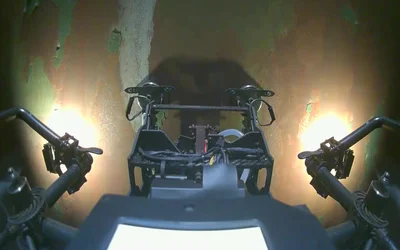
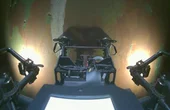
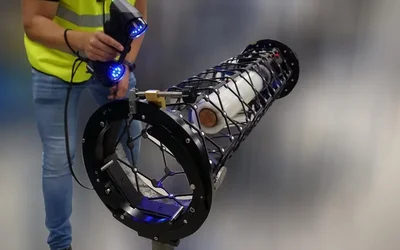
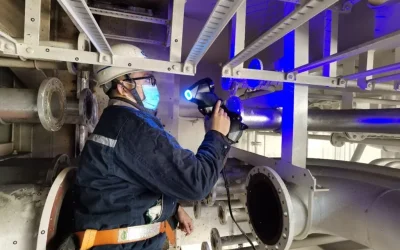
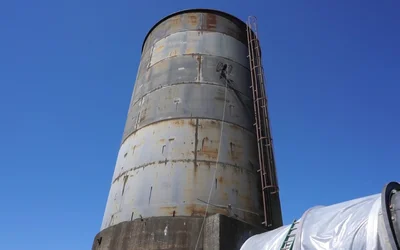
The inspection of confined spaces within the Non-Destructive Testing (NDT) industry presents numerous challenges, ranging from safety concerns to the substantial costs and extended downtime associated with traditional inspection methods.
The inspection of confined spaces within the Non-Destructive Testing (NDT) industry presents numerous challenges, ranging from safety concerns to the substantial costs and extended downtime associated with traditional inspection methods.
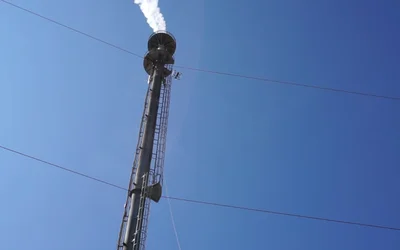
Refineries, with their challenging conditions, rely on Non-Destructive Testing (NDT) inspections to ensure safety and reliability.
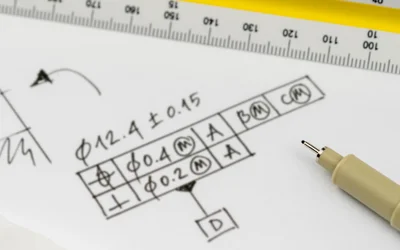
This guide covers the true position formula, how to read the feature control frame, and how MMC and LMC generate bonus tolerance.
10 minutes read.
14 minutes read.
13 minutes read.
12 minutes read.
9 minutes read.

Robotics and Drones
We empower R&D by providing the computational power, ROS packages, payloads...
14 Posts

Drone Fleet Management Software
Cloud Ground Control is a cloud based command and control solution for oper...
7 Posts
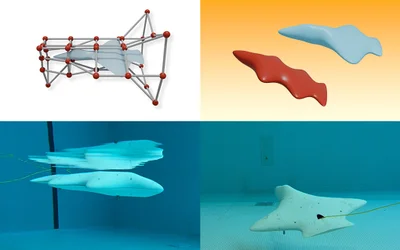
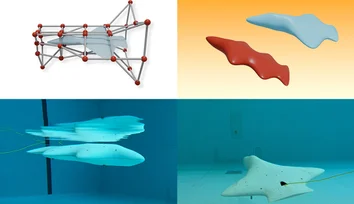
An AI pipeline developed by CSAIL researchers enables unique hydrodynamic designs for bodyboard-sized vehicles that glide underwater and could help scientists gather marine data.
A spherical prototype with "nimble dimples" can change its surface from smooth to dimpled, cutting through drag and generating lift.
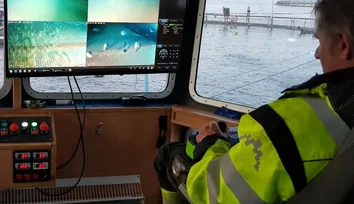
Helping Maintain Stable Position in Fast-Moving Waters
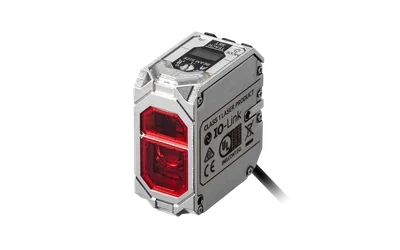
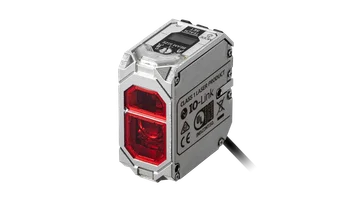
Conventional photoelectric sensors used for object detection and distance measurement can struggle with dark, glossy, or irregular targets because they rely on light intensity. Time-of-flight laser sensors overcome these challenges by using distance-based sensing instead.
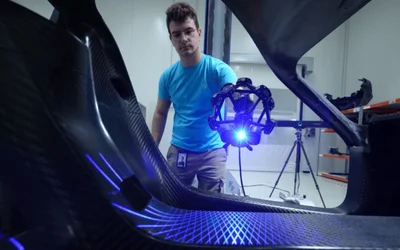
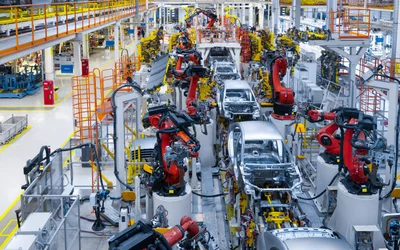
Why traditional inspection can no longer keep pace with modern automotive production, and what to do about it
Physics Behind the Blue Laser Advantage
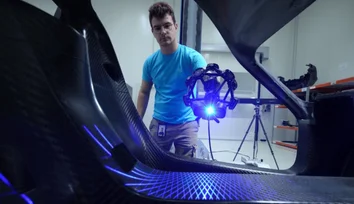
Learn how Shining3D is driving precision in automotive and civil aviation.
The inspection of confined spaces within the Non-Destructive Testing (NDT) industry presents numerous challenges, ranging from safety concerns to the substantial costs and extended downtime associated with traditional inspection methods.

3 minutes read
Examining the latest developments in self-driving vehicles.
Refineries, with their challenging conditions, rely on Non-Destructive Testing (NDT) inspections to ensure safety and reliability.
3 minutes read
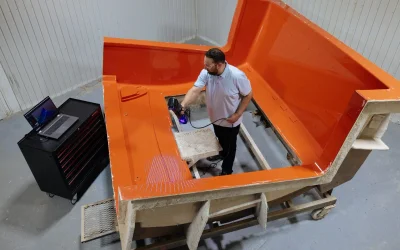
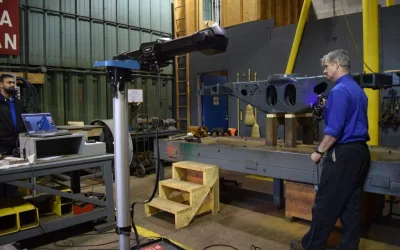
You work in aerospace, transportation, energy, mining, or heavy industries. You manufacture large parts and assemblies, some with black or shiny surfaces. You want to measure these large parts with high accuracy and fine detail without having to move them from their production environment.

5 minutes read
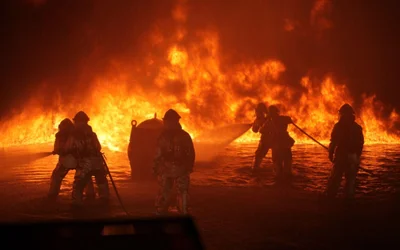
As the global adoption of uncrewed vehicles gains momentum in firefighting operations, it's evident that these technological advancements hold immense potential.
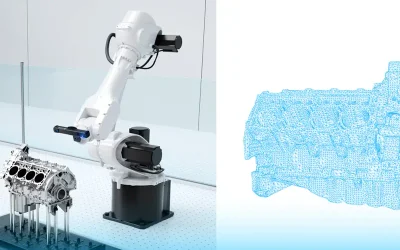
Laser scanning was found to provide an excellent middle-ground between technologies, all while being very easy to work with. The Creaform family of products has been clearly identified as being at the forefront of this technology.
3 minutes read
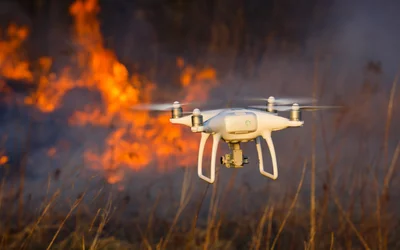
Critical to utilising uncrewed vehicles for disaster relief is the ability to coordinate vehicles into autonomous fleets and leverage live video links for real-time observation.
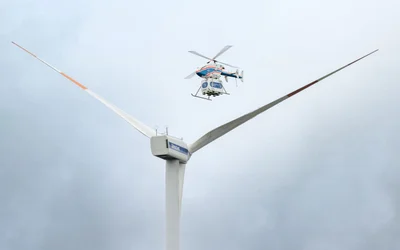
Logistics for offshore wind farms could be simplified with the use of drones. DLR is working with energy supplier EnBW to determine requirements and possibilities.

5 minutes read
End-to-end manufacturers are companies that lead products through the entire manufacturing process, from design to customer delivery.
6 minutes read
The shipbuilding industry is a critical component of any country’s infrastructure and economy. However, the process of ship construction, particularly the installation of pipes throughout the hull, is challenging and cumbersome. This is due to the segmented construction method adopted in shipbuilding, which often leads to deviations in the hull production process, making it difficult to accurately arrange and install pipes.
2 minutes read
Ålö Agricultural Machinery (Ningbo) Co., Ltd, a wholly owned subsidiary of Ålö, is a leading manufacturer of loaders and implements for agricultural tractors. With production facilities in four countries and customers in over 50, Ålö holds approximately 30% of the world market for tractor loaders exceeding 50 hp. Since 2020, the company has been part of the JOST Group, a renowned manufacturer of safety-critical systems for commercial vehicles.
2 minutes read
National Steel Car is a leading railroad freight and tank car manufacturer. Based in Hamilton, Ontario, Canada, and founded in 1912, the company develops and produces over 76 model variations of freight and tank cars for railroad, agriculture, chemical, construction, metal, energy, and financial/leasing companies in Canada and the United States.
2 minutes read
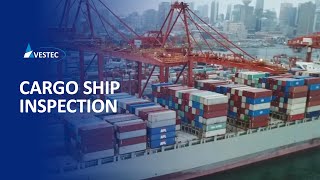
Watch How Flying Robots Like SKYRON Are Redefining Safety Checks at Sea
SKYRON's Cutting-Edge Solution Overcomes Hazardous Obstacles and Delivers Rapid Results
BVLOS, swarm, and military-grade encryption will enable wider and more diverse applications of drones, while cutting-edge software platforms enable operators to improve fleet coordination with more data control