Featured
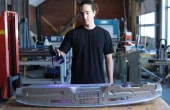
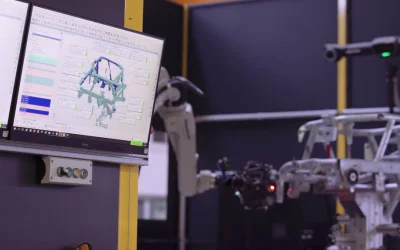
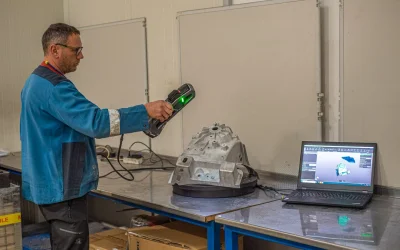
Manufacturing sheet metal is far from a simple task. It requires rigorous inspection, primarily due to the high quality and stringent safety standards required in the automotive industry.
Manufacturing sheet metal is far from a simple task. It requires rigorous inspection, primarily due to the high quality and stringent safety standards required in the automotive industry.
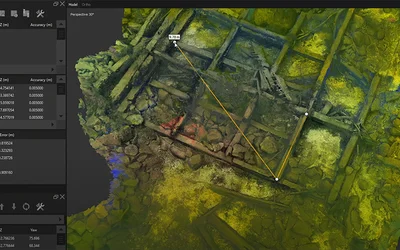
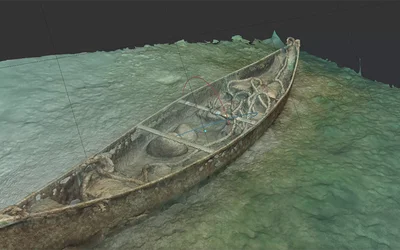
Discover how Deep Trekker ROVs are capable of conducting quality photogrammetry missions to create 3D models with unparalleled accuracy.
Unmanned and autonomous vehicles are transforming mobility across various sectors by attracting significant investment and promising economic growth, despite challenges in interoperability and customer adoption.
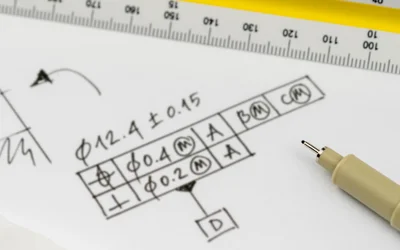
This guide covers the true position formula, how to read the feature control frame, and how MMC and LMC generate bonus tolerance.
10 minutes read.
14 minutes read.
13 minutes read.
12 minutes read.
9 minutes read.


Robotics and Drones
We empower R&D by providing the computational power, ROS packages, payloads...
14 Posts

Drone Fleet Management Software
Cloud Ground Control is a cloud based command and control solution for oper...
7 Posts
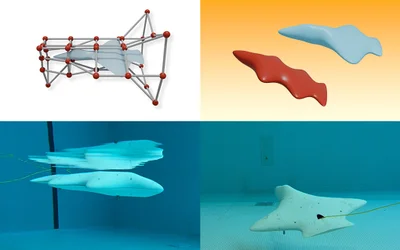
An AI pipeline developed by CSAIL researchers enables unique hydrodynamic designs for bodyboard-sized vehicles that glide underwater and could help scientists gather marine data.
A spherical prototype with "nimble dimples" can change its surface from smooth to dimpled, cutting through drag and generating lift.
Helping Maintain Stable Position in Fast-Moving Waters
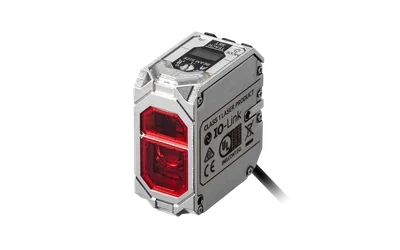
Conventional photoelectric sensors used for object detection and distance measurement can struggle with dark, glossy, or irregular targets because they rely on light intensity. Time-of-flight laser sensors overcome these challenges by using distance-based sensing instead.
Why traditional inspection can no longer keep pace with modern automotive production, and what to do about it
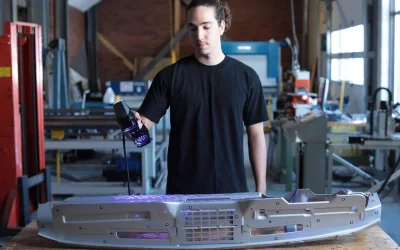
Physics Behind the Blue Laser Advantage
Learn how Shining3D is driving precision in automotive and civil aviation.
Manufacturing sheet metal is far from a simple task. It requires rigorous inspection, primarily due to the high quality and stringent safety standards required in the automotive industry.

6 minutes read
Discover how Deep Trekker ROVs are capable of conducting quality photogrammetry missions to create 3D models with unparalleled accuracy.

11 minutes read
Unmanned and autonomous vehicles are transforming mobility across various sectors by attracting significant investment and promising economic growth, despite challenges in interoperability and customer adoption.
The benefits associated with 3D scanning are unanimously acknowledged in the NDT industry. They involve the acquisition of data independent of the user’s expertise or experience, increased precision and repeatability, and significant productivity gains compared to more traditional techniques.
3 minutes read
Discover how to find the best footage for your photogrammetry projects to create 3D models with unparalleled accuracy.
8 minutes read
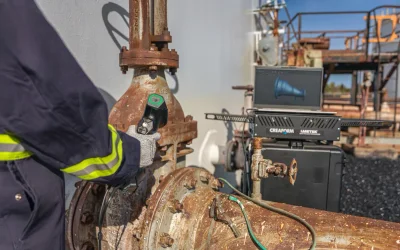
Creaform's non-destructive surface evaluation solution for the pipeline industry has received valuable feedback since its launch last year.
4 minutes read
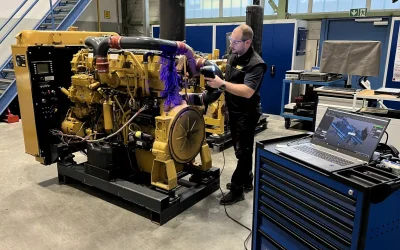
Given the complex geometries of the engines, it would not have been possible to record the missing dimensions. It would also have been virtually impossible to reconstruct hidden elements.
3 minutes read
Drones, coupled with cutting-edge navigation systems, are promising unmatched efficiency and foresight across diverse sectors.
A look at uncrewed vehicles' role in reducing greenhouse gas emissions with examples for forestry, ocean monitoring, and disaster relief.
INTAV SRL is an Italian company with more than 30 years of experience in designing and manufacturing luminous and acoustic warning devices for emergency, rescue, and operative vehicles.
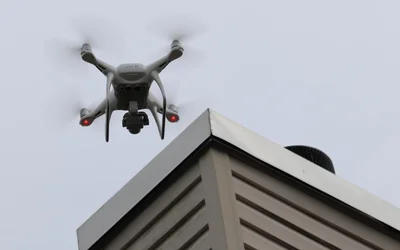
Novel drone navigation technology developed by Kenji Shimada was put to the test in an active Japanese tunnel construction site, enabling drones to approximate where a collision may occur and prevent it.

2 minutes read
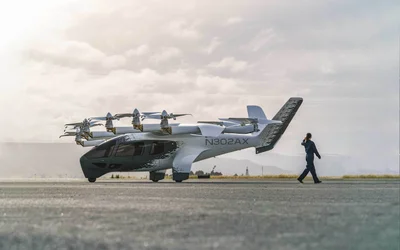
Exploring the potential of Urban Air Mobility (UAM) and electric Vertical Take-Off and Landing (eVTOL) vehicles in transforming urban transportation
Based on the latest International Energy Agency (IEA) projections (featured in the newest edition of the Global EV Outlook), the share of electric vehicles (EVs) in the overall car market has risen from around 4% in 2020 to 14% in 2022 and is set to increase further to 18% in 2023.
5 minutes read
Non-destructive testing inspections are in demand across various shapes and surfaces, needing different approaches to and for, until now.

Portable 3D scanner relieves measuring room workload and reduces downtime in production
3 minutes read