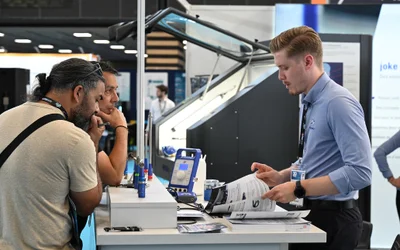
An annual industry event focused on additive manufacturing, industrial 3D printing, and advanced manufacturing technologies in Europe.
Be the first to know.
Get our 3D Printing & Digital Manufacturing weekly email digest.
3D Printing & Digital Manufacturing
report
This Report shows how tools like artificial intelligence, digital twins, and on-demand manufacturing are no longer emerging concepts, but are already delivering measurable impact across the product lifecycle.

Featured

Princeton researchers have combined brain cells and advanced electronics into a 3D device that can be programmed to recognize patterns using computational techniques.

Featured
The Future of Metal AM is moving faster than ever. Are you keeping pace?
Engineers Wiki. Most Asked Questions.
Comprehensive Guide
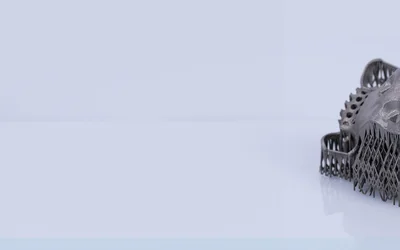
An engineer’s guide to understanding the state of the art in metal 3D Printing
CNC vs 3D Printing: How to Choose the Right Process
By Benedict O'Neill.
11 minutes read.
Microstepping Explained: Full Step, Half Step & Microstep
By Ramsha Jawaid.
15 minutes read.
Closed-Loop Stepper Motor: How Encoder Feedback Works
By Ramsha Jawaid.
22 minutes read.
Design for Additive Manufacturing: A DfAM Guide for Engineers
By Benedict O'Neill.
11 minutes read.
3D Printing Supports: Types, Settings, and Removal (2026)
By Benedict O'Neill.
18 minutes read.
What Is PLA? Composition, Properties, and Uses of Polylactic Acid
By Tasos Polygenis.
12 minutes read.
ORGANIZATIONS. SHAPING THE INDUSTRY.


The Next Byte
Entertainment
The Next Byte Podcast is hosted by two young engineers - Daniel and Farbod - who select the most interesting tech/engineering cont...
165 Posts




TAGGED WITH 3d printing
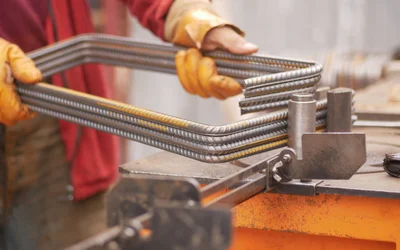
Need a material that bends but doesn't break? Discover how ductility shapes design and performance

From Functional Prototypes to Complex, Low-Volume Parts.

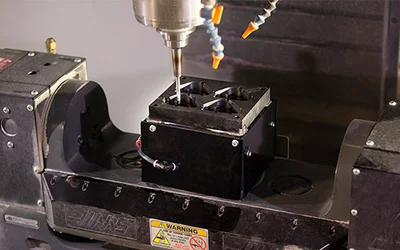
Nylon parts are used widely, but when standard nylon is not tough enough, glass filled nylon is a good candidate. This polyamide engineering plastic offers higher strength, stiffness and heat resistance by adding powdered glass to nylon resin or compounding nylon with glass fibres.
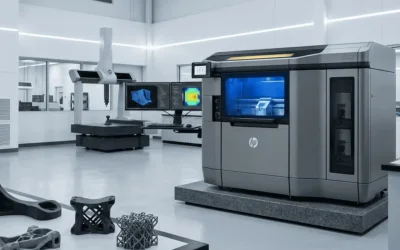
MJF 3D printing is a polymer powder-bed fusion process engineered for high throughput and mechanical consistency. Unlike legacy methods, it delivers functional, end-use parts with near-isotropic properties, making it a highly viable alternative to injection molding for low-to-mid volume production.
TAGGED WITH smart material printing

Discover how iAM Marketplace simplifies industrial additive manufacturing by unifying materials, validation services, and multi-brand technologies into one open ecosystem for efficient AM sourcing.


This article discusses what attendees can expect from TCT Asia 2026, including its conference format, focus areas, and the experts contributing to industry-specific discussions.


This article discusses the exhibitors, products, and industrial trends defining additive manufacturing across the Asia-Pacific region at TCT Asia 2026.


This article discusses how the Asia-Pacific region is advancing additive manufacturing and the role of TCT Asia as the leading 3D printing and additive manufacturing event in the Asia-Pacific.

Latest Posts
event | JUN 02 - JUN 04, 2026
An annual industry event focused on additive manufacturing, industrial 3D printing, and advanced manufacturing technologies in Europe.
Princeton researchers have combined brain cells and advanced electronics into a 3D device that can be programmed to recognize patterns using computational techniques.
The Future of Metal AM is moving faster than ever. Are you keeping pace?
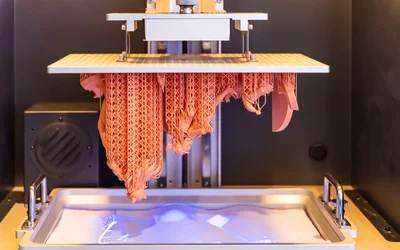
This guide explores how resin 3D printing works, the physics and chemistry behind it, practical design considerations, performance data, and safety recommendations.
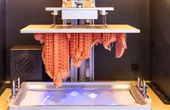
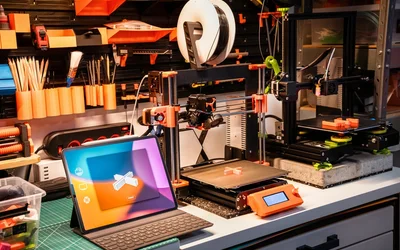
How does 3D printing work? This guide covers everything from desktop printers to industrial systems, explaining the digital workflow, materials, and applications that engineers need to understand.
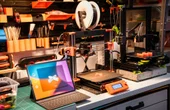
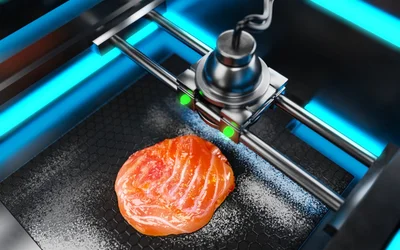
Explore the rise of 3D printing food, including market growth, printing technologies, material science, and real-world applications.


New System Strengthens Security for the Biotech Industry

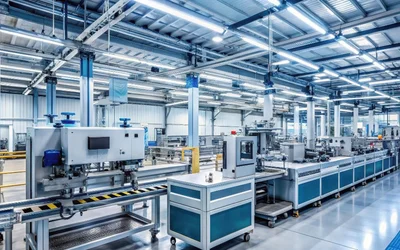
Manufacturing has undergone extraordinary change over the past few centuries. What began as manual labour in small workshops has transformed into a globally integrated, highly automated ecosystem powered by digital technology and real-time data.


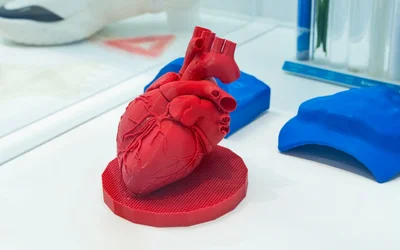
A technical analysis of 3D printing in healthcare, covering materials, clinical applications, and regulatory considerations for engineers.
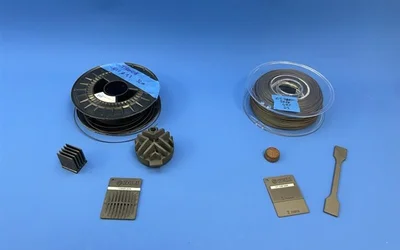
Advanced polymer developer Avient brings 3devo filament production in house for streamlined material testing and validation.


Defense Innovation Starts With Additive Manufacturing

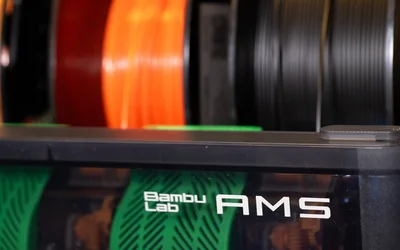
What is AMS 3D printing? Here we provide a technical exploration of Bambu Lab's Automatic Material System (AMS) architecture, operation, and performance.
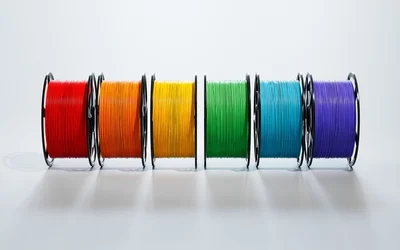
The 3D printer filament market is flooded with choices, but what are the best PETG filaments available to engineers today? Here we look at some of the top brands.


A guide for engineers about what sparse infill density refers to, with practical recommendations backed by research and slicing software data.


Scientists at Caltech have figured out how to precisely engineer tiny three-dimensional (3D) metallic pieces with nanoscale dimensions.

3 minutes read