How Does 3D Printing Work? An Introduction to Additive Manufacturing
How does 3D printing work? This guide covers everything from desktop printers to industrial systems, explaining the digital workflow, materials, and applications that engineers need to understand.

24 Apr, 2026. 12 minutes read
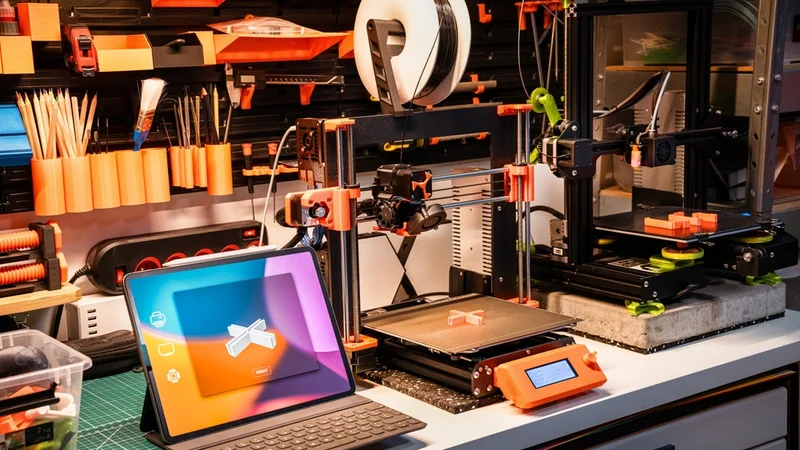
3D printing has grown far beyond its roots as a niche prototyping tool. Today, additive manufacturing is used to produce aerospace parts, medical devices, industrial tooling, and consumer products. But despite its growing presence in manufacturing, many people still ask the same question: how does 3D printing work?
At its core, 3D printing works by creating a physical object layer by layer directly from a digital file, using an additive process instead of cutting or removing material. Printers achieve this in different ways depending on the technology: thermoplastic filament can be melted and deposited, liquid resin can be cured with light, or metal powders can be fused with lasers or electron beams.
This article explains how 3D printing works, covering the digital workflow, the major printing technologies, and the materials they use. It also explores design for additive manufacturing (DfAM), emerging industry trends, and other points of interest for newcomers.
Additive vs. Traditional Manufacturing
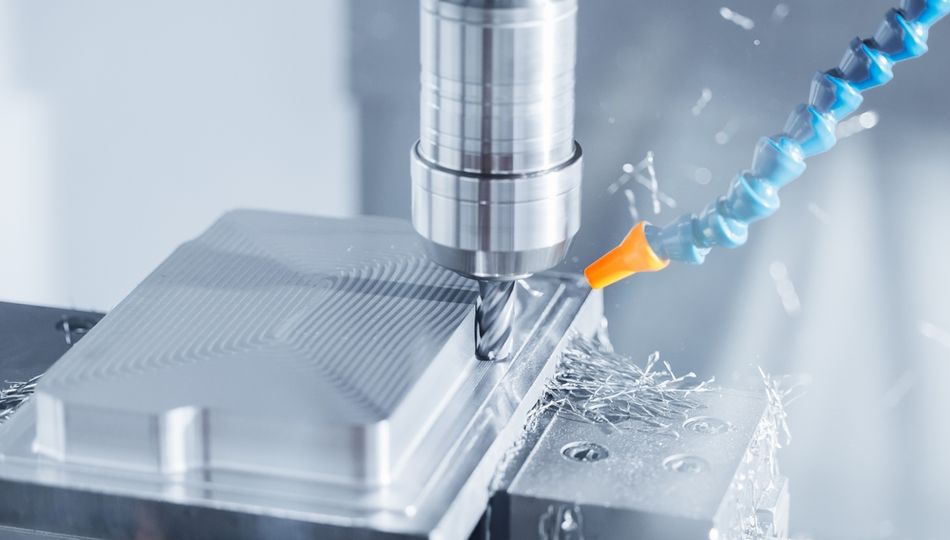
Most conventional manufacturing processes fall into two categories: subtractive and formative. Subtractive methods, such as CNC milling or turning, begin with a solid block of material and remove sections to produce the final geometry. Formative processes, including injection molding and casting, shape material using molds or dies.[1] Both approaches are highly refined and extremely efficient at large production volumes, but they come with constraints, including material waste in subtractive machining and high upfront tooling costs in formative manufacturing.
Additive manufacturing flips this model. Instead of cutting away or molding material, a 3D printer builds parts layer by layer, depositing material only where it is needed.[2] This reduces waste, eliminates the need for dedicated tooling, and makes complex geometries practical. However, additive manufacturing also introduces its own trade-offs.
Key differences between additive and traditional manufacturing include:
Material usage: Additive manufacturing typically uses material only where required, while subtractive processes generate waste as chips or swarf.
Tooling requirements: Traditional formative methods require molds or dies; additive manufacturing typically requires none.
Design complexity: 3D printing enables internal channels, lattice structures, and topology-optimized shapes that are difficult or impossible with conventional methods.
Production speed: Injection molding and similar methods are much faster at large production volumes.
Post-processing needs: Additive parts may require finishing steps such as support removal, machining, or surface treatment.
The Digital Workflow: CAD, File Formats, and Slicing
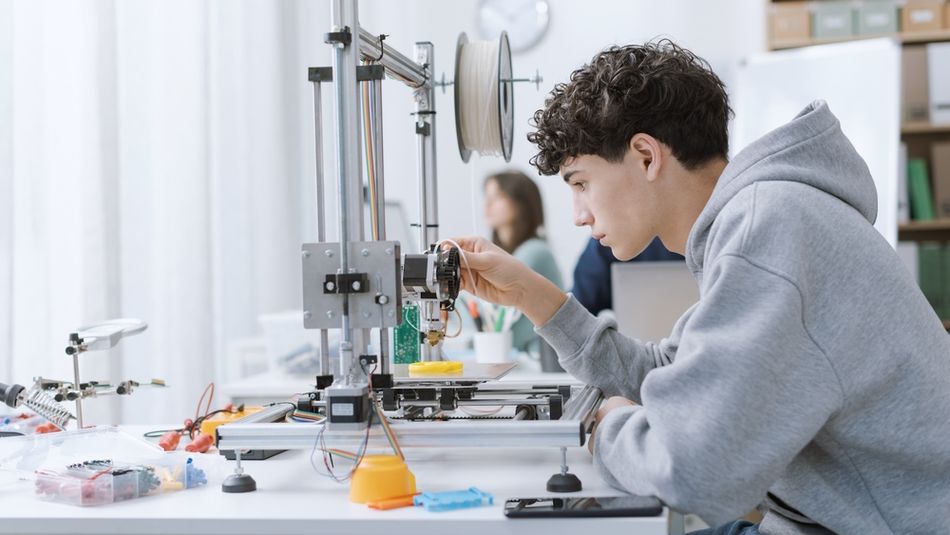
Every 3D print begins with a digital model. Designers typically create these models using computer-aided design (CAD) software, although objects can also be captured using 3D scanning and converted into printable geometry. The model defines the shape of the part and serves as the foundation for the entire printing process.
Once the design is complete, it is exported into a file format that describes the object’s geometry. Common formats include STL, which represents surfaces as a mesh of triangles, as well as newer formats like 3MF or OBJ that can store additional information such as color or materials. This file is then imported into slicer software, which prepares the model for printing by dividing it into thin horizontal layers and generating the instructions the printer will follow.
During slicing, the software also determines how the part will be positioned on the build platform and whether supports are needed to stabilize overhanging features. The final output is a machine-readable file that guides the printer’s movements and controls how each layer is produced. Settings chosen during this stage—such as layer thickness or build orientation—can influence print quality, strength, and overall build time.
Recommended reading: Understanding 3D Printer File Formats (STL, OBJ, 3MF, and more)
The Major 3D Printing Technologies
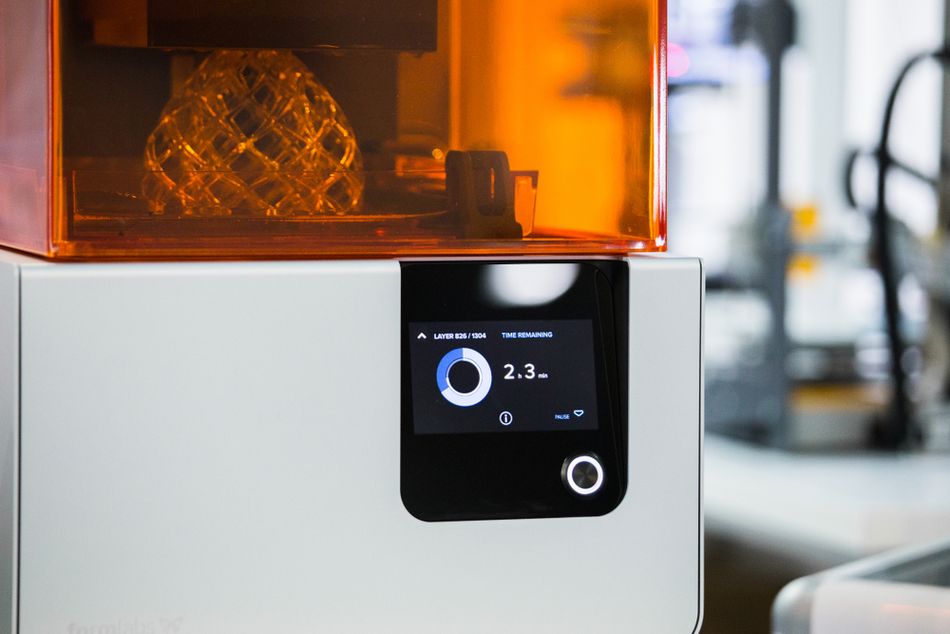
Several different technologies fall under the umbrella of 3D printing, each using a different method to build parts layer by layer. The most widely referenced classification comes from the ISO/ASTM 52900:2021 Additive manufacturing — General principles — Fundamentals and vocabulary standard, developed by the International Organization for Standardization and ASTM International.[3]
It defines seven categories of additive manufacturing processes, grouping the technologies according to the way material is deposited, fused, or solidified during the build process:
Material extrusion
Vat photopolymerization
Powder bed fusion
Binder jetting
Material jetting
Directed energy deposition
Sheet lamination
In practice, however, the seven-process framework does not always reflect how the industry talks about 3D printing technologies. Some categories cover a broad range of widely used machines, while others are comparatively niche. For example, sheet lamination systems exist but represent only a small portion of current additive manufacturing activity.
As a result, many explanations of 3D printing focus instead on the dominant technology families—such as extrusion-based filament printers, resin photopolymer systems, and powder-based processes for polymers or metals—rather than strictly following the ISO/ASTM classification.
Material Extrusion
Extrusion printing is one of the most widely used forms of 3D printing, especially in desktop and entry-level industrial machines. The most common form of the process is commonly called Fused Deposition Modeling (FDM)—a term originally trademarked by Stratasys—while the more general industry term Fused Filament Fabrication (FFF) is used for similar open systems. In both cases, the technology works by feeding a solid thermoplastic filament from a spool into a heated print head, where it is melted and pushed through a small nozzle.
As the printer moves the nozzle across the build platform, it deposits a thin strand of molten plastic that cools and solidifies almost immediately. The nozzle traces the shape of the first layer of the object, placing material only where it is required. Once a layer is finished, the printer shifts vertically by a small distance and begins depositing the next layer on top of the previous one.
Each newly extruded strand bonds to the material beneath it while still warm, gradually forming a solid part through repeated layers of deposition. By precisely controlling the movement of the nozzle and the flow of material, the printer recreates the geometry defined in the digital model, building the object from the bottom up.
Vat Photopolymerization
Vat photopolymerization is a 3D printing method that builds parts by selectively curing liquid resin with light. Stereolithography (SLA), the first commercial 3D printing technology, uses a UV laser to trace each layer on the surface of a resin vat. Once a layer is cured, the build platform shifts to allow fresh resin to flow over the surface, and the next layer is exposed. Successive layers bond as they harden, gradually forming the part.
Digital Light Processing (DLP) and masked stereolithography (MSLA) use similar principles but cure layers differently. DLP projects an entire layer image at once using a digital projector, while MSLA uses an LCD screen as a mask to selectively block or transmit UV light from a backlight source. Both methods can cure full layers simultaneously, speeding up print times compared with point-by-point laser scanning.
All resin-based processes produce parts with high surface quality and fine detail, making them ideal for dental models, jewelry, microfluidic devices, and detailed prototypes. However, printed parts usually have lower impact resistance than thermoplastics and require post-processing, including washing to remove uncured resin and additional UV curing to reach full mechanical strength. Despite these limitations, vat photopolymerization remains a go-to method when precision, smooth surfaces, and intricate geometries are essential.
Powder Bed Fusion
Powder bed fusion is a group of 3D printing processes that fuse powdered material layer by layer to form solid parts. In Selective Laser Sintering (SLS), a thin layer of powder—commonly nylon—is spread across the build platform. A laser then selectively sinters the powder particles according to the part’s cross-section. Once a layer is complete, the platform lowers, a fresh layer of powder is applied, and the process repeats until the part is fully formed. The unsintered powder surrounding the part acts as a natural support, allowing complex geometries, internal channels, and nested parts without additional structures. HP’s Multi Jet Fusion (MJF) is another form of powder bed fusion for polymers.
Metal variants such as Direct Metal Laser Sintering (DMLS) fully melt metal powders like stainless steel, titanium, or aluminum alloys. These processes produce dense, functional components for aerospace, medical, and automotive applications. Unlike polymer SLS, metal powder bed fusion generally requires support structures to anchor the part and manage thermal stresses during melting.
Electron Beam Melting (EBM) is another metal powder process that uses an electron beam in a vacuum. EBM is primarily applied to titanium alloys for high-performance aerospace and medical implants. Across all powder bed fusion methods, the core principle remains the same: thin layers of powder are selectively fused or melted to gradually build up a part, layer by layer, directly from a digital design.
Other 3D Printing Technologies
Beyond the major methods like extrusion, vat photopolymerization, and powder bed fusion, additional 3D printing technologies address more specialized applications, materials, or production requirements. These methods often excel in areas where traditional additive approaches face limitations, such as producing multi-material parts, handling large or unusual materials, or enabling high-speed production of small components.
Binder Jetting deposits a liquid binder onto a powder bed, which can be metal, ceramic, or sand. The process does not use heat during printing, reducing thermal distortion. Metal parts are later sintered in a furnace to achieve full density. Binder jetting is suited to high-volume production of small metal components and sand casting molds.
Material Jetting works like an inkjet printer, depositing droplets of photopolymer or wax that are immediately cured by UV light. It can produce multi-material, multi-color parts with high resolution, making it ideal for realistic prototypes, anatomical models, and casting patterns.
Directed Energy Deposition uses a focused energy source—such as a laser, electron beam, or plasma arc—to melt material as it is deposited through a nozzle or wire feed. DED is commonly used for repairing metal components, adding features to existing parts, or building large-scale metal structures in aerospace and defense.
Sheet Lamination (Laminated Object Manufacturing) bonds and cuts sheets of material, including paper, plastic, or metal foil. Each sheet is laminated to the previous one and cut to shape with a laser or blade. Sheet lamination is fast and cost-effective for large parts but produces limited mechanical strength.
Technology | Major Subtypes | Typical Materials | Description |
Material Extrusion | FDM / FFF | PLA, ABS, PETG, Nylon, Polycarbonate, reinforced filaments | Thermoplastic filament is melted and deposited layer by layer. |
Vat Photopolymerization | SLA, DLP, MSLA, DLS | Photopolymer resins | Liquid resin is cured layer by layer with light; high detail, smooth surfaces. |
Powder Bed Fusion | SLS, SLM, DMLS, EBM, MJF | Nylon, PA, metals (steel, titanium, aluminum) | Powder is selectively fused or bonded; supports complex geometries. |
Material Jetting | PolyJet, MultiJet | Photopolymers, wax | Droplets are deposited and cured with UV light; enables multi-material and color parts. |
Binder Jetting | Metal binder jetting, sand casting | Metal powders, ceramics, sand | Binder binds powder layer; metal parts require sintering; supports high-volume production. |
Directed Energy Deposition (DED) | Laser DED, Electron Beam DED, Plasma Arc DED | Metals (steel, titanium, cobalt-chrome) | Material is melted as it is deposited; often used for repairs or large metal structures. |
Sheet Lamination | LOM (Laminated Object Manufacturing) | Paper, plastic, metal foil | Sheets are bonded and cut layer by layer; fast and inexpensive, limited strength. |
Materials for 3D Printing
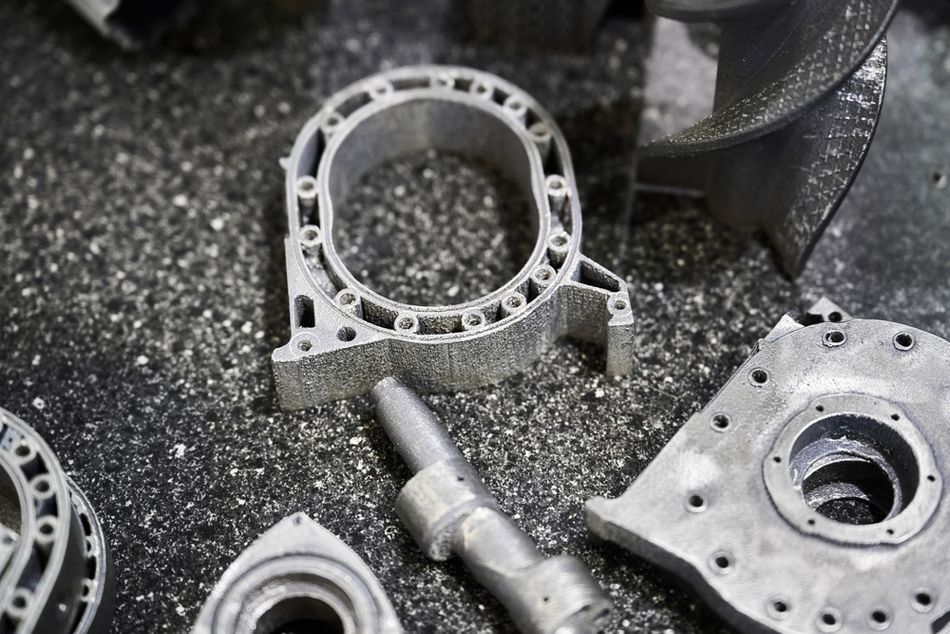
3D printing supports a wide range of materials, each suited to specific technologies and applications. While the major categories cover most common use cases, there are other specialized materials and experimental formulations that extend capabilities even further.
Thermoplastics: Widely used across extrusion-based, powder bed, and hybrid 3D printing processes, thermoplastics provide a balance of strength, flexibility, and printability. They are suitable for functional prototypes, engineering components, and end-use parts in applications requiring durability and moderate heat resistance.
Photopolymer Resins: Used in SLA, DLP, MSLA, DLS, and material jetting, these resins range from standard formulations (fine detail, smooth surfaces) to engineering-grade (tough, flexible, heat-resistant, castable) and specialized dental or medical resins (biocompatible for implants and models).
Metal Powders: Central to powder bed fusion and binder jetting, metals such as stainless steel, titanium, aluminum alloys, cobalt-chrome, Inconel, and copper enable high-strength, functional parts for aerospace, medical, and industrial applications.
Composites and Filled Materials: Polymers reinforced with carbon fiber, glass fiber, or Kevlar improve stiffness and strength-to-weight ratio, while metal-filled filaments can be sintered after printing to produce near-metal parts.
Ceramics: Used in binder jetting and specialized resin processes for dental crowns, electronic substrates, and thermal insulators.
Concrete and Construction Materials: Employed in large-scale 3D printing for walls, foundations, and architectural elements.
How Is 3D Printing Used in Practice?
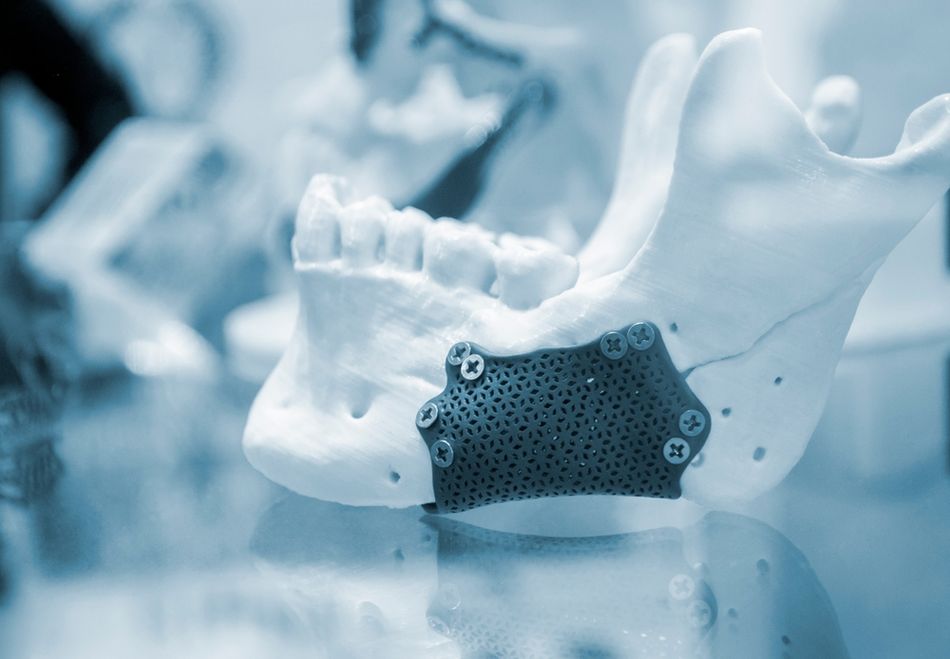
3D printing is a versatile technology that supports both creative and practical applications. Rapid prototyping remains one of its most common uses, allowing designers and engineers to quickly produce physical models for testing form, fit, and function. This speeds up iteration and reduces costs compared with traditional prototyping methods.
Beyond prototypes, 3D printing is increasingly used for production and functional parts.[4] It can create custom tools, jigs, fixtures, and low-volume or highly customized components. Its ability to produce complex geometries without specialized tooling makes it useful for lightweight parts, intricate assemblies, or products tailored to individual needs.
Other practical uses include medical, educational, and construction applications. In healthcare, 3D printing produces patient-specific prosthetics, surgical models, dental devices, and research scaffolds. In education and research, it enables students and scientists to create models, experimental apparatus, and teaching aids. Large-scale 3D printing in construction allows walls and structural elements to be built layer by layer, reducing material waste and shortening build times. Overall, 3D printing provides a flexible, cost-effective way to make prototypes, functional parts, and customized solutions across many contexts.
Recommended reading: How to Use a 3D Printer: Quick-Start Guide for Engineers
Design for Additive Manufacturing (DfAM)
Designing for 3D printing requires a different approach than traditional manufacturing. Because parts are built layer by layer, additive manufacturing allows complex geometries, internal structures, and consolidated assemblies that would be difficult or impossible to produce with machining or molding. However, the layer-based process also introduces considerations around part strength, surface finish, and post-processing. Designers must account for how each technology interacts with material, geometry, and load requirements to ensure successful prints.
Key aspects of DfAM include supports, orientation, tolerances, and internal structures. Overhangs and steep angles may require support structures depending on the printing process, while the orientation of the part affects surface quality and mechanical properties. Internal lattices or honeycomb infill can reduce weight without sacrificing strength, and consolidation can replace multiple components with a single printed part, simplifying production.
Key DfAM Considerations:
Supports and overhangs: Minimize post-processing and ensure stability during printing.
Build orientation: Optimizes surface finish, strength, and support needs.
Tolerances: Account for the precision limits of the chosen 3D printing process.
Internal structures: Lattices, honeycombs, and topology optimization for weight reduction.
Part consolidation: Combine multiple components into a single part to simplify assembly and reduce material use.[5]
Conclusion
Additive manufacturing continues to evolve, with advances in speed, materials, and intelligent workflows bringing it closer to mainstream production. Industrial systems now integrate advanced software, AI-assisted design, and improved process controls, while larger build volumes and more capable materials expand what can be printed reliably. These developments make 3D printing not just a prototyping tool, but a practical option for a wide range of production needs.
Applying 3D printing effectively requires understanding how each technology works and what it does best. FDM/FFF offers accessibility and versatility, resin-based processes provide high precision and fine detail, and powder bed fusion enables complex, support-free geometries and production-grade metal parts. By following DfAM guidelines and selecting the right process and material for the intended use, engineers can accelerate development, reduce costs, and produce parts that are difficult or impossible to make with traditional manufacturing methods.
FAQ
What is the difference between 3D printing and additive manufacturing?
The terms are often used interchangeably. "Additive manufacturing" is the formal industry and ISO/ASTM term for any additive process that joins material layer by layer to create a 3D object from a digital file. "3D printing" began as a colloquial term but is now widely accepted in both consumer and professional contexts.
What file formats do 3D printers use?
The most common is STL (Standard Tessellation Language), which represents surface geometry as a triangle mesh. 3MF (3D Manufacturing Format) includes color, material, and build info. OBJ files are used when texture data is needed. Slicer software converts these files into G-code or printer-specific instructions for the final product.
How long does a 3D print take?
Print time depends on object size, printer type of 3D printer, layer height, infill density, and print speed. Small FDM parts can take 30 minutes to a few hours, detailed SLA prints may take 8–12 hours, and industrial metal builds can run for days.
How strong are 3D printed parts?
Strength varies by material, process, and settings. FDM parts in PLA or ABS suit prototyping and light-duty use. SLS nylon parts are nearly isotropic. Metal parts made with DMLS or SLM can match or exceed cast or wrought equivalents after heat treatment.
Can 3D printers print metal?
Yes. Additive processes like SLM, DMLS, EBM, binder jetting, and directed energy deposition produce dense, functional metal parts using powders or wire feedstock. Common metals include stainless steel, titanium, aluminum, and nickel alloys.
What is the cheapest way to start 3D printing?
Desktop 3D printers offer the lowest entry cost. Machines from Creality, Bambu Lab, or Prusa start at a few hundred dollars, and PLA filament is about $20–30 per kilogram. Free slicer software and CAD tools make the workflow accessible to hobbyists.
Do 3D printed parts require post-processing?
Yes. FDM parts may need support removal, sanding, or painting. SLA parts require washing in solvent and UV post-curing. SLS parts need depowdering and optional coating. Metal parts typically need support removal, heat treatment, and finishing (machining, bead blasting, polishing).
Is 3D printing safe for home use?
Desktop FDM printers are generally safe with ventilation and basic precautions. PLA emits minimal fumes, while ABS and other plastics release VOCs and ultrafine particles. Resin printers require careful handling due to toxic uncured resin. Children should be supervised near heated nozzles and chemicals.
How does 3D printing compare to subtractive manufacturing?
Unlike subtractive manufacturing, which removes material to create a part, 3D printing builds the printed object layer by layer. This additive process reduces waste, allows complex internal structures, and can consolidate multiple components into a single final product.
Can 3D printing be used for mass production?
While traditionally used for prototyping, advanced systems can produce high-quality parts in small or medium batches. Multi-material and high-speed printers are increasingly capable of producing final products at scale, complementing traditional manufacturing technology for niche or customized applications.
What materials can 3D printers use?
Printers handle different materials, including thermoplastics, resins, metals, ceramics, and composites. Material choice depends on the printer type of 3D printer and the desired properties of the printed object, such as strength, flexibility, or heat resistance.
How do adhesives and support materials work in 3D printing?
Some printers use adhesive layers or support materials to hold overhangs or complex geometries during printing. After the print, these supports are removed or dissolved, ensuring the final product maintains its intended shape without compromising surface quality.
References
[1] Zivanovic ST, Popovic MD, Vorkapic NM, Pjevic MD, Slavkovic NR. An Overview of Rapid Prototyping Technologies using Subtractive, Additive and Formative Processes. Fme Transactions. 2020 Jan 1;48(1).
U.S. Department of Energy. How 3D Printers Work. Energy.gov [Internet]. 19 Jun 2014 [cited 2026 Apr 9].
[3] International Organization for Standardization; ASTM International. ISO/ASTM 52900:2021(en), Additive manufacturing — General principles — Fundamentals and vocabulary. Geneva: ISO/ASTM; 2021.
[4] Lawson L. When to Use 3D Printing for Mass Production [Internet]. BigRep; 11 Nov 2025 [cited 2026 Apr 9].
[5] Altair Engineering Inc. Four Key Principles of Design for Additive Manufacturing (DfAM) [Internet]. Altair; 22 Nov 2022 [cited 2026 Apr 9].