Discover how iAM Marketplace simplifies industrial additive manufacturing by unifying materials, validation services, and multi-brand technologies into one open ecosystem for efficient AM sourcing.
Be the first to know.
Get our smart material printing weekly email digest.
Tagged with
smart material printing
ORGANIZATIONS. SHAPING THE INDUSTRY.
Latest Posts


This article discusses what attendees can expect from TCT Asia 2026, including its conference format, focus areas, and the experts contributing to industry-specific discussions.


This article discusses the exhibitors, products, and industrial trends defining additive manufacturing across the Asia-Pacific region at TCT Asia 2026.

This article discusses how the Asia-Pacific region is advancing additive manufacturing and the role of TCT Asia as the leading 3D printing and additive manufacturing event in the Asia-Pacific.


Advancing New Horizons in Additive Manufacturing (AM)

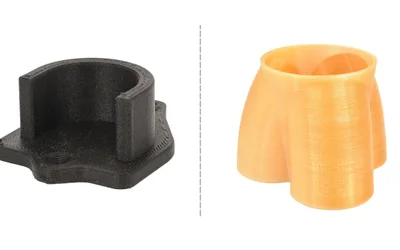
Discover how to print with high-performance filaments like PEEK, PEKK, and ULTEM. Learn about their properties, hardware needs, challenges, and best practices for industrial-grade 3D printing.
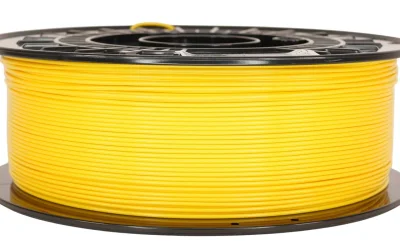
Explore how 3D-Fuel's Pro PCTG filament advances additive manufacturing, offering higher impact strength, improved environmental resistance, and reliable printability for functional and industrial 3D printing applications.

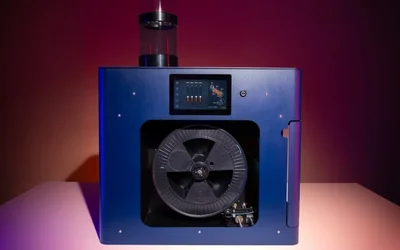
3devo's next-generation desktop extruder combines industrial precision with lab-scale simplicity enabling more controlled, higher-performance and data-driven 3D printing material workflows.

EPFL researchers have pioneered a 3D-printable, programmable lattice structure for robotics that mimics the vast diversity of biological tissues – from a flexible trunk to rigid bone – using a single foam material.

3 minutes read

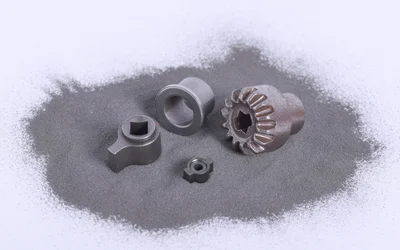
From crack-free molybdenum MoC0.4 to conductive, anodizable aluminum Aheadd CP1—and ultrafine, user-driven powder production with ultrasonic atomization

2 minutes read

In this episode, we discuss how Harvard researchers cracked the code of 3D printing “shapeshifting” materials and why their efforts lay the groundwork for other innovations in the material science field.

13 minutes read
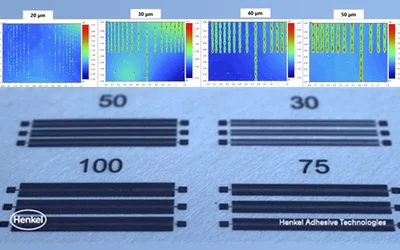
Henkel Adhesive Technologies holds leading market positions worldwide in the industrial and consumer business. As a global leader in the adhesives, sealants, and functional coatings markets, Henkel has developed a large material portfolio of LOCTITE® conductive inks ...

7 minutes read
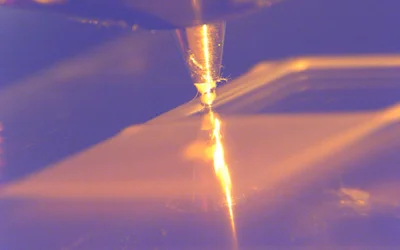
Nozzle shape, print parameters tune liquid crystal elastomer morphing

4 minutes read
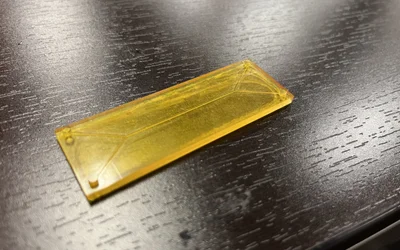
Soft lithography creates three-dimensional patterns and structures at the microscale and nanoscale levels. Unlike photolithography, a fabrication technique used by the semiconductor industry, soft lithography produces microfluidic devices, microarrays, and microelectromechanical systems (MEMS).

3 minutes read
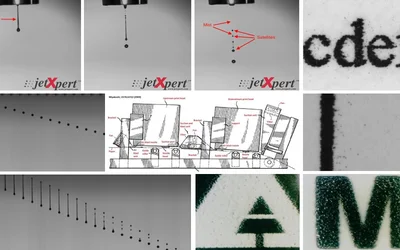
How to optimize the art of inkjet printing for functional and electronics printing? We will discover that there are multiple potential causes of satellites and explore some of the ways to minimize their formation and effect.
7 minutes read