Best PETG Filament In 2026: High-Speed, Matte, Reinforced
The 3D printer filament market is flooded with choices, but what are the best PETG filaments available to engineers today? Here we look at some of the top brands.

18 Mar, 2026. 8 minutes read
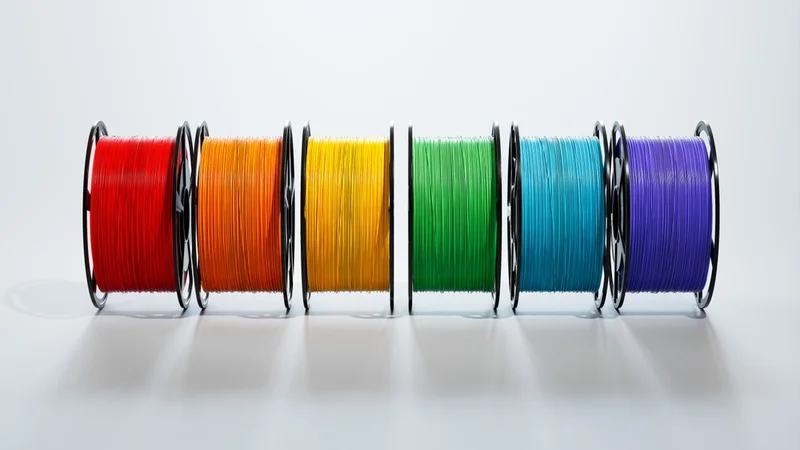
PETG remains one of the smartest all-round filament choices in 2026. It bridges the gap between easy-printing PLA and tougher but more temperamental ABS. Thanks to its modified polymer structure, PETG prints with minimal warping, strong layer adhesion, and excellent durability. You get high impact resistance, good chemical stability, and impressive clarity in transparent grades. Many formulations are recyclable, and some are approved for food-contact applications.
For electronics enclosures, brackets, mechanical parts, and functional prototypes, PETG continues to deliver reliable performance on modern high-speed desktop and CoreXY printers. The difference in 2026 is quality. The best PETG filament options now include low-stringing blends, matte finishes for cleaner surface appearance, carbon fiber composites for added stiffness, and high-flow formulations tuned for 300+ mm/s printing. Choosing the right spool is no longer just about price—it’s about matching the material to your application and machine.
Understanding PETG Filament
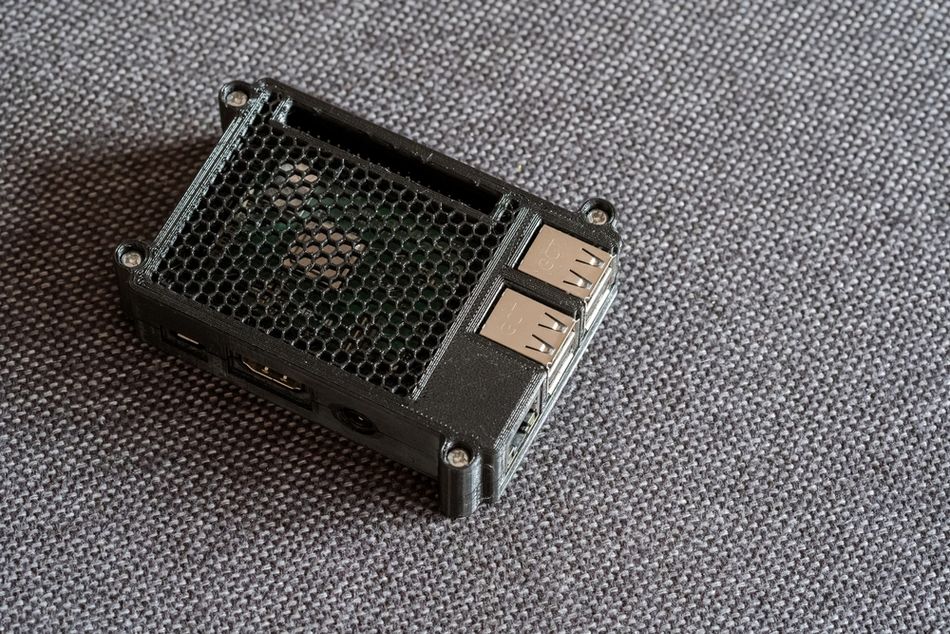
PETG is a popular thermoplastic used in FDM/FFF 3D printing because it combines strength, durability, and easy processing. It is a modified version of PET plastic, engineered to be less brittle and easier to extrude.[1] In practical terms, PETG prints with less warping than ABS, better toughness than PLA, and strong layer bonding that makes parts feel solid and reliable.
In 3D printing, PETG is widely used for functional parts such as enclosures, brackets, clips, guards, and mechanical components. It runs well on most modern desktop and high-speed printers and produces parts that resist impact, moisture, and many common chemicals. While it is not designed for extreme heat applications, it performs well for everyday engineering use when temperatures stay moderate.[2]
Advantages of PETG
Stronger and more impact-resistant than PLA
Easier to print than ABS (less warping and cracking)
Excellent layer adhesion for durable parts
Good chemical resistance to alcohols and mild acids
Low shrinkage for accurate, dimensionally stable prints
Available in clear, matte, reinforced, and high-flow formulations
Often recyclable, with some food-contact compliant grades available
PETG vs. Other Filaments
Understanding how PETG compares with alternative materials helps engineers choose the appropriate filament. The table below summarizes differences between PETG, PLA, ABS, polycarbonate (PC), and polymethyl methacrylate (PMMA).
Property | PETG | PLA | ABS | PC | PMMA |
Tensile strength | 52–62 MPa | ~50 MPa | ~45 MPa | 60–65 MPa | 70 MPa |
Impact resistance | High | Low | Medium | Very high | Low |
Heat resistance (HDT) | 65–75 °C | 50–60 °C | 95–105 °C | 140–150 °C | 85–90 °C |
Printing difficulty | Easy-medium | Very easy | Difficult (requires enclosure) | Very difficult | Medium |
Warping tendency | Low | Very low | High | Very high | Medium |
Flexibility | Good | Brittle | Moderate | Excellent | Brittle |
Chemical resistance | Excellent | Poor | Good | Excellent | Moderate |
Water absorption | 0.2 % (24 h) | 2-3 % | 0.3 % | 0.15 % | 0.3 % |
Food safe | Yes (FDA approved) | Limited | No | Yes | No |
Cost per kg | $18-24 | $15-20 | $15-22 | $40-70 | $25-35 |
The table highlights PETG's middle-ground position: it offers stronger impact resistance and chemical durability than PLA while remaining easier to print than ABS or PC.
Recommended reading: PETG vs PLA: Differences and Comparison
PETG Applications
PETG is widely used because it balances strength, durability, and easy printing. It works well for parts that need to handle light heat, impact, or repeated use without cracking.
Common PETG applications include:
Electronics housings and sensor enclosures: Good impact resistance and safe for parts that warm slightly during use (kept under moderate temperatures).
Mechanical brackets, clips, and jigs: Slight flexibility helps parts bend instead of snapping under load.
Protective gear and medical items: Used for face shields, guards, and some prosthetic components when proper-grade material is selected.
Automotive interior parts: Suitable for clips and holders inside cabins, but not for high-heat engine areas.
Food containers and kitchen accessories: Food-safe grades can be used for bottles or storage parts when printed properly.
Clear covers and light diffusers: Transparent PETG works well for windows, lenses, and protective screens.[3]
Functional prototypes and end-use parts: Strong layer bonding and low shrinkage make it reliable for real-world testing and small production runs.
Criteria for Selecting the Best PETG Filament
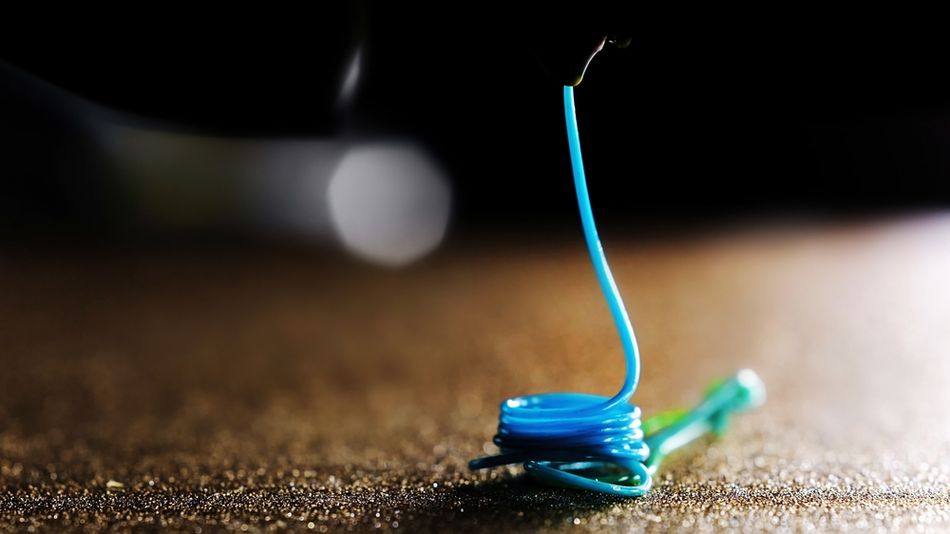
Most PETG filaments have very similar core mechanical properties. Stated strength, impact resistance, and general heat tolerance do not vary dramatically between reputable brands. Because of that, choosing the best PETG filament is less about minor spec-sheet differences and more about consistency, dimensional accuracy, and whether the material includes functional additives designed for your specific use case.
However, perhaps more important than material selection is simply finding the ideal print settings for your chosen filament and 3D printer. This can take time but may ultimately lead to more successful prints than shopping around all the different PETG brands.
Below are the key selection criteria, ordered by importance:
Diameter Tolerance: Tight dimensional control (ideally ±0.02 mm) ensures consistent extrusion, smoother surfaces, and stable high-speed printing. Poor tolerance leads to under- or over-extrusion, especially on fast CoreXY machines.
Formulation and Functional Additives: Modern PETG is no longer one-size-fits-all. Look for blends designed for your needs, such as high-speed PETG for faster volumetric flow or matte PETG to reduce gloss and hide layer lines.
Color Consistency and Finish: For visible parts, consistent pigmentation and surface finish matter more than small mechanical differences.
Print Temperature Range: Most PETG prints between 230–260 °C with a 70–90 °C bed. Consistent, clearly defined temperature ranges often indicate better quality control.
Moisture Control and Packaging: PETG absorbs moisture. Vacuum-sealed packaging with desiccant helps prevent stringing and surface defects.
Cost and Availability: Standard PETG pricing is usually similar across brands. Once tolerance and formulation are confirmed, price becomes a secondary consideration.
Recommended reading: PETG Print Settings: Adjusting Temperature, Speed & Retraction to Improve Printing
Top PETG Filament Brands for Engineers in 2026
The following is a nonexhaustive list of some of the best PETG filaments in 2026. The inclusion of many budget-focused brands reflects the fact that PETG is often used for rapid prototyping on low-cost desktop machines.
Polymaker PolyLite PETG
Polymaker’s PolyLite PETG is known for fairly good diameter tolerance of ±0.04 mm and strong batch consistency, offering strength, good surface quality, and clear/translucent options. QR-based batch tracking adds confidence for tolerance-sensitive work. For engineering applications, the PolyMax version has increased toughness.
Useful for: Dimensionally accurate prototypes and functional engineering parts.
SUNLU High Speed Matte PETG
SUNLU High Speed Matte PETG is engineered for higher flow rates and faster printing while delivering a matte surface that hides layer lines. It maintains standard PETG strength but improves visual finish compared to glossy blends.
Useful for: High-speed printing with improved surface appearance.
Overture PETG
Overture PETG is positioned as an affordable, consistent option with standard PETG performance. It prints at 230–260 °C with a 70–90 °C bed and offers low shrinkage and solid bed adhesion. Dimensional tolerance is listed as ±0.02 mm.
Useful for: Large prototypes, fixtures, and cost-conscious functional prints.
Prusament PETG
Manufactured in-house by Prusa Research, Prusament PETG emphasizes precision. Each spool includes a QR code linking to that batch’s diameter data, commonly within ±0.02 mm—a standard that Prusa set for other brands to match. It prints at roughly 230–250 °C with a heated bed and is known for consistent color and strong interlayer bonding.
Useful for: High-precision parts where repeatability and color accuracy matter.
eSUN PETG
eSUN PETG is widely available and offered in a broad color range. It prints within the standard 230–250 °C nozzle range and adheres well to heated beds. Mechanical performance is typical for PETG, with good impact resistance and ductility when properly dried.
Useful for: General-purpose prototyping with broad color selection.
Hatchbox PETG
Hatchbox PETG targets ease of use and aesthetic variety. It prints at 230–260 °C and is advertised as usable with or without a heated bed (though heated beds improve reliability). Dimensional tolerance is listed as ±0.03 mm.
Useful for: Visual prototypes and accessible, hobby-to-pro applications.
Siraya Tech PETG
Siraya Tech’s standard PETG focuses on clarity and reduced stringing compared to many generic blends. It prints within standard PETG temperature ranges and is designed for stable extrusion and good surface finish.
Useful for: Clear parts, covers, and applications where optical quality matters.
Bambu Lab PETG HF
Bambu Lab PETG HF is a high-flow PETG blend engineered for speed and durability. Designed to print cleanly at under ~300 mm/s with no extra tuning, it offers a matte finish with reduced oozing. Some users preferred Bambu Lab PETG Basic, which is unavailable as of 2026.
Useful for: Fast, reliable production of durable parts with a smooth matte surface on high-speed machines.
PETG Filament Variants
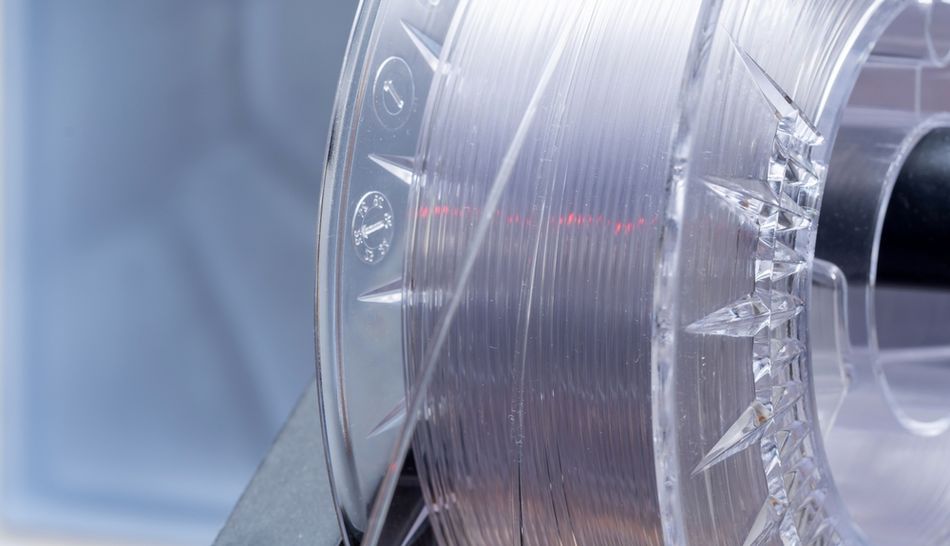
Many manufacturers offer PETG in different formulations tuned for a specific goal rather than simply “strong and easy to print.” Standard PETG remains the baseline: balanced strength, good impact resistance, low warping, and reliable layer adhesion. Clear and translucent versions take advantage of PETG’s natural light transmission for covers, light diffusers, and protective screens. Pigmented PETG focuses on consistent colour and opacity, with higher-end brands maintaining tight batch control so shades remain uniform across spools.
Beyond standard blends, reinforced PETG composites target higher stiffness and structural performance. By adding short carbon fiber or glass fiber, manufacturers significantly increase rigidity and dimensional stability while reducing gloss and shrinkage. These composites print similarly to regular PETG but are abrasive and typically require hardened nozzles. Some formulations are also tuned for speed, UV resistance, food contact, or sustainability, expanding PETG’s use beyond basic prototyping into functional and outdoor applications.
Common PETG Formulations:
Standard PETG: Balanced strength, durability, and printability for everyday functional parts. Example: Prusament PETG by Prusa Research.
Clear / Translucent PETG: High light transmission for windows, covers, and diffusers. Example: PolyLite PETG Clear by Polymaker.
Pigmented PETG: Consistent, opaque colours for visual prototypes and end-use parts. Example: PETG by Hatchbox in its standard colour range.
Carbon Fiber PETG: Increased stiffness and reduced gloss; requires hardened nozzle. Example: PETG-CF by Siraya Tech.
Glass Fiber PETG: Improved rigidity and dimensional stability with slightly smoother finish than CF blends. Example: Fiberlogy PETG-GF by Elegoo.
High-Speed PETG: Modified for higher flow rates and faster print profiles. Example: SUNLU High Speed Matte PETG by SUNLU.
FDA-Compliant PETG: Formulated for food contact or medical-related applications (when processed correctly). Example: PETG Natural by ColorFabb (check certification for specific grades).
UV-Resistant PETG: Includes stabilizers to reduce degradation in sunlight. Example: UV-PETG by IC3D.
Recycled PETG: Made with reclaimed polymer content to lower environmental impact. Example: rPETG by Reflow.
Conclusion
PETG sits in the sweet spot of FDM materials. It offers strong impact resistance, excellent layer adhesion, and solid chemical durability—without the warping and difficulty of higher-temperature engineering plastics. While it’s not built for high-heat environments, it performs reliably for functional parts used at moderate temperatures. With tensile strength typically in the 50–60 MPa range and low shrinkage, PETG is well suited for brackets, enclosures, housings, jigs, and real-world prototypes.
Choosing the best PETG filament comes down to consistency and formulation, not small spec-sheet differences. Prioritize tight diameter tolerance, moisture-resistant packaging, and blends tailored to your needs (standard, high-speed, matte, etc.). Reputable brands like Polymaker, Prusament, Overture, ELEGOO, Creality, Inland, and SUNLU offer dependable options depending on budget and performance goals. Most importantly, experiment with printer settings to find the best configuration for your specific machine; this will often lead to better results than simply switching filaments.
FAQ
What is PETG filament and how does it differ from PET?
PETG is a glycol-modified version of polyethylene terephthalate. The addition of glycol prevents crystallisation, increasing impact strength and lowering the melting point. This makes PETG easier to extrude and more flexible than standard PET.
Is PETG a good 3D printing material for beginners?
PETG can be a good 3D printing material for beginners as it is compatible with most printers. It combines the ease of PLA filament with improved durability, making it useful for functional printed parts. While it may require slightly slower print speed settings to reduce stringing, many high-quality 3D printing filaments made of PETG are available on budget platforms like Amazon.
Is PETG food-safe?
Yes, many PETG formulations are FDA-approved for food contact and are BPA-free. However, the 3D printing process can create micro-voids where bacteria may hide, so post-processing and proper cleaning are important for food-contact parts.
What nozzle and bed temperatures are best for PETG?
For most spools, use a nozzle temperature between 220–260 °C and a bed temperature between 70–90 °C.
Do I need a heated bed to print PETG?
A heated bed is recommended but not mandatory. Most manufacturers advise 70–80 °C to ensure adhesion and prevent warping.
How does PETG compare to PLA and ABS?
PETG has much higher impact resistance and flexibility than PLA and is easier to print than ABS, which requires higher temperatures and often an enclosure. However, ABS offers better high-temperature performance, so parts exposed to heat above 70 °C may require ABS or PC.
How should I store PETG filament?
PETG absorbs moisture from the atmosphere. Store spools in airtight containers with desiccant and dry them at 55–60 °C for several hours before printing. Proper storage reduces stringing and improves layer strength.
Can PETG be used outdoors?
PETG is more UV-resistant than PLA and offers moderate weather resistance but can deform if exposed to prolonged temperatures above 60–70 °C. UV-stabilised PETG formulations improve longevity outdoors.
References
[1] Dupaix RB, Boyce MC. Finite strain behavior of poly (ethylene terephthalate)(PET) and poly (ethylene terephthalate)-glycol (PETG). Polymer. 2005 Jun 17;46(13):4827-38.
[2] Mendenhall R, Eslami B. Experimental investigation on effect of temperature on FDM 3D printing polymers: ABS, PETG, and PLA. Applied Sciences. 2023 Oct 20;13(20):11503.
[3] UltiMaker. How to 3D print clear plastic parts [Internet]. Utrecht (NL): UltiMaker; 2022 [cited 2026 Mar 3].