Featured
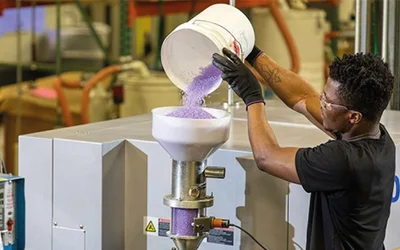
As one of the most durable low-cost filaments, ABS is an essential material for most 3D printer users. But ABS print speed can be a limitation on productivity.
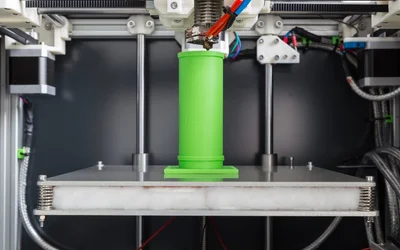
As one of the most durable low-cost filaments, ABS is an essential material for most 3D printer users. But ABS print speed can be a limitation on productivity.
As one of the most durable low-cost filaments, ABS is an essential material for most 3D printer users. But ABS print speed can be a limitation on productivity.
Researchers at Columbia Engineering and the Fashion Institute of Technology team up to create a non-toxic bioleather, inspired by the power of microbes and indigenous science.
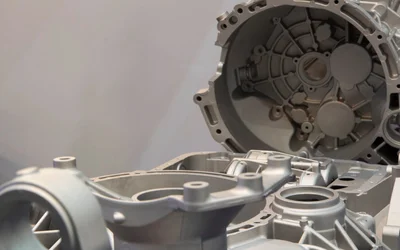
Unlock the potential of aluminum die casting in modern engineering applications through advanced techniques.
12 minutes read.
16 minutes read.
18 minutes read.
14 minutes read.
8 minutes read.


Entertainment
The Next Byte Podcast is hosted by two young engineers - Daniel and Farbod - who select the most interesting tech/engineering cont...
165 Posts

University for science and technology
Freedom and individual responsibility, entrepreneurial spirit and open-min...
43 Posts
Discover how iAM Marketplace simplifies industrial additive manufacturing by unifying materials, validation services, and multi-brand technologies into one open ecosystem for efficient AM sourcing.
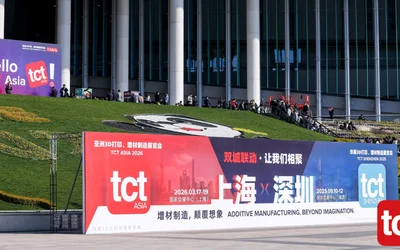
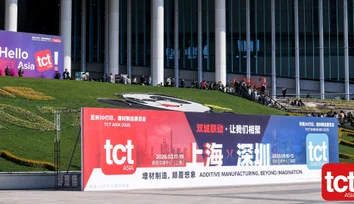
This article discusses what attendees can expect from TCT Asia 2026, including its conference format, focus areas, and the experts contributing to industry-specific discussions.
This article discusses the exhibitors, products, and industrial trends defining additive manufacturing across the Asia-Pacific region at TCT Asia 2026.
This article discusses how the Asia-Pacific region is advancing additive manufacturing and the role of TCT Asia as the leading 3D printing and additive manufacturing event in the Asia-Pacific.
Lightweighting materials play a crucial role in offering the potential for improved fuel efficiency, enhanced performance, and reduced emissions in the automotive industry. It is anticipated that the lighter and more efficient automotive materials and components will revolutionize the industry in the coming years.
As one of the most durable low-cost filaments, ABS is an essential material for most 3D printer users. But ABS print speed can be a limitation on productivity.
A short primer on how to choose PCBA surface finishes

4 minutes read
Researchers at Columbia Engineering and the Fashion Institute of Technology team up to create a non-toxic bioleather, inspired by the power of microbes and indigenous science.
Looking for thermoplastics that can take a solid hit without breaking? Here are five impact-resistant polymers to consider for your next project.

6 minutes read
One of the great plus points of 3D printing is that you can design pretty much any shape or geometry that you want, and Nylon is a great general-purpose material to use. But there are some key considerations to keep in mind when designing nylon parts to make sure you get the parts you want.
3 minutes read
When we choose what to buy, we usually look at the expiration date, brand, quality seals, ingredients, and price. But how do you know if the manufacturer is fully honest – or that the product was properly stored during shipping or while on the shelf?

4 minutes read
One of the biggest advantages of ABS is its ability to be smoothed with acetone, an organic solvent. But how does the smoothing process work and how can you do it safely?
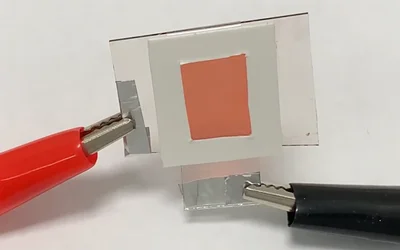
Electrochromic technology enables layers that can change color or become transparent using an electrical current. Compared to other color-changing technologies such as photochromism and thermochromism, electrochromic devices can be perfectly controlled to achieve the desired transparency at any time. While the technology has been discovered almost 50 years ago, only recently have commercial applications emerged, mainly in electrochromic glass for automotive rearview mirrors and airplane windows.

5 minutes read
NanoXplore has been a pioneer in commercialising graphene. Many know it for its ambitious activities in breaking down the cost and availability barrier of graphene by massively scaling up a well-engineered production process. This is a prerequisite for market development but is not sufficient.
Computer simulation methods from NIST help speed up the search for carbon capture materials.
When you ask people to name a few cutting-edge technologies, they’ll probably mention artificial intelligence, quantum computing, autonomous vehicles, perhaps synthetic biology… but probably not welding.

3 minutes read
Inspired by the way termites build their nests, researchers at Caltech have developed a framework to design new materials that mimic the fundamental rules hidden in nature's growth patterns.

4 minutes read
Gas turbines are widely used for power generation and aircraft propulsion. According to the laws of thermodynamics, the higher the temperature of an engine, the higher the efficiency. Because of these laws, there is an emerging interest in increasing turbines’ operating temperature.
Meet companies and researchers working on making steel with renewable energy and fewer emissions.
6 minutes read
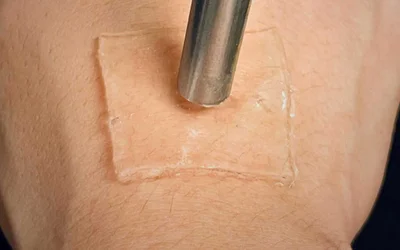
Canadian researchers have discovered that they can stick hydrogel plasters to the skin very effectively using ultrasound. Outi Supponen has now explained the underlying mechanism: imploding bubbles that form within the adhesive located between the plaster and the skin anchor the one on the other.

2 minutes read