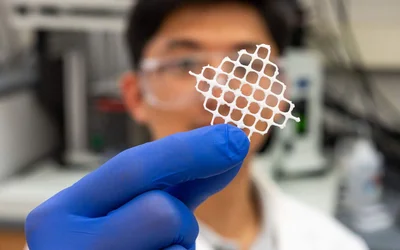
Inspired by naturally-occurring mats and balls of seaweed, researchers have created highly-porous, superadhesive meshes that are capable of capturing both large and small microplastic particles – a longstanding challenge in the field.
Be the first to know.
Get our thermoplastics weekly email digest.
Tagged with
Thermoplastics
Latest Posts
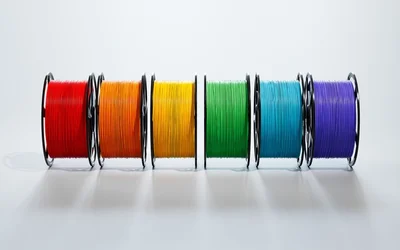
The 3D printer filament market is flooded with choices, but what are the best PETG filaments available to engineers today? Here we look at some of the top brands.

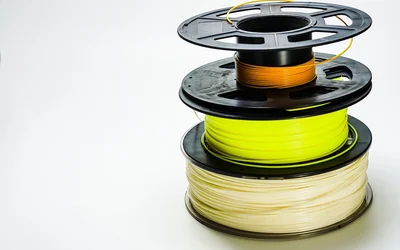
This article looks at how to optimize strength in additive manufacturing and provides a 3D printer filament strength chart for easy material comparison.
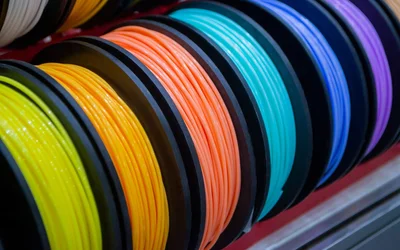
What is 3D printer filament? This guide examines polymers, additives, and composites, offering practical tips for digital design and hardware engineers.
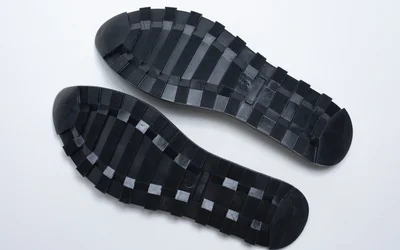
Thermoplastic elastomers can be found in flexible products from wearables to automotive seals. This guide compares TPE vs TPU in terms of properties and applications.
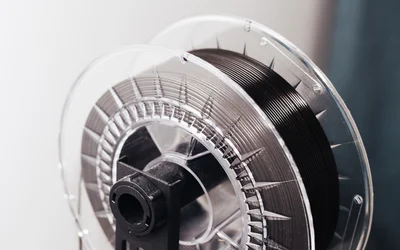
What is ABS filament? This article explores the properties and applications of this robust thermoplastic.

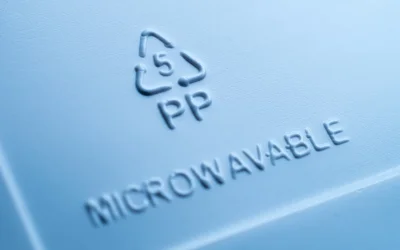
What is polypropylene and why is it the second most popular commodity plastic in the world? Here we look at the science behind PP and its top applications.

Polyamide vs nylon is a matter of classification scope, as nylons are a type of polyamide. Here we look at what makes them different.


What is Mylar film? Here we explore the properties, applications and processing of Mylar (BoPET) polyester film in electrical and electronic engineering.


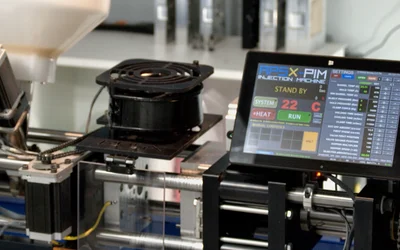
When benchmarked against outsourcing, the desktop machine repays its USD15 k capital outlay in 3 months. The industrial press crosses break even at 5 years.


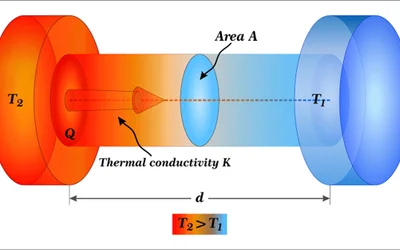
Thermal conductivity is a fundamental concept in heat transfer and is crucial in multiple industries and scientific disciplines. It refers to the ability of a material to conduct heat or the rate at which heat transfers through a substance.

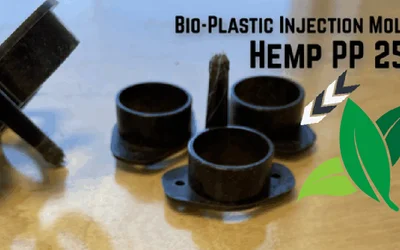
In the pursuit of more eco-friendly production methods, bioplastics have emerged as a promising alternative to traditional petroleum-based plastics.
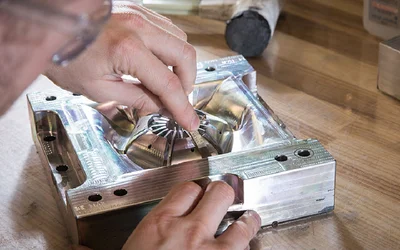
In the dynamic world of manufacturing, small batch injection molding is a game-changer.

Among the numerous factors influencing mold design and production quality, Melt Flow Rate (MFR) stands out as a key characteristic that mold makers must understand and optimize.
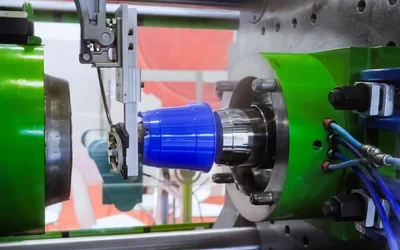
Injection molding problems like sink marks and flash can be prevented by addressing their most common causes. This article serves as a basic troubleshooting guide.