How to Solder Wires: Tools, Techniques, and Best Practices for Reliable Electrical Connections
Soldering wires is the process of joining electrical conductors using a melted filler metal to create strong, low-resistance connections. This guide explains tools, techniques, heat control, materials, common defects, and engineering best practices for reliable electrical connections.

16 Feb, 2026. 19 minutes read
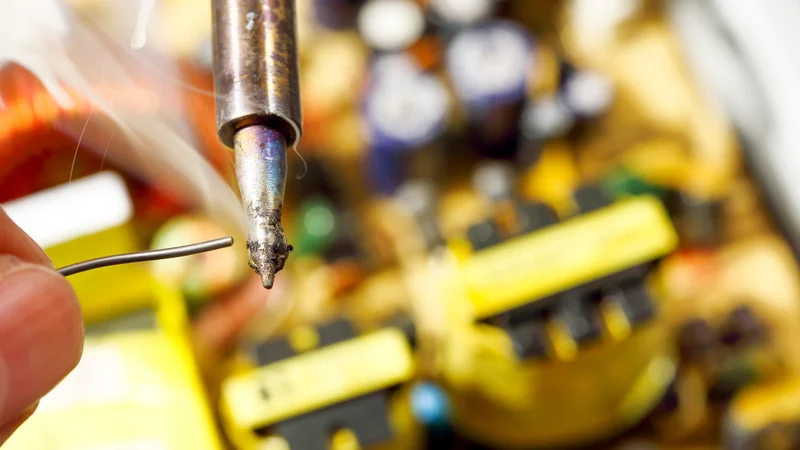
PCKey Takeaways
Soldering wires creates a metallurgical bond, not a mechanical attachment. A reliable solder joint depends on proper wetting, controlled heat transfer, and intermetallic compound formation between solder and copper wire.
Tool selection directly affects joint quality. A temperature-controlled soldering iron, appropriate tip geometry, rosin-core solder or flux core alloys, and clean wire ends are essential for consistent solder connections.
Heat management is critical. Effective heat transfer from the tip of the soldering iron to both conductors ensures proper solder flow while preventing oxidation, pad lifting on a PCB, or insulation damage.
Material compatibility matters. Choosing the correct alloy, whether lead solder or lead-free formulations, affects conductivity, ductility, and long-term reliability in electrical connections.
Preparation determines success. Proper stripping with wire strippers, pre-tinning stranded wires, cleaning with a damp sponge or wet sponge, and applying a small amount of solder correctly reduce defects such as excess solder and cold joints.
Inspection and standards ensure reliability. Following industry guidelines for solder pad coverage, connector termination, splice integrity, and circuit board inspection improves performance in both prototype and production environments.
Introduction
Soldering wires is the process of permanently joining electrical conductors using a filler alloy that melts at a lower temperature than the base metals. Although often introduced through beginner tutorials or DIY projects, the formation of reliable electrical connections in professional environments requires far more than simply heating metal and applying solder. It demands an understanding of metallurgy, heat transfer, oxidation control, and process discipline.
Whether attaching a copper wire to a PCB, terminating a connector, reinforcing a splice in a harness, or repairing a circuit board, the integrity of the solder joint determines long-term performance. Poor technique can result in high resistance, mechanical weakness, intermittent conductivity, or premature failure under vibration and thermal cycling. In contrast, properly controlled solder connections provide durable electrical and mechanical continuity.
Achieving this level of reliability depends on selecting the right tools, including a temperature-controlled soldering iron, using compatible materials such as rosin-core solder or lead-free alloys, and managing how heat is delivered to the joint. The solder must melt because the conductors are sufficiently heated, not because it touches the tip of the soldering iron. This distinction is fundamental to producing consistent results.
Engineers and electronics students must understand that soldering wires is not simply a procedural task. It is a reliability decision. Every variable, from alloy selection and tip geometry to dwell time and heat transfer, influences the microstructure of the solder joint and ultimately the durability of the electrical connections. Small mistakes at the bench can evolve into field failures months or years later.
The Science of a Solder Joint
Soldering wires is often grouped with welding and brazing, but the processes are fundamentally different. Welding fuses base metals by melting them into a single structure. Brazing uses a filler metal that melts above 450°C yet below the melting point of the base materials; the molten filler flows by capillary action and forms a strong joint without melting the parent metal.
Soldering, by contrast, uses an alloy that melts below 450°C, typically between 180°C and 260°C. The base metal remains solid while molten solder wets its surface. This relatively low temperature is what makes soldering ideal for delicate electronics, PCB assemblies, and insulated copper wire that would be damaged by welding or brazing heat.
Wetting and Intermetallic Bond Formation
At the microscopic level, a solder joint forms through wetting and metallurgical bonding. Wetting describes the ability of molten solder to spread uniformly across a clean metal surface. Surface tension resists spreading, but interatomic attraction between tin and copper promotes it.
When solder melts and properly wets the surface, intermetallic compounds such as Cu₆Sn₅ and Cu₃Sn form at the interface. These compounds create the true metallurgical bond that provides both mechanical strength and electrical conductivity. Without proper wetting, solder beads up instead of flowing smoothly, leading to weak solder connections and poor performance.
For beginners, the practical rule is simple: the workpiece, not just the tip of the soldering iron, must heat up sufficiently to allow proper solder flow. If heat transfer is inadequate, the solder solidifies before bonding occurs, producing a cold joint with unreliable conductivity.
For engineers, the concern extends to intermetallic layer thickness. Excessive dwell time or overheating can cause brittle growth at the interface, while insufficient thermal input prevents proper diffusion bonding. Controlled heat transfer is therefore central to long-term reliability.
Flux: Controlling Oxidation and Promoting Wetting
Oxidation is one of the biggest obstacles in soldering wires. Copper and solder alloys oxidize rapidly at elevated temperatures, preventing proper wetting and interfacial bonding. Flux removes surface oxides and shields the metal from further oxidation during heating.
Flux types include:
Rosin (R, RMA, RA) - Derived from natural rosin. Mildly activated formulations are suitable for lightly oxidized surfaces and leave relatively benign residue.
No-Clean - Leaves minimal, non-conductive residue and often eliminates post-solder cleaning. Common in modern electronics manufacturing.
Water-Soluble - Contains stronger organic activators that aggressively remove oxides. Residues must be cleaned due to potential corrosion.
Flux may be applied separately in liquid, paste, or gel form, but many wire solder products contain a flux core or rosin-core solder design that automatically delivers flux as the solder melts. Selecting the correct flux depends on surface condition, cleaning requirements, and reliability standards.
Solder Alloys and Melting Behavior
Historically, lead solder based on tin–lead (Sn–Pb) alloys dominated electronics assembly. The eutectic composition (63% tin, 37% lead) melts sharply at 183°C, offers excellent wetting, and is easy to control. However, environmental and health regulations such as RoHS have driven widespread adoption of lead-free alternatives.
A common lead-free alloy is SAC305 (Sn-3.0Ag-0.5Cu), which melts around 217–219°C. Because of the higher melting range, lead-free processes require higher soldering iron temperatures, typically 343–371°C compared with 315–343°C for tin–lead systems.
Alloy selection affects wetting behavior, mechanical strength, thermal fatigue resistance, and flux requirements. Engineers must balance regulatory compliance with performance needs, particularly in high-reliability or thermally demanding applications.
Solder Wire Diameter and Conductor Size
Solder wire is manufactured in diameters ranging from approximately 0.38 mm to 3.18 mm. Fine diameters (≤0.5 mm) are suited to precision work on small PCB pads and fine wire ends, while thicker diameters (≥1.2 mm) are appropriate for higher-current joints such as power leads or automotive electrical connections.
Conductor size also influences joint performance. The American Wire Gauge (AWG) system correlates diameter with current capacity. For example, AWG 20 copper wire has a diameter of approximately 0.81 mm and is rated around 11 A for chassis wiring. In prototyping and lab environments, AWG 22–24 stranded wires are common due to their flexibility and manageable current capacity.
Wire Construction and Insulation Considerations
Stranded wires consist of multiple fine conductors twisted together. They provide flexibility and vibration resistance but require careful preparation to prevent splaying at the wire ends. Pre-tinning stranded wires ensures uniform current distribution and improved solder flow. Solid wire, while easier to insert into breadboards and connectors, is more rigid and susceptible to fatigue under repeated bending.
Insulation selection is equally critical. PVC is common but softens at relatively low temperatures. Cross-linked polyethylene (XLPE) offers improved thermal tolerance up to approximately 125°C. Silicone rubber insulation remains flexible at low temperatures and withstands soldering heat up to 200–250°C, making it ideal for repeated soldering operations. High-temperature materials such as PTFE (Teflon), mica-taped constructions, or glass-braid insulation are used in aerospace, industrial, and high-heat environments.
Selecting insulation rated well above the intended soldering temperature prevents melting, charring, and compromised mechanical support near the solder joint.
Recommended reading: How to Solder Wires: Comprehensive Guide for Engineers
Tools and Materials
Producing reliable solder connections requires more than melting alloy onto a joint. Proper tools ensure controlled heat transfer, prevent oxidation, and allow precise solder flow. Whether working on a PCB, assembling a connector, or reinforcing a splice, equipment selection directly affects quality and repeatability.
Soldering Irons and Stations
A soldering iron delivers heat to the joint. Pencil irons provide fixed wattage (15–60 W) and are suitable for occasional work, while soldering stations offer adjustable temperature control, interchangeable tips, and precise thermal stability. Engineers often use 40–60 W adjustable irons for wire soldering, enabling them to accommodate different alloy melting points. Portable gas‑powered or battery‑powered irons are useful in the field but lack precise temperature control.
Tip Selection and Maintenance
The shape of the soldering tip influences heat transfer. Conical tips provide precision for fine conductors (AWG 28–32), while chisel or bevel tips offer greater contact area for AWG 14–20 wires, connectors, and terminal splices. Tips are typically iron‑ and nickel‑plated to reduce erosion. Regular cleaning on a damp sponge or brass wool prevents oxidation and ensures consistent heat transfer. Worn or oxidized tips should be replaced; a dirty tip leads to poor wetting and cold joints.
Solder Wire and Flux
Engineers choose between flux‑core solder and solid solder wire. Flux‑core solder contains rosin or no‑clean flux in its core and is convenient for routine hand soldering. Solid wire solder requires separate flux application and is used when a specific flux type or amount must be controlled. Lead‑free solder such as SAC305 is now dominant due to RoHS compliance, while eutectic Sn‑63/Pb‑37 remains easier to work with but contains toxic lead. Flux pens (no‑clean or water‑soluble) and paste are available for rework; flux selection should follow J‑STD‑004 classifications and any product requirements.
Wires, Heat‑Shrink Tubing, and Accessories
Proper wire preparation requires wire strippers, cutters, and pliers. Heat‑shrink tubing insulates and provides strain relief after soldering; engineers slide it onto the wire before soldering and shrink it with a heat gun afterwards. Desoldering braid, or solder wick, removes excess solder by wicking it into a copper braid heated with the iron. A solder sucker (vacuum pump) can quickly remove solder from through-hole joints. Helping hands or alligator clips hold wires in place and protect fingers from burns. A heat‑resistant work mat protects the work surface.
Personal Protective Equipment and Safety Gear
Soldering exposes workers to lead dust, rosin fumes, and high temperatures. Engineers should use a fume extractor or work near a ventilated hood to capture flux vapors. Safety glasses or a face shield protect eyes from splashes. Washing hands after soldering prevents ingestion of lead or flux residues. Heat‑resistant gloves and a stable iron stand prevent burns. Adhering to these practices minimizes health risks and accidents.
Preparing Wires for Soldering
Reliable soldering of wires begins long before the solder melts. Proper preparation of conductors, surfaces, and insulation ensures strong wetting, optimal conductivity, and long-term mechanical stability.
Stripping and Inspecting the Wire Ends
Using precision wire strippers, remove only the necessary insulation length, typically 3–6 mm for most electronic applications. Avoid nicking or cutting into the copper wire, as even small damage can reduce mechanical strength and current-carrying capacity.
After stripping, inspect the wire ends carefully. For stranded wires, ensure all strands remain intact and evenly grouped. Spread or broken strands compromise both conductivity and joint integrity. Gently twist stranded wires to maintain a compact profile before tinning.
If oxidation is visible, indicated by darkened or dull copper, the conductor should be lightly cleaned or fluxed before proceeding.
Tinning the Conductors
Tinning is the process of coating exposed copper with a thin layer of solder before final assembly. Properly tinned wire improves heat transfer during final joining and ensures uniform solder flow.
To tin a conductor:
Heat the wire with the soldering iron.
Apply solder to the heated copper, not directly to the tip.
Allow a small amount of solder to wick evenly through the strands.
The goal is to create a smooth, thin coating without excess solder buildup. Overloading the conductor can stiffen stranded wires and create stress points near the insulation.
A properly tinned wire appears evenly coated and maintains the original strand structure without forming a bulky mass.
Preparing a PCB or Connector
When soldering wires to a PCB, ensure the solder pad is clean and free of oxidation or residue. If necessary, apply a small amount of flux before heating.
For connector terminations or a splice between two conductors, mechanical positioning should be secured before applying heat. In a Western Union splice, for example, the wires are mechanically wrapped together before soldering. This mechanical reinforcement reduces strain on the solder joint.
Good preparation ensures the final solder connections provide both electrical and mechanical continuity.
Managing Color Coding and Identification
In multi-conductor assemblies, maintaining proper color coding prevents wiring errors and simplifies troubleshooting. Engineers and students should verify polarity and signal assignment before soldering wires, especially when working on a circuit board or harness assembly.
Correct identification before soldering avoids costly rework and protects sensitive components from reverse polarity damage.
Pre-Positioning Insulation and Strain Relief
Before completing a splice or connector joint, slide heat shrink tubing over one conductor. After the joint cools, the tubing can be positioned and shrunk using a heat gun to provide insulation and strain relief.
Electrical tape may be used in temporary repairs, but heat shrink tubing offers superior durability and environmental protection.
Step-by-Step: How to Solder Wires Properly
The objective when soldering wires is to create a mechanically stable, electrically reliable solder joint with minimal thermal stress and no excess solder. The following workflow applies whether joining stranded wires in a splice, attaching a conductor to a PCB, or terminating a connector.
Step 1: Secure and Stabilize the Work
Movement during solidification weakens solder connections. Use a helping hand, a vise, or a PCB holder to stabilize components. Ensure the conductors are mechanically positioned before heating.
For a splice, interlock or wrap the wires together first. For PCB work, insert the tinned wire through the solder pad and slightly bend it to hold position.
Step 2: Heat the Joint, Not the Solder
Place the tip of the soldering iron so it contacts both conductors simultaneously. Effective heat transfer requires physical contact with the copper wire and pad or opposing conductor.
Allow the joint to heat up for one to two seconds before introducing solder. The goal is for the solder to melt because the metals are hot, not because it touches the iron.
This distinction ensures proper solder flow and metallurgical bonding.
Step 3: Apply Solder to the Heated Joint
Once the joint reaches temperature, apply solder to the opposite side of the heat source. If the temperature is correct, the solder melts instantly and flows toward the heat.
Use only a small amount of solder, just enough to form a smooth, concave fillet around the conductors. Excess solder does not improve strength and can reduce inspection clarity, increase stress concentration, or create bridging on a PCB.
For stranded wires, ensure the solder wicks evenly between strands without forming a rigid lump.
Step 4: Remove Heat and Allow Controlled Cooling
After sufficient solder flow occurs, remove the solder first, then the iron. Allow the solder joint to cool naturally without movement.
Disturbing the joint before solidification can produce a dull, grainy surface, a classic cold joint associated with reduced conductivity and mechanical weakness.
Step 5: Inspect the Joint
A properly formed solder joint should:
Appear smooth and evenly wetted
Show no cracks or voids
Contains no visible oxidation
Avoid excessive buildup or overflow
With lead solder, the surface is typically shiny. Many lead-free alloys appear slightly matte but should still exhibit a uniform texture.
On a circuit board, verify that the solder pad is fully wetted and that no adjacent pads are bridged.
Step 6: Apply Insulation and Strain Relief
After the joint cools, position heat-shrink tubing over the exposed conductor and shrink it evenly using a heat gun. This protects against short circuits and mechanical fatigue.
For temporary field repairs, electrical tape may be used, but for permanent installations, use properly fitted heat-shrink tubing.
Common Mistakes and Failure Mechanisms in Soldering Wires
Even with the correct tools, defects can occur when process control is inconsistent. Understanding why solder connections fail allows both beginners and engineers to prevent long-term reliability issues.
Cold Joints and Incomplete Wetting
A cold joint forms when the conductors do not reach sufficient temperature for proper solder flow. In this case, the solder melts from contact with the iron but does not properly wet the copper wire or solder pad.
Symptoms include:
Dull or grainy appearance
Poor mechanical strength
Increased electrical resistance
Intermittent conductivity under vibration
Root cause: insufficient heat transfer, premature removal of the soldering iron, or excessive oxidation on the metal surface.
Oxidation-Related Defects
Oxidation is one of the most common causes of weak solder connections. When copper oxidizes, solder cannot properly bond to the surface. Even if the joint appears complete, the metallurgical interface may be compromised.
Oxidation problems often arise from:
Dirty or untinned iron tips
Prolonged heating without flux
Contaminated PCB surfaces
Old or improperly stored wire solder
Proper flux activity and regular tip cleaning prevent most oxidation-related failures.
Excess Solder and Bridging
Using excess solder does not strengthen a joint. Instead, it can:
Create solder bridges between adjacent pads on a PCB
Hide poor wetting beneath large fillets
Increase stress concentration at the joint
Make inspection more difficult
A properly formed solder joint uses only enough alloy to create full wetting and a smooth contour. Excess solder is often a sign of poor process control or overcompensation for inadequate heating.
Overheating and Thermal Damage
Excessive dwell time or excessive temperature can damage:
The solder pad (lifting from the circuit board)
Component leads
Wire insulation
Internal structure of stranded wires
Overheating can also accelerate intermetallic compound growth, making the solder joint brittle over time. Lead solder is generally more forgiving than many lead-free alloys, but both systems require controlled temperature management.
Recommended reading: Soldering Temperature: Optimizing Heat for Reliable Electronic Assemblies
Poor Splice Mechanics
When creating a splice between two wires, relying solely on solder without mechanical interlocking reduces durability. Movement or vibration can fatigue the joint.
For high-reliability assemblies, the conductors should be mechanically secured before soldering wires. The solder then reinforces, not replaces, the structural bond.
Insufficient Strain Relief
Many solder failures occur not at the joint itself, but at the boundary between rigid soldered sections and the flexible conductor. If heat shrink tubing or other strain relief is not applied, cyclic bending concentrates stress at the edge of the solder joint.
Over time, this can fracture the conductor despite excellent initial conductivity.
Troubleshooting and Avoiding Common Errors
Even experienced engineers and technicians encounter issues when soldering wires. The table below summarizes common solder joint defects, their symptoms, root causes, and corrective actions.
Issue | Symptoms | Cause | Solution |
Cold Joint | Dull, grainy surface; weak mechanical strength; poor conductivity | Insufficient heat transfer, movement during cooling, oxidation on copper wire or solder pad | Reheat the joint until proper solder flow occurs, apply flux if needed, and keep the joint completely still while cooling |
Solder Bridge / Excess Solder | Large blob of solder or unintended connection between adjacent PCB pads | Too much solder, uneven heating, and applying solder directly to the iron | Use desoldering braid or a pump to remove excess solder, then reheat and apply a small amount of solder properly |
Overheating | Lifted solder pad, melted insulation, discoloration of the circuit board | The iron temperature is too high or applied for too long | Lower the soldering iron temperature or use a larger tip to improve heat transfer and reduce dwell time |
Dirty or Oxidized Iron Tip | Solder will not wet the tip; inconsistent solder flow | Oxidation buildup or contamination on the tip of the soldering iron | Clean on a damp sponge or brass wool and keep the tip properly tinned between joints |
Poor Wetting | Solder beads instead of spreading smoothly | Dirty or oxidized copper, insufficient flux activity | Clean the surface, apply fresh flux, and ensure the joint heats evenly before applying solder |
Mixed Metallurgies | Brittle or cracked solder joint over time | Mixing different solder alloys (e.g., lead solder with lead-free residues) | Remove old solder completely and re-tin using a single compatible alloy before final assembly |
Damaged Strands (“Birdcaging”) | Spread or broken strands on stranded wires | Improper stripping, over-twisting, or pulling insulation | Use quality wire strippers, twist strands gently, and pre-tin to stabilize before soldering |
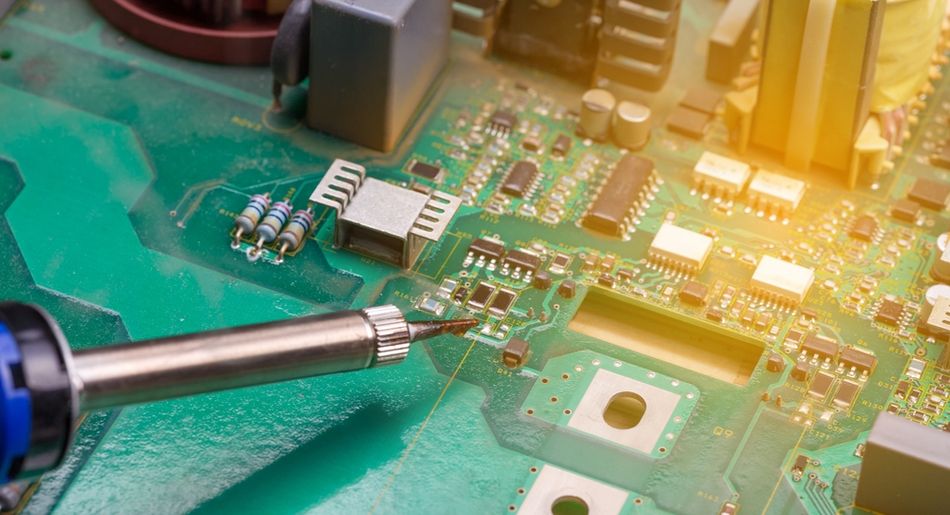
Safety Considerations in Soldering
Soldering wires involves high temperatures, chemical fluxes, and the potential for electrical hazards. Proper safety practices protect personnel and ensure that soldered electrical connections are reliable and compliant with standards.
Lead Exposure and Flux Fumes
Many solders, particularly lead solder and some rosin-core solder, release harmful fumes when heated. Lead can be ingested through hand-to-mouth contact or inhaled as dust, while rosin flux fumes can irritate the respiratory system.
Best practices:
Work in a well-ventilated area or use a fume extractor.
Avoid eating or drinking near the workstation.
Wash your hands thoroughly after handling solder or flux.
When possible, use lead-free solder for educational or DIY projects to reduce toxic exposure.
Burns and Hot Surfaces
The tip of the soldering iron, heat gun, and recently soldered wire ends can exceed 300 °C. Accidental contact can cause severe burns.
Best practices:
Always place the soldering iron in a stable stand when not in use.
Use heat-resistant gloves or finger cots for extra protection.
Avoid touching heated solder joints immediately after soldering.
Keep a damp sponge or wet sponge nearby for tip cleaning, but never use it to cool joints directly by hand.
Electrical Shock Hazards
Soldering irons are powered tools, sometimes operating at mains voltage. Improper grounding or damaged insulation can pose a shock risk.
Best practices:
Use irons with proper grounding and double insulation.
Inspect wires, soldering iron cords, and connectors regularly.
Avoid working on live circuits unless the design specifically permits safe soldering under power.
Workspace Practices
A safe and organized workspace reduces accidents and improves soldering quality:
Keep the area free of flammable materials.
Tie back long hair and avoid loose clothing near soldering equipment.
Use a heat-resistant mat under soldering stations.
Apply electrical tape or heat shrink tubing to exposed connections after soldering to prevent shorts and maintain insulation.
Strain Relief and Mechanical Safety
Soldered joints are only as strong as the support provided to the wire ends. Movement or vibration can stress the solder joint and lead to fractures:
Slide heat shrink tubing onto the wire ends before soldering.
Provide mechanical strain relief using clamps or cable ties where necessary.
For splices, ensure stranded wires are pre-twisted and tinned before soldering.
By following these safety considerations, engineers and students can solder wires effectively while minimizing risk to health, equipment, and circuit reliability.
Industry Standards and Best Practices
Professional engineers and technicians follow strict standards to ensure that soldered electrical connections are reliable, durable, and compliant with industry requirements. Adhering to best practices minimizes defects such as cold joints, oxidation, and weak mechanical connections.
Key Standards
Standard | Focus Area | Key Points |
IPC‑J‑STD‑001 | Requirements for soldered electrical and electronic assemblies | Specifies materials, flux types, soldering temperatures, pre-tinning, acceptable joint shapes, and inspection criteria. |
IPC‑WHMA‑A‑620 | Wire harness and cable assembly requirements | Covers wire preparation, stripping, crimping, soldering, splices, connector attachments, and insulation standards. |
NASA & Aerospace Guidelines | High-reliability assemblies | Requires tinned stranded wires, controlled heat transfer, proper flux-core usage, and rigorous post-solder inspection. |
Best Practices for Reliable Solder Connections
1. Wire Preparation
Strip insulation carefully using quality wire strippers, avoiding nicked or damaged strands.
Pre-tin stranded wires with a small amount of solder to improve solder flow and ensure a strong solder joint.
Slide heat shrink tubing onto wires before soldering for strain relief.
2. Tip and Heat Management
Match the tip of the soldering iron to the size of the conductor or solder pad.
Maintain proper temperature for lead solder or lead-free alloys to optimize heat transfer without overheating insulation.
Avoid prolonged contact, which can lift pads on a PCB or damage copper wire.
3. Solder Application
Use the correct flux-core solder for the wire and surface condition.
Feed solder onto the joint, not directly onto the iron tip, to ensure consistent solder flow.
Avoid excess solder to prevent bridging or cold joints.
4. Connector and Splice Integrity
For splices, twist stranded wires together before soldering.
Ensure connectors are fully filled with solder for complete wetting.
Inspect tinned wire to confirm uniform coverage.
5. Inspection and Testing
Visual inspection: shiny, concave solder joints indicate proper wetting and metallurgical bonding.
Electrical testing: Check conductivity and continuity using a multimeter.
Mechanical testing: Gently tug wires to confirm strain relief and joint strength.
6. Cleaning and Post-Solder Care
Remove corrosive flux residues if using water-soluble flux; no-clean flux may remain if allowed.
Apply electrical tape or additional heat shrink tubing for insulation where needed.
Document soldering process parameters and inspection results to comply with IPC or internal QA standards.
Recommended reading: Solderability Test - Principles, Methods, and Applications in Electronics Manufacturing
Temperature Guidelines
Alloy | Recommended Iron Temperature | Notes |
Tin‑Lead (Sn‑63/Pb‑37) | 315–343 °C (600–650 °F) | Quick melting, easy wetting, classic educational use. |
Lead-Free (SAC305, Sn‑3.0Ag‑0.5Cu) | 343–371 °C (650–700 °F) | Requires active flux-core; higher thermal mass may need longer heat-up time. |
Following these industry standards and best practices ensures soldering wires results in high-quality, durable solder joints, whether on a PCB, in connectors, or for DIY and professional applications.
Advanced Techniques and Modern Trends
The soldering landscape continues to evolve rapidly as global manufacturing pushes toward higher performance, greater automation, and stricter environmental compliance. Engineers and technicians working on soldering wires must understand not just traditional hand techniques but also how modern technologies and industry shifts are shaping the field.
Lead‑Free Solder Adoption and Alloy Innovation
Environmental regulations such as the RoHS (Restriction of Hazardous Substances) directive have driven a major shift away from traditional lead solder toward lead‑free alloy systems. Today, lead‑free solders account for over 98% of electronics manufacturing use, a rate driven by regulatory compliance and industry best practices rather than hobbyist preference.
The dominant lead‑free alloy remains tin‑silver‑copper (e.g., SAC305), prized for its balance of wetting ability and mechanical robustness. In 2024, lead‑free solder alloys comprised over 75% of total solder material consumption globally, with tin‑silver‑copper systems accounting for the majority share.
Market intelligence also shows growing interest in specialty alloys that offer lower melting temperatures or improved ductility for sensitive applications. Low‑temperature alloys containing bismuth or indium are emerging in niche sectors such as medical devices and flexible electronics, where minimizing thermal stress can protect delicate components, though they still represent a smaller percentage of overall usage compared to SAC alloys.
Solder Paste and Surface‑Mount Evolution
Solder paste remains a critical material for surface‑mount technology (SMT), where components are placed on a PCB and reflowed in a controlled oven. The global solder paste market is projected to grow from an estimated USD 1.89 billion in 2025 to USD 2.21 billion by 2030, with lead‑free formulations capturing roughly 74 % of revenue due to regulatory compliance and broad SMT adoption.
No‑clean solder pastes now account for a significant share because they reduce the need for post‑reflow cleaning, while water‑soluble options are growing in industries that demand confirmable ionic cleanliness after soldering. Ultra‑fine powder paste formulations enable high throughput and fine‑pitch assemblies used in modern electronics with 0.3 mm or tighter pitch.
Automation, Robotics, and Digital Process Control
Manual soldering remains essential for prototyping and field repairs, but automated and digital systems dominate high‑volume manufacturing. Automated selective soldering, often guided by machine vision and programmed thermal profiles, is projected to reach approximately USD 246.6 million by 2035, expanding at about 4.2 % CAGR as electronics miniaturization and precision assembly requirements increase.
Other advanced techniques include:
Robotic soldering for repeatable, high-throughput reliability.
Laser soldering for localized heating with minimal thermal impact.
Induction heating for precise thermal delivery without direct contact.
In‑line monitoring and IoT connectivity for real‑time quality metrics.
According to recent industry surveys, over 72% of manufacturers now use some form of automated soldering system to improve process repeatability and reduce defect rates.
Recommended reading: Solder Reflow: An In-Depth Guide to the Process and Techniques
Industry Outlook
The broader soldering materials market reflects sustained demand from electronics manufacturing. As of 2024, the total soldering materials market was valued at around USD 11.8 billion, with continued growth expected at a roughly 5.2 % CAGR through 2030.
Lead-free adoption, SMT proliferation, and hybrid manufacturing (crimp + solder in wire harnesses) all contribute to this trajectory. Automotive electronics, consumer devices, and industrial automation remain major drivers, with Asia‑Pacific leading global consumption due to extensive PCB assembly and electronics export infrastructure.
Conclusion
Soldering wires is both a foundational skill and a precision craft that combines materials science, engineering principles, and hands-on technique. Understanding the differences between soldering, welding, and brazing, mastering wetting, flux usage, and intermetallic bonding, and choosing the right solder alloys, wire types, and insulation are critical for creating durable and reliable electrical connections.
For engineers, technicians, and students, success comes from careful preparation, proper tool selection, including a well-maintained soldering iron, heat gun, and wire strippers, and consistent adherence to industry standards and safety best practices. Modern trends like lead-free solder adoption, solder paste for SMT, and automated soldering systems demonstrate that soldering is evolving with technology, offering improved reliability, efficiency, and environmental compliance.
By following these guidelines, avoiding common pitfalls like cold joints, oxidation, and excess solder, and applying advanced techniques where appropriate, anyone can achieve strong, conductive, and long-lasting solder connections. Whether you’re tackling a DIY project or working on high-performance electronics, mastering soldering ensures your circuits perform safely and efficiently, making it an indispensable skill for every electrical professional.
Frequently Asked Questions (FAQ)
1. Why should I pre‑tin wires before soldering?
Pre‑tinning coats wire ends with solder, improving solder flow, reducing heating time, and preventing insulation damage. It also ensures stronger, more reliable solder joints and consistent electrical connections.
2. What temperature should I use when soldering wires?
For lead solder, set your soldering iron to 315–343°C (600–650°F). For lead-free alloys like SAC305, 343–371°C (650–700°F) is ideal. Larger copper wires or stranded wires require slightly more heat due to their thermal mass.
3. How do I choose the right solder wire diameter?
Use fine rosin-core solder (0.5 mm or less) for small wires or PCB pads, and thicker solder (1.2–1.6 mm) for high-current joints or wire splices. The correct diameter ensures proper solder flow without creating excess solder.
4. Are lead-free solders as reliable as lead-based solders?
Yes. Modern lead-free solder produces reliable solder connections when paired with the right flux core and tip of the soldering iron technique. Many industries now mandate lead-free materials for environmental compliance.
5. How can I avoid cold joints?
Ensure surfaces are clean, apply flux, pre-tin wires and pads, and maintain steady heat until the solder melts and forms a shiny, smooth solder joint. Avoid moving the wire while the solder cools.
6. What is the difference between flux and solder paste?
Flux is a chemical agent that cleans metal surfaces and promotes wetting during soldering. Solder paste contains powdered solder alloy and flux for surface-mount technology (SMT), providing both metal and flux in one step for efficient assembly.
7. Can I solder wires carrying high currents?
Yes, but use appropriately sized conductors (lower AWG numbers), thicker wire solder, and a larger soldering iron tip for adequate heat transfer. Apply heat shrink tubing or electrical tape for insulation and strain relief, and consider crimped connectors for very high-current applications.
8. What tools are essential for beginners?
At minimum: a temperature-controlled soldering iron, wire strippers, a heat gun, tinned wire, rosin-core solder, and a damp sponge for tip cleaning. These allow DIY soldering wires safely and effectively.
References
[1] IPC, J-STD-001: Requirements for Soldered Electrical and Electronic Assemblies. Bannockburn, IL, USA: IPC, 2020.
[2] IPC/WHMA, IPC/WHMA-A-620: Requirements and Acceptance for Cable and Wire Harness Assemblies. Bannockburn, IL, USA: IPC, 2022.
[3] R. Strauss, SMT Soldering Handbook: Surface Mount Technology, 2nd ed. Boston, MA, USA: Butterworth-Heinemann, 1998.
[4] IPC, IPC-HDBK-001 Handbook and Guide to IPC Standards. Bannockburn, IL, USA: IPC, 2019.
[5] A. Altium, “How to solder wires: Comprehensive guide for engineers,” Wevolver, 2023. [Online]. Available: https://www.wevolver.com/article/how-to-solder-wires-comprehensive-guide-for-engineers
in this article
1. PCKey Takeaways2. Introduction3. The Science of a Solder Joint4. Tools and Materials5. Preparing Wires for Soldering6. Step-by-Step: How to Solder Wires Properly7. Common Mistakes and Failure Mechanisms in Soldering Wires8. Troubleshooting and Avoiding Common Errors9. Safety Considerations in Soldering10. Industry Standards and Best Practices11. Advanced Techniques and Modern Trends12. Conclusion13. Frequently Asked Questions (FAQ)