Featured
The most common plastic in the world, but can it be 3D printed? The answer is not as straightforward as you may think.
The most common plastic in the world, but can it be 3D printed? The answer is not as straightforward as you may think.
The most common plastic in the world, but can it be 3D printed? The answer is not as straightforward as you may think.
In this episode, we talk about a novel approach to multi-material 3D printing that’ll enable the production of soft components capable of contracting in a similar fashion to muscles.
EPFL researchers have published a method for 3D-printing an ink that contains calcium carbonate-producing bacteria. The 3D-printed mineralized bio-composite is unprecedently strong, light, and environmentally friendly, with a range of applications from art to biomedicine.
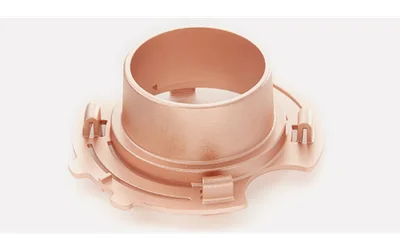
Unlock the potential of aluminum die casting in modern engineering applications through advanced techniques.
12 minutes read.
16 minutes read.
18 minutes read.
14 minutes read.
8 minutes read.


Entertainment
The Next Byte Podcast is hosted by two young engineers - Daniel and Farbod - who select the most interesting tech/engineering cont...
165 Posts

University for science and technology
Freedom and individual responsibility, entrepreneurial spirit and open-min...
43 Posts
Discover how iAM Marketplace simplifies industrial additive manufacturing by unifying materials, validation services, and multi-brand technologies into one open ecosystem for efficient AM sourcing.
This article discusses what attendees can expect from TCT Asia 2026, including its conference format, focus areas, and the experts contributing to industry-specific discussions.
This article discusses the exhibitors, products, and industrial trends defining additive manufacturing across the Asia-Pacific region at TCT Asia 2026.
This article discusses how the Asia-Pacific region is advancing additive manufacturing and the role of TCT Asia as the leading 3D printing and additive manufacturing event in the Asia-Pacific.
Lightweighting materials play a crucial role in offering the potential for improved fuel efficiency, enhanced performance, and reduced emissions in the automotive industry. It is anticipated that the lighter and more efficient automotive materials and components will revolutionize the industry in the coming years.
The most common plastic in the world, but can it be 3D printed? The answer is not as straightforward as you may think.
In this episode, we talk about a novel approach to multi-material 3D printing that’ll enable the production of soft components capable of contracting in a similar fashion to muscles.

EPFL researchers have published a method for 3D-printing an ink that contains calcium carbonate-producing bacteria. The 3D-printed mineralized bio-composite is unprecedently strong, light, and environmentally friendly, with a range of applications from art to biomedicine.

3 minutes read
Nearly a decade ago, researchers heralded the discovery of a new wonder class of ultrathin materials with special optical and electrical properties that made it a potential rival for graphene, a form of carbon discovered in 2004 whose own special properties interest both scientists and engineers.

3 minutes read
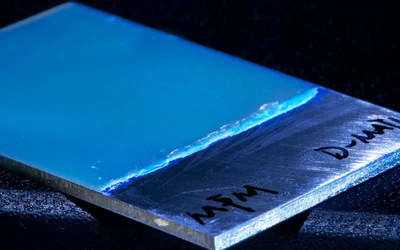
ETH Zurich researchers have developed an extraordinary protection against corrosion after a chance discovery. It glows in places where it is not damaged, repairs itself – and can be reused multiple times.

4 minutes read
The benefits of flexible materials come with challenges when it comes to post-processing.

11 minutes read
A research team at the Technical University of Munich (TUM) has discovered a material class with above-average conductivity. This is a decisive step forward in the development of high-performance solid-state batteries. Investigations conducted at the Research Neutron Source Heinz Maier-Leibnitz (FRM II) made an essential contribution to the discovery.
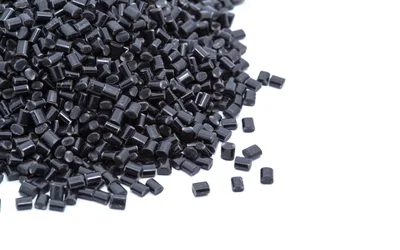
Here's what you need to know about nylon (glass-filled), from material properties, to manufacturing processes, to applications, and more.
Parts turning to piles of rust? These materials can help you avoid the scourge of corrosion.

6 minutes read
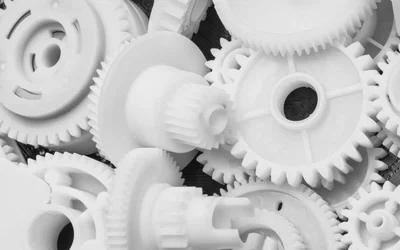
Here’s what you need to know about Delrin, a high-performance POM thermoplastic with exceptional strength, durability, and temperature resistance.
Rotational multimaterial printing of helical filaments for soft robotics and structural composites

3 minutes read
Their technique could allow chip manufacturers to produce next-generation transistors based on materials other than silicon.
Sang-Hoon Bae, international collaborators create new materials for next-generation electronics
Choosing a material for new Medical Device Development can have a major influence throughout your medical device life cycle, from design, prototyping, testing, regulatory approvals, and mass production to commercialization and even disposal. Every material has certain characteristics, which should be in consistent with the properties of the medical device as well as final applications.

2 minutes read
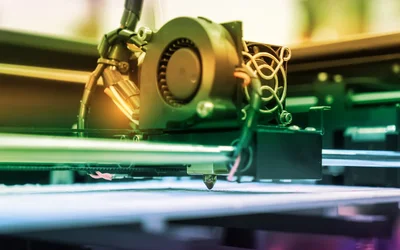
Understanding the differences and benefits of direct drive and bowden extrusion systems.