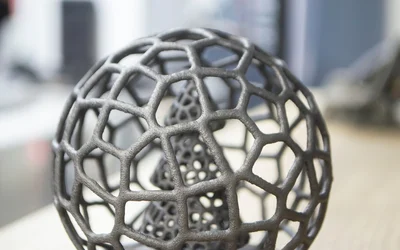
Here we explore how Multi Jet Fusion (MJF) 3D printing combines powder bed fusion and ink jetting to produce strong, isotropic parts with exceptional efficiency.
Technical Guides
Latest Posts


Master what is GDDR6 memory with our comprehensive engineering guide covering architecture, performance formulas, design techniques and applications. Learn how dual channel architecture and 16 Gb/s per pin data rates empower GPUs, FPGAs and AI accelerators.


This technical article explains, what is HBM, detailing its 3D-stacked architecture, the critical role of advanced packaging, and its application in modern GPUs, AI accelerators, and embedded systems.

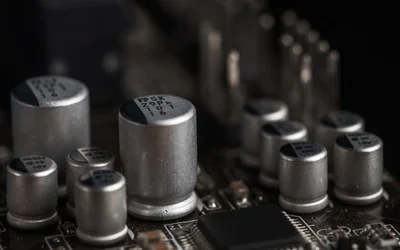
A technical deep dive into the NMOS symbol, working, and device behavior, contribution in analog design and advanced NMOS technologies in the modern age.


Discover key differences in GDDR6 vs GDDR6X memory: compare bandwidth, power efficiency, signaling methods, and design trade-offs for advanced GPU architectures.

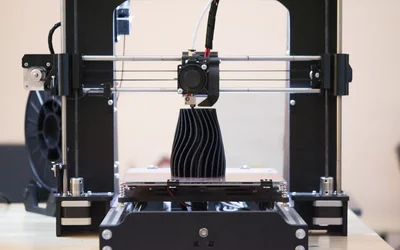
Discover the FDM printer meaning in practical terms, exploring how fused deposition modeling works and why it remains one of the most widely used technologies today.
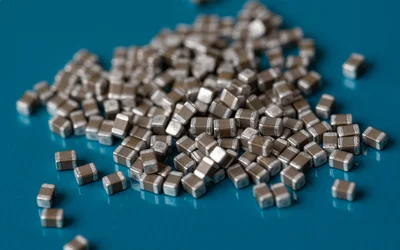
This guide delves into X5R vs X7R multilayer ceramic capacitors (MLCCs), explaining the physics, design trade-offs, and how to choose the right dielectric for modern digital and analog circuits.
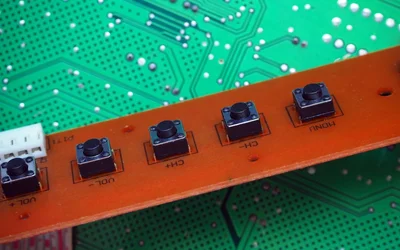
Understanding the differences between Single Pole Single Throw (SPST), Single Pole Double Throw (SPDT), and Double Pole Double Throw (DPDT) switches is essential for designing reliable hardware. This article explains the theory behind these switching configurations and practical implementations.

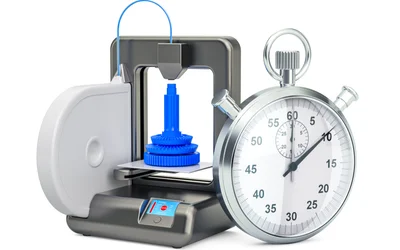
How long does a 3D printer take to print a typical plastic part? This article looks at the theory and practice behind 3D print time.

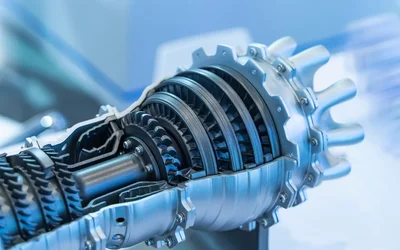
The applications of 3D printing span many industries, from aircraft fuel nozzles to dental aligners. Here we look at some of the most important uses of the technology.

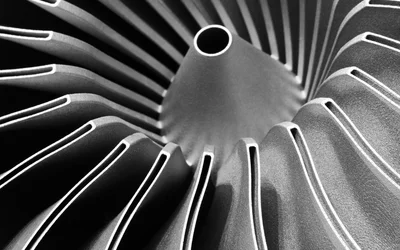
Metal 3D printing is transforming manufacturing by allowing engineers to produce complex, high performance parts directly from digital designs.

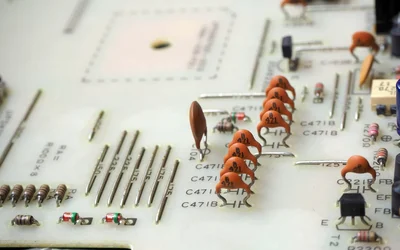
Capacitors in parallel are ubiquitous in digital and analog hardware. When used properly, they increase capacitance, reduce unwanted impedance and noise, and improve power integrity across a broad frequency range.

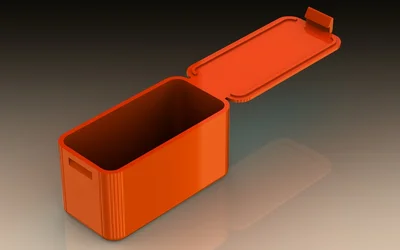
A comprehensive guide to 3D printing snap-fit joints, from the basics to troubleshooting common issues.
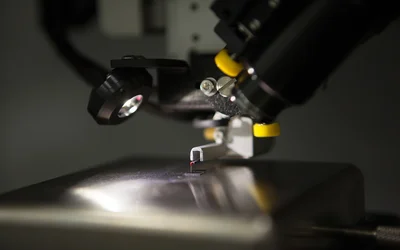
This comprehensive guide explains the difference between Ra vs Rz surface roughness parameters, how to measure them, and when to use them.

3D printer novices might assume that SLA and SLS are closely related, but the technologies are used for quite different purposes.

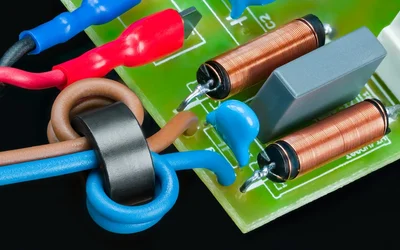
A comprehensive technical comparison of low-pass and high-pass filters, covering how each works, practical circuit implementations, and when to use them in electronics and signal processing.

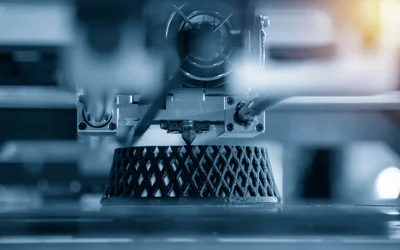
ABS and PLA remain some of the go-to materials for hobbyists and other 3D printer users. Here we compare the two popular filaments in detail.

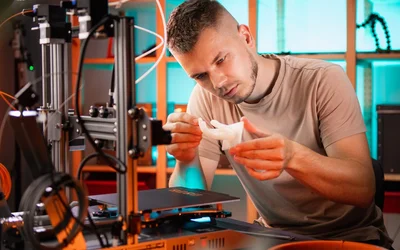
A comprehensive guide that summarizes how to 3D print an object, including digital design, slicing, printing, and post-processing.

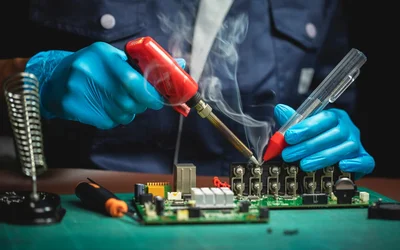
Achieving the right soldering temperature is crucial for strong, reliable solder joints in electronics. This article explores soldering temperatures – from alloy melting points and heat transfer principles to real-world guidelines for hand soldering and reflow processes

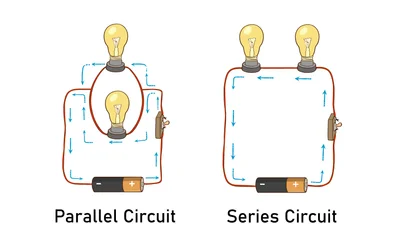
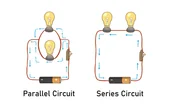
In this article, we will discuss parallel vs series circuits, exploring how they operate, their key differences in terms of current flow and voltage distribution, and why they are essential in practical designs.
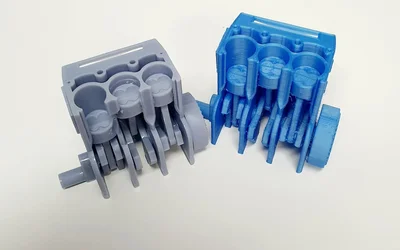
3D printing post-processing techniques turn rough and incomplete models into functional, aesthetic parts that are ready for their end-use. This article looks at the main techniques available for both polymer and metal AM.

Zener diodes are unique semiconductor devices designed to operate in reverse bias and maintain a stable voltage. This article explains how a Zener diode works, from its quantum-tunneling breakdown mechanism to practical uses in voltage regulation and circuit protection.


What is ASA filament and why is it so useful for 3D printer users? This article looks at why this thermoplastic is important for printed parts designed for outdoor use.

Polyethylene Terephthalate Glycol (PETG) is known for its durability and ease of 3D printing. But is PETG temperature resistance high or low?
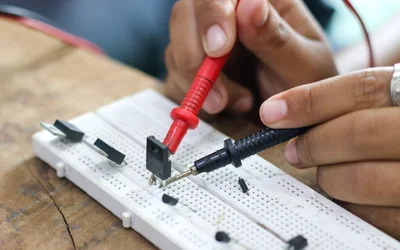
Learn the step-by-step process of testing MOSFET transistors using a digital multimeter and simple circuits. This comprehensive guide covers MOSFET fundamentals, diagnostic techniques, and practical tips for engineers and electronics students.