Here are eight tried and true methods for optimizing your first layer adhesion with FDM 3D printing.
Technical Guides
Latest Posts
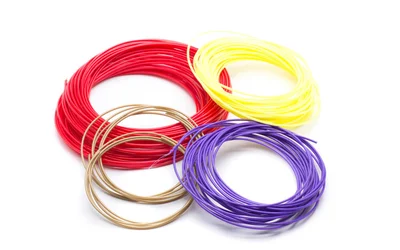
FDM 3D printer users who want more elasticity from their prints often turn to TPU filament, a flexible alternative to PLA with numerous benefits. But what else should you consider when looking at TPU vs PLA?
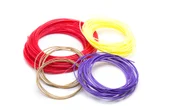
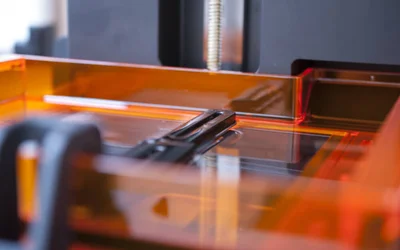
When it comes to desktop 3D printing, buyers have two main options: resin printers that use photopolymerization technology, or filament printers that extrude molten thermoplastic. Both have their strengths and weaknesses.
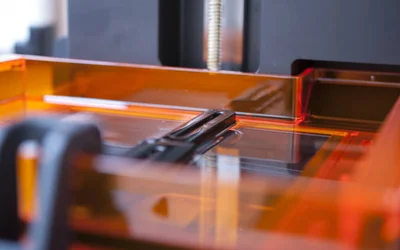
When it comes to desktop 3D printing, buyers have two main options: resin printers that use photopolymerization technology, or filament printers that extrude molten thermoplastic. Both have their strengths and weaknesses.
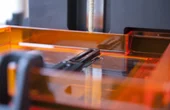
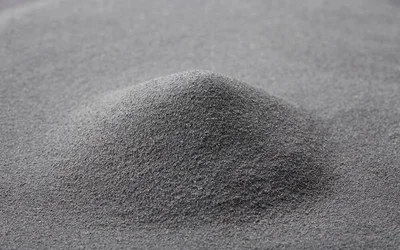
Though aluminum 3D printing has traditionally been a challenge, big advances have been made in recent years. Here's everything you need to know about aluminum additive manufacturing, from applications and technologies, to what alloys are available.

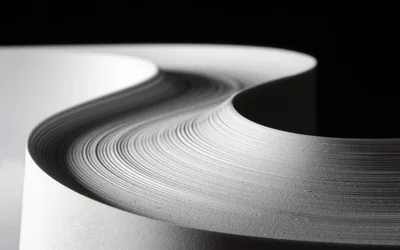
Laminated object manufacturing (LOM) is a unique rapid prototyping process that combines additive and subtractive elements. This article explores its characteristics, benefits, and applications.

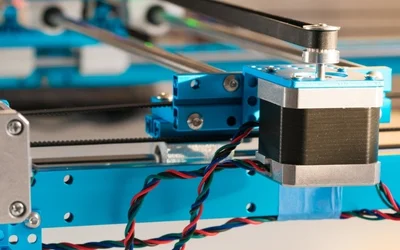
Actuators are an integral part of instrumentation systems that power the machines that exist today. These devices make it possible for the machines to interact with their surroundings the way they do. In this article, we take a closer look at the omnipresent technology.