What is ASA Filament? Properties, Uses, 3D Printing Tips
What is ASA filament and why is it so useful for 3D printer users? This article looks at why this thermoplastic is important for printed parts designed for outdoor use.

21 Aug, 2025. 14 minutes read
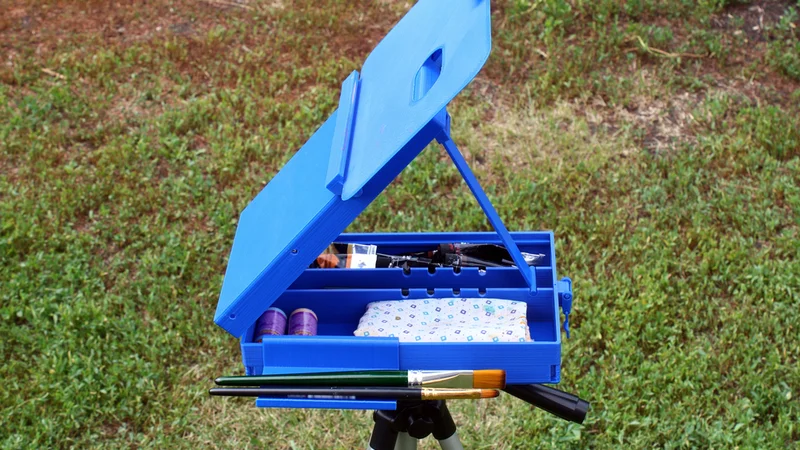
Along with standards like PLA, PETG, and ABS, ASA filament is one of the most widely produced and consumed 3D printing materials for extrusion-style 3D printers. Some printer manufacturers even produce more ASA than ABS.
But what is ASA filament exactly, and why is it such a useful thermoplastic to have in your 3D printing materials collection? In short, this ABS-like material is highly durable and weather resistant, making it an essential material for users making outdoor-ready 3D printed parts. Of all the low-cost commodity polymers, it is the material best equipped to last in direct sunlight.
This article goes over the basics of ASA filament, including its strengths and weaknesses, when to use it over other filaments, and how to get the most out of it by tweaking your hardware and software.
Composition and Characteristics of ASA Filament
ASA (Acrylonitrile Styrene Acrylate) is a thermoplastic polymer closely related to ABS, but with a key difference: it uses an acrylic elastomer instead of butadiene rubber. This swap greatly enhances ASA’s resistance to UV and weathering, as the acrylic rubber lacks the light-sensitive double bonds found in butadiene.[1] As a result, ASA offers roughly ten times the UV and weather resistance of ABS, along with superior long-term heat and chemical stability.
Mechanically, ASA is a tough, rigid, and impact-resistant amorphous thermoplastic with a glass transition temperature around 100 °C—close to ABS’s 105 °C. It performs well in structural applications, with an ultimate tensile strength of around 33 MPa and Izod impact strength of 321 J/m, slightly surpassing ABS in both measures. Its performance makes ASA a solid engineering-grade filament that can handle impact and mechanical stress while withstanding outdoor exposure.
Chemically, ASA offers strong resistance to oils, alcohols, and cleaning agents, and it is less prone to stress cracking than ABS. It remains compatible with solvents like acetone and MEK, allowing for smoothing or welding. With a Heat Deflection Temperature of 85–96 °C, ASA handles moderate heat better than materials like PETG or PLA, making it ideal for parts exposed to sunlight, engines, or outdoor conditions.
Key Properties of ASA Filament
Let’s delve into the notable properties of ASA filament that set it apart from other materials:
UV and Weather Resistance: This is ASA’s most important property. Thanks to its acrylic rubber component, ASA resists UV radiation extremely well—it doesn’t rapidly photodegrade or lose its integrity under the sun. Where ABS parts might discolor (yellow) and become brittle after weeks or months outdoors,[2] ASA parts remain largely unchanged in color, gloss, and toughness. ASA is also highly resistant to rain, humidity, and temperature fluctuations; it’s essentially weather-proof in normal environmental conditions.
Mechanical Strength and Toughness: ASA is a strong material, on par with other engineering plastics. Its tensile strength is often cited around 30–50 MPa (exact value can vary by grade and print settings). While pure numbers might show ABS or PLA having equal or higher tensile strength, the key advantage of ASA is its toughness and impact resistance. ASA’s higher ductility means it can absorb impacts without cracking, unlike PLA which, though strong, is quite brittle. ASA parts can endure physical stress (even in cold temperatures), making them suitable for functional parts like clips, brackets, or tool housings.
Heat Resistance: With a glass transition around 100 °C, ASA can handle much higher temperatures than PLA (~60 °C Tg) or even PETG (~80 °C Tg) before softening. In practical terms, an ASA printed part can survive a hot summer day inside a car or on machinery without warping, whereas a PLA part might sag. Its heat resistance also means ASA is suitable for parts that mount near engines or electronics that warm up.
Surface Finish and Aesthetics: One often-cited perk of ASA is its excellent surface quality. ASA prints typically come off the printer with a smooth surface and less visible layer lines compared to ABS. The material tends to have a matte to semi-gloss finish that many find more attractive than ABS. ASA is also amenable to acetone vapor smoothing—much like ABS, exposing an ASA print to acetone fumes briefly will melt the outer layer and remove layer lines, yielding a glossy, injection-molded look.
Chemical Resistance: ASA holds up well against many chemicals. It is more resistant than ABS to alcohols and cleaning agents, meaning ASA parts are less likely to crack when wiped with isopropanol or similar solvents. It also resists many aqueous solutions and weather-related chemicals. However, like ABS, it can be attacked by strong solvents (e.g. concentrated acids, certain hydrocarbons or ketones will affect it). For most common scenarios, ASA will fare better than ABS.
Electrical Properties: ASA, being similar to ABS, is an insulator with decent electrical properties and also offers good surface finish for electronics enclosures. It doesn’t have the conductivity of carbon-filled composites or the ESD properties of specialized filaments, but for general electronics casings, ASA works well. Additionally, its antistatic properties are good, which can be beneficial for enclosures (less dust cling and static buildup than some plastics).
Density: ASA’s density is around 1.05–1.07 g/cm³, very close to ABS (∼1.04 g/cm³) and slightly less than PETG or PLA (which are ~1.24 g/cm³). This means ASA parts have similar weight to ABS parts. The relatively low density combined with high strength is one reason ABS and ASA are favored in automotive: they yield lightweight, strong parts.
Recommended reading: ASA Glass Transition Temperature & Its Impact on 3D Printing
Advantages of ASA Filament
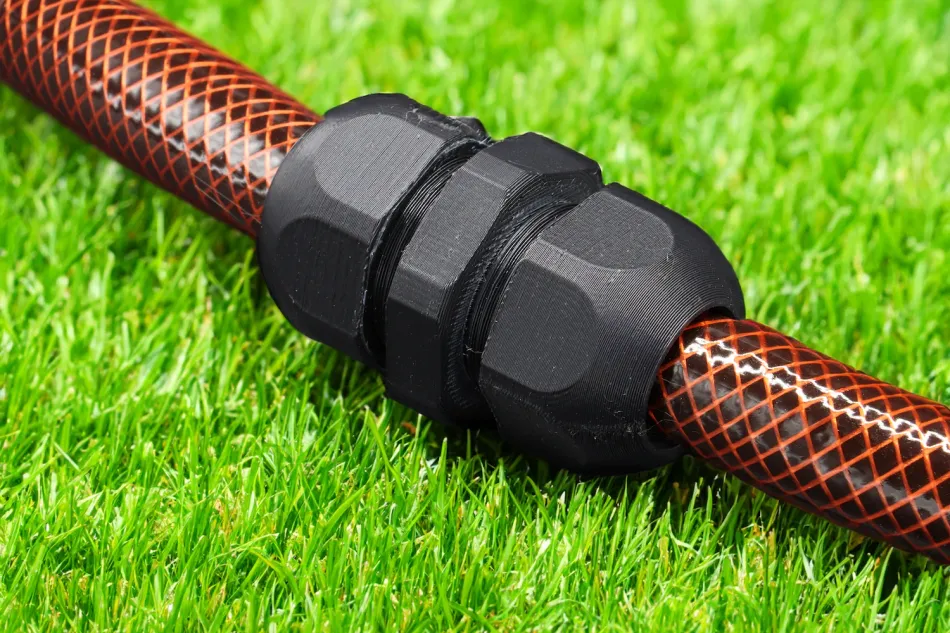
Given the properties above, what are the practical advantages of using ASA filament? Here’s a breakdown of ASA’s key benefits from an engineering and design perspective:
Advantage | Explanation |
UV & Weather Resistance | Withstands prolonged sunlight, rain, and temperature changes without degrading. |
High Strength & Impact Toughness | Strong and ductile; resists cracking under load or impact. |
Heat Resistance (~100 °C Tg) | Suitable for high-temp applications like engine mounts or sun-exposed parts. |
Clean Surface Finish | Prints with smooth, matte surfaces and minimal layer lines. |
Post-Processing Support | Can be acetone-smoothed, sanded, and painted for a polished look. |
Chemical Resistance | Resists oils, alcohols, and mild acids/bases better than ABS or PLA. |
Multiple Color Availability | Comes in fade-resistant colors suitable for aesthetic or branding purposes. |
Versatile ABS Alternative | Matches ABS’s performance with added outdoor and weather durability. |
Disadvantages and Challenges of ASA Filament
No material is perfect for every situation, and ASA is no exception. Below are some of the main challenges or drawbacks associated with ASA filament:
Disadvantage | Explanation |
Warping Issues | Requires a heated bed and enclosure to avoid cracking and layer separation. |
High Printing Temperature | Needs ~240–260 °C hotend; not ideal for PTFE-lined or budget printers. |
Fume Emissions | Releases styrene fumes; must print in ventilated areas or with filters. |
Hygroscopic | Absorbs moisture over time; needs dry storage or pre-drying. |
Higher Cost | More expensive and less widely available than PLA or ABS. |
Not Biodegradable | Petroleum-based and non-compostable; less eco-friendly than PLA. |
Overkill for Simple Prints | Adds complexity where cheaper, easier filaments (like PLA) may suffice. |
ASA Filament vs Other 3D Printing Materials
How does ASA compare to other popular 3D printing filaments? Below, we contrast ASA with a few common materials (ABS, PLA, PETG) to highlight differences and help in choosing the right filament for a given project.
ASA vs ABS
ASA and ABS are mechanically similar, offering strong, heat-resistant prints suitable for functional parts. However, ASA was designed to overcome ABS’s poor UV durability. Unlike ABS, which yellows and becomes brittle in sunlight, ASA maintains color and toughness outdoors. ASA also has slightly better impact resistance and chemical resilience, with reduced risk of stress-cracking. Surface finish is often cleaner with ASA, and while both can warp, ASA may have slightly better adhesion. ABS is more widely available and cheaper, but ASA is the better choice for outdoor or rugged use.
ASA vs PLA
PLA is easy to print and ideal for decorative or low-stress parts, while ASA targets engineering-grade applications. PLA prints at low temperatures with minimal warping, whereas ASA needs high temps, a heated bed, and an enclosure. PLA can be stronger in tensile terms but is brittle and performs poorly under impact, abrasion, or heat. ASA is tougher, more durable, and remains stable outdoors or near heat. PLA is biodegradable and greener overall, making it better for disposable prints, but ASA outperforms it for anything functional, high-strength, or weather-exposed.
ASA vs PETG
PETG balances strength, printability, and moderate heat resistance, making it a popular alternative to PLA or ABS. Compared to ASA, PETG prints more easily—less warping and no enclosure needed—but has slightly lower UV and heat resistance. ASA holds up longer in direct sun and can withstand higher temperatures (~100 °C vs PETG’s ~80 °C). PETG has better layer adhesion and is more flexible, while ASA is harder and more scratch-resistant. For outdoor or high-heat environments, ASA is the more durable choice; for quick, reliable prints with decent strength, PETG is often more practical.
ASA vs Polycarbonate (PC)
Polycarbonate is stronger and handles much higher temperatures than ASA, with Tg around 145 °C and excellent UV resistance. However, it’s very difficult to print—requiring high extrusion temps (~280–300 °C), an enclosure, and dry conditions. ASA is much easier to work with and offers sufficient durability for most outdoor applications. If extreme strength or heat resistance is needed, PC is superior, but ASA provides a more accessible option with fewer print challenges.
ASA vs Nylon (PA)
Nylon offers excellent toughness and wear resistance but is highly hygroscopic and less UV-stable than ASA. It’s flexible and strong, but can degrade with prolonged moisture and sunlight exposure. ASA is stiffer, more dimensionally stable, and easier to print, especially for outdoor parts. Nylon is better for dynamic or friction-prone components, while ASA is preferable for rigid, weather-resistant applications.
ASA vs TPU (Flexible Filaments)
ASA and TPU serve very different roles—ASA is rigid and structural, while TPU is flexible and elastic. TPU is best for parts requiring stretch, like phone cases or gaskets, while ASA is suited for tough, hard components. ASA cannot substitute for TPU’s flexibility, just as TPU can’t match ASA’s rigidity and outdoor durability. Choose based on whether your part needs to bend or hold firm.
ASA (Acrylonitrile Styrene Acrylate) | ABS (Acrylonitrile Butadiene Styrene) | PETG (Polyethylene Terephthalate Glycol) | PLA (Polylactic Acid) | |
UV Resistance | Excellent | Poor | Moderate | Poor |
Weather/Water Resistance | Highly weatherproof | Moderate | Good | Low |
Tensile Strength | ~33 MPa | ~32 MPa | ~50 MPa | ~50–65 MPa |
Impact Toughness | Very high | High | High | Low |
Heat Resistance (Tg) | ~100 °C | ~105 °C | ~80 °C | ~60 °C |
Ease of Printing | Low | Low | Medium | Very High |
Print Surface Finish | Smooth, matte | Matte | Glossy, translucent | Glossy or matte |
Chemical Resistance | Resistant | Good | Excellent | Poor |
Environmental Impact | Petroleum-based, not biodegradable | Petroleum-based, not biodegradable | Petroleum-based, some recyclable | Bio-based, biodegradable (industrial) |
Typical Uses | Outdoor parts, automotive, enclosures | Functional prototypes, interiors | Mechanical parts, containers | Models, prototypes, education |
How to Print ASA Parts
ASA is a high-performance filament, but it demands more from your 3D printer and environment than beginner materials. With the right approach, though, it can produce strong, weather-resistant, and professional-quality parts.
Printer Setup and Environment Control
To begin, make sure your printer can reach ASA’s necessary temperatures. The nozzle should be capable of 230–260 °C, ideally with an all-metal hotend to handle sustained high heat. The heated bed must reach 90–110 °C. ASA also benefits greatly from being printed in a warm, stable environment. An enclosure—whether commercial or DIY—prevents temperature fluctuations that can lead to warping or cracking.
Sudden drafts from open windows or air conditioning can instantly ruin a print, so it’s best to print with the enclosure fully closed. If your printer doesn’t have an enclosure, even a large cardboard box or zip-up tent enclosure can dramatically improve results. Keeping the surrounding temperature consistent helps layers bond properly and minimizes internal stress during cooling.
Bed Adhesion and Warping Prevention
ASA is known to warp, so ensuring good bed adhesion is critical. A PEI sheet or BuildTak surface works well when heated to 100 °C. Alternatively, you can use Kapton tape with a thin layer of ASA or ABS slurry (scraps dissolved in acetone). Glass beds with a PVA glue stick or ABS “juice” also perform reliably.
It’s important to level your bed precisely and ensure proper first-layer squish—this can make or break ASA prints. Keep the bed heated until the part has fully cooled, or the corners may detach.
Use a brim (5–10 mm) for extra grip on the corners, especially on larger parts. For very tall or warp-prone prints, a raft may help. Avoid sudden changes in geometry or unsupported overhangs early in the print, and consider design tweaks like fillets on base corners to reduce stress concentrations.
Cooling, Speed, and Print Settings
Unlike PLA, ASA should not be rapidly cooled. Turn off the part cooling fan or limit it to a very low value (10–20%) after the first few layers if needed for detail. ASA prints best when allowed to cool slowly, reducing internal stress and warping.
Start printing around 250 °C at the nozzle and 110 °C on the bed. If you see layer separation, increase the nozzle temp slightly. If stringing becomes an issue, reduce the temp a bit or adjust retraction, but avoid printing too cool—layer bonding is more important. Always consult the filament manufacturer’s recommended range, then fine-tune based on your printer’s behavior.
For speed, use a slow first layer (20–30 mm/s) to ensure good adhesion. After that, ASA generally prints well between 40–60 mm/s. Slower speeds help retain heat and improve layer adhesion, especially for larger or more detailed parts.
Retraction should be tuned to your extruder type. For direct drive, 1–2 mm at 30–50 mm/s is typical. Bowden setups may need more distance. Minor stringing is common but can be cleaned up post-print.
Ventilation and Safety
ASA emits fumes during printing, including styrene, which can be irritating or harmful in enclosed spaces. Always print in a well-ventilated area or use a filtered enclosure. If you don’t have active ventilation, open a window and use a fan to disperse fumes after the print finishes. ASA is flammable if ignited, so avoid open flames and always follow standard high-temperature safety precautions.
Filament Storage and Handling
ASA is mildly hygroscopic, meaning it will absorb moisture from the air over time. Wet filament can lead to poor surface finish, bubbling, or weak layers. Store spools in airtight bags with desiccant, or in a dry box when not in use.
If the filament has absorbed moisture, dry it before printing. A filament dryer or oven set to ~80 °C for 4–6 hours usually restores performance. Just be careful not to overheat the spool, which can cause warping or deformation.
Post-Processing ASA Parts
Once your print is complete, ASA offers a range of finishing options. Supports break away similarly to ABS and can be sanded down. For a smooth surface, start sanding with 200 grit and work to finer grits.
ASA can also be vapor-smoothed using acetone, giving the part a glossy, injection-molded appearance. Always do this in a well-ventilated area away from flames. For assembly, ASA bonds well with acetone (which “welds” pieces together), superglue, or epoxy.
If painting, apply a plastic primer first. ASA takes acrylic or enamel paint well and, thanks to its UV stability, retains color longer than many other plastics—even outdoors.
Recommended reading: What is Slicing in 3D Printing? A Guide for Engineers
Applications of ASA Filament in Engineering

ASA’s combination of toughness, heat resistance, and UV stability opens up a wide range of applications, particularly in fields where parts are exposed to the elements or need to endure stress:
Outdoor Electronics Enclosures: One of the prime uses of ASA is in weather-resistant housings for electronics.[3] For instance, if you’re designing a sensor module or an IoT device that will be mounted outdoors (say a weather station, security camera enclosure, or remote environmental sensor), ASA is an ideal material as it will protect the electronics from sun and rain without cracking or degrading.
Automotive Prototyping and Parts: Engineers and hobbyists use ASA to print car parts or prototypes of components such as side mirror housings, headlight mounts, grille inserts, dashboard mounts, and even exterior trim pieces. Because ASA can handle UV and heat, a printed car part (like a mirror cap) can be tested on a vehicle outdoors to evaluate fit and aesthetics without worrying it will degrade quickly. Low-volume custom car mods or repairs can also be done in ASA for actual use.
Aerospace and Drones: Similar to automotive, the aerospace field values materials that are strong yet lightweight and can withstand outdoor conditions. ASA printed parts have been used in drone bodies, mounting brackets for UAV cameras or sensors, and even small aircraft components (non-critical parts) for testing. The advantage is that ASA parts won’t deteriorate quickly when exposed to high altitude UV or cold temperatures.Functional Prototypes and End-Use Manufacturing Aids: Many jigs, fixtures, and tooling aids for manufacturing can be printed in ASA. For example, on a production line, you might need a custom fixture to hold a part while assembling or soldering, and if that fixture might see elevated temps or needs to be robust for repeated use then ASA is a suitable material. It’s tough enough for semi-structural uses and can handle being in a workshop that might get hot or exposed to chemicals (oils, lubricants, cleaning agents) without deforming.
Outdoor Equipment and Tools: ASA is used for rugged, go-anywhere gear. Think about gardening tools, sporting equipment, bicycle accessories, camping gear—any item that might live outside or in a shed. ASA printed tool parts (like a custom handle for a rake, or a mount for a bicycle light) will fare much better than if they were printed in standard plastics. Some specific examples:
Custom brackets or clips for irrigation systems
Phone holders or GPS mounts for bikes or motorcycles
Parts of RC cars or outdoor robots
Sports equipment prototypes
Scientific and Lab Equipment: ASA is also handy for printing parts of devices that might be sterilized or heated. While ASA itself isn’t medical-grade or autoclavable like PEI or PC, it can handle moderate sterilization processes. For example, an engineering lab might print an ASA fixture to hold samples under UV lamps.
Structural Applications and Construction: In construction or civil engineering contexts, ASA prints have been used for things like exterior signage, architectural models, or even functional building components. For signage, ASA’s UV resistance ensures the sign letters or holder won’t fade or crack (some sign makers prefer ASA over PLA or ABS for small runs of custom signs).
Robotics and Electronics Hardware: ASA is suitable for robot frames, motor mounts, sensor enclosures, and connector housings. Many robotics projects require parts that can handle some heat (motors can get hot) and possibly outdoor environments (think rover robots, or autonomous devices).
ASA Filament Brands
A number of 3D printing material manufacturers produce high-quality ASA 3D printer filament with high impact resistance and resistance to UV light and harsh weather conditions. Some are listed below:
Polymaker’s PolyMax ASA is popular for its reduced warping and improved layer adhesion, making it suitable for larger or more complex prints.
Prusament ASA is praised for consistent filament diameter and stable colors, benefiting from Prusa’s quality control processes.
Fillamentum offers standard ASA filaments with a wide color range and smooth surface finish, plus an ASA Glass Fiber composite that increases stiffness and heat resistance.
3DXTech provides ASA filaments including composites reinforced with carbon fiber or glass fiber, designed to enhance strength and rigidity while keeping outdoor durability.
Brands like ColorFabb and eSUN supply more budget-friendly ASA options, some featuring carbon fiber-filled variants aimed at improving mechanical properties for functional prototypes or automotive parts.
Researchers have experimented with other blends and composites, including an ASA-PEEK blend with good stiffness and tensile strength.[4]
Conclusion
ASA filament offers professional-grade durability with excellent resistance to UV rays, moisture, and heat, making it a strong choice when you need parts that perform well outdoors. It combines mechanical strength with weather resistance, allowing engineers and designers to create functional prototypes and end-use parts like automotive components, outdoor enclosures, and tools that can withstand real-world conditions. This capability helps reduce the gap between prototype and production by enabling more accurate testing in actual environments.
While ASA delivers impressive performance, it requires more careful printing than common filaments like PLA or PETG. It demands higher nozzle and bed temperatures, good bed adhesion, and often an enclosed printing environment to prevent warping and cracking. However, advances in printer technology and improved ASA formulations have made printing this material more accessible, even for hobbyists. With proper preparation and settings, ASA can be reliably printed to produce strong, durable parts.
For engineers looking to expand their material toolkit, ASA represents a step toward tougher, longer-lasting 3D printed parts suitable for rugged applications. Its unique combination of strength and environmental resistance means it’s well-suited for projects requiring outdoor exposure or mechanical stress. By understanding its requirements and benefits, you can confidently use ASA filament to bring more robust and functional designs to life.
FAQ (Frequently Asked Questions)
Q: What does “ASA” stand for, and what is ASA filament made of?
A: ASA stands for Acrylonitrile Styrene Acrylate, a thermoplastic made by modifying ABS with acrylate rubber to improve weather and UV resistance.
Q: What are the key advantages of using ASA filament?
A: ASA offers excellent UV and weather resistance, good mechanical strength, heat resistance up to around 100 °C, and a smooth matte finish suitable for outdoor and functional parts.
Q: What are the downsides or challenges of ASA filament compared to other materials?
A: ASA is harder to print due to warping, requires higher temperatures and an enclosed print environment, emits strong fumes needing ventilation, and is more expensive than common filaments like PLA or ABS.
Q: How does ASA filament compare to ABS filament? Are they interchangeable?
A: ASA and ABS have similar mechanical properties, but ASA is much more UV and weather resistant; while interchangeable for many applications, ASA is preferred for outdoor use due to its durability.
References
[1] El Magri A, Ouassil SE, Vaudreuil S. Effects of printing parameters on the tensile behavior of 3D‐printed acrylonitrile styrene acrylate (ASA) material in Z direction. Polymer Engineering & Science. 2022 Mar;62(3):848-60.
[2] Davis P, Tiganis BE, Burn LS. The effect of photo-oxidative degradation on fracture in ABS pipe resins. Polymer Degradation and Stability. 2004 May 1;84(2):233-42.
[3] Taylor S, Elshafie F, Fisher D, Gonzalez M, La B, Sangar Y, Snyder E, Pannuto P. A Sensing System is More than its Electronics: Towards addressing environmental challenges on outdoor data collection platforms. InProceedings of the 13th International Workshop on Energy Harvesting and Energy-Neutral Sensing Systems 2025 May 6 (pp. 36-41).
[4] Palacios-Ibáñez B, Relinque JJ, Moreno-Sánchez D, de León AS, Delgado FJ, Escobar-Galindo R, Molina SI. Synthesis and characterisation of ASA-PEEK composites for fused filament fabrication. Polymers. 2022 Jan 26;14(3):496.
in this article
1. Composition and Characteristics of ASA Filament2. Key Properties of ASA Filament3. Advantages of ASA Filament4. Disadvantages and Challenges of ASA Filament5. ASA Filament vs Other 3D Printing Materials6. How to Print ASA Parts7. Applications of ASA Filament in Engineering8. ASA Filament Brands9. Conclusion10. FAQ (Frequently Asked Questions)11. References