PETG Temperature Resistance: Heat Limits and Practical Insights for Engineers
Polyethylene Terephthalate Glycol (PETG) is known for its durability and ease of 3D printing. But is PETG temperature resistance high or low?

26 Aug, 2025. 9 minutes read
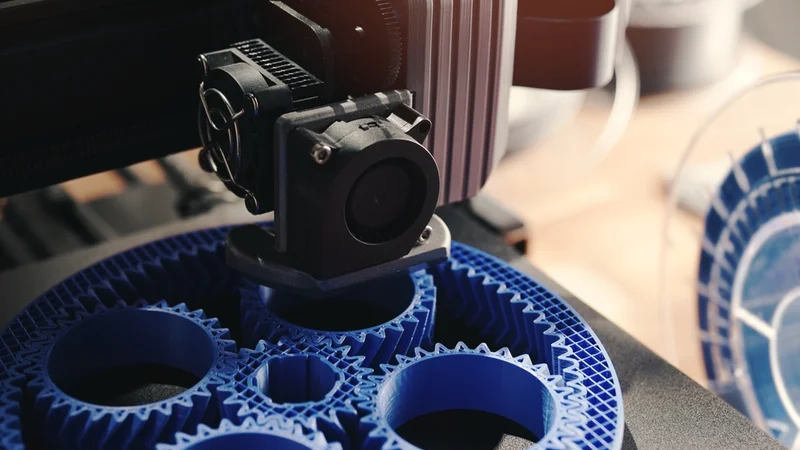
When designing a product or prototype that will encounter elevated temperatures, material choice is key. And knowing the thermal possibilities and limitations of a thermoplastic like Polyethylene Terephthalate Glycol (PETG) ultimately results in better part performance.
PETG temperature resistance is a key reason this plastic is popular among engineers and makers: PETG can endure higher heat than easy-to-print PLA, while offering simpler processing than materials like ABS. For electronics housings, automotive accessories, and other hardware applications, PETG’s ability to withstand heat without deforming is often a deciding factor. But just how hot is too hot for PETG?
In this comprehensive guide, we’ll delve into the thermal properties that define PETG’s performance under heat. By the end, you’ll have an in-depth understanding of how PETG handles heat and how to confidently apply this material in your engineering projects.
What is PETG?
PETG (Polyethylene Terephthalate Glycol) is a widely used thermoplastic polymer filament valued for its practical balance of mechanical properties such as tensile strength and impact strength, along with ease of use. The 3D printing material is a modified version of PET (commonly used in plastic bottles), with glycol added to reduce brittleness and improve print quality. This makes PETG more flexible and impact-resistant than standard PET, helping 3D printed parts resist cracking under stress. As a result, it’s often used for mechanical parts, containers, and other functional prints requiring durability.
In extrusion-based 3D printing, PETG offers reliable layer adhesion and tends to warp less than materials like ABS, making it suitable for hobbyists and beginners printing on standard FDM printers. Its printing temperature is moderate, and it adheres well to the print bed, though it can be prone to issues like stringing. PETG holds up better to UV light and moisture than PLA, though it can absorb water over time. Overall, PETG is a solid, food-safe workhorse filament offering high-quality, durable 3D printed parts with minimal post-processing needed.
Recommended reading: PETG Print Settings: Adjusting Temperature, Speed & Retraction to Improve Printing
Understanding PETG’s Thermal Properties
PETG offers moderate thermal performance that makes it suitable for a range of everyday applications. Its temperature resistance is higher than that of PLA, allowing for better performance in warmer environments, though it still falls short of more heat-tolerant engineering plastics. PETG temperature resistance is generally sufficient for indoor and light outdoor use, but prolonged exposure to high heat can lead to deformation.
This section looks at the most important thermal characteristics of the material, including its glass transition and heat deflection temperature.
Glass Transition Temperature (Tg)
Typical range: 75 °C to 85 °C
Most common value: ~80 °C
The glass transition temperature is where PETG shifts from a hard, glassy state to a softer, rubbery one. Below this point, it stays stiff and retains its full strength. Around 80 °C, though, it begins to soften and lose rigidity, making it less suitable for load-bearing parts. While it doesn’t melt at this stage, it can deform under stress. For most practical purposes, the Tg represents the upper boundary of PETG temperature resistance—a critical threshold for maintaining mechanical integrity in functional applications.
Heat Deflection Temperature (HDT)
Typical range: 65 °C to 75 °C
Common value (0.45 MPa load): ~70 °C
HDT defines the temperature at which PETG deforms under a moderate load. This value is often slightly lower than Tg because it accounts for mechanical stress in heated conditions. At around 70 °C, a PETG part under pressure may begin to bend or warp. While Tg indicates softening, HDT shows when a part will actually lose shape while doing work—making it a key reference for structural designs. Together with Tg, it helps define realistic PETG temperature resistance limits in real-world use.
Melting Temperature (Tm)
Typical range: 230 °C to 260 °C
Typical printing nozzle temp: 220 °C to 250 °C
PETG reaches its melting point when it becomes a true liquid, a condition mostly relevant to 3D printing or molding. While it becomes too soft for structural use well before melting, this range explains why PETG prints effectively at elevated nozzle temperatures. (For example, Prusa suggests printing its PETG at 230 °C.) It also reinforces why parts meant for high-heat environments must be designed with the earlier thermal limits—like Tg and HDT—in mind.
Coefficient of Thermal Expansion (CTE)
Relative level: Moderate (similar to PLA)
PETG expands moderately with heat, which helps maintain dimensional accuracy under normal conditions. Its CTE is similar to PLA, and lower than materials like ABS, making it more stable during printing. However, near Tg, expansion combined with softening can still cause minor deformation.
Thermal Conductivity
Typical range: ~0.1–0.2 W/(m·K)
As with most plastics, PETG has low thermal conductivity. Heat builds up in localized areas rather than spreading evenly, which can lead to hot spots and warping. While this helps prevent rapid heat loss, it also limits PETG’s usefulness in heat-transfer applications like housings for hot electronics.
PETG Temperature Resistance Versus Other Materials
Material | Heat Deflection Temp (HDT) | Melting Temp (Tm) | Recommended Max Use* |
PLA (Polylactic Acid) | ~55 °C | ~180 °C | ~50 °C (very low) |
PETG (Polyester Glycol) | ~65–75 °C | 230–260 °C | ~70 °C (moderate) |
ABS (Acrylonitrile Butadiene Styrene) | ~95 °C | ~220 °C | ~90 °C (high) |
PC (Polycarbonate) | ~130 °C | ~260 °C | ~130 °C (very high) |
*Recommended Max Use = an approximate safe upper limit for long-term service temperature, beyond which significant deformation is likely.
PETG vs PLA
Compared to PLA, PETG offers significantly better temperature resistance. PLA softens and warps at relatively low temperatures—often deforming in a warm car or under direct sunlight—though this can also be attributed to its vulnerability to UV rays.[1] PETG’s higher glass transition temperature allows it to retain shape where PLA would fail. This makes PETG more suitable for functional parts that may be exposed to mild to moderate heat, such as enclosures for electronics or tool holders.
PETG vs ABS
ABS is more heat-resistant than PETG across the board. It can tolerate conditions near 100 °C and is widely used in automotive interiors and under-hood applications. PETG, by contrast, begins to soften and lose rigidity at lower temperatures and may deform under sustained stress in warmer environments. While PETG temperature resistance covers most mid-range uses, ABS is the better option for high-heat situations.
PETG vs Polycarbonate (PC)
Polycarbonate far outperforms PETG in terms of thermal stability. It remains rigid at high temperatures and is commonly used in demanding applications like lighting fixtures or engine components. PETG cannot tolerate this level of heat and would deform well before PC shows any thermal weakness.
Summary: Where PETG Stands
PETG sits in the middle of the temperature resistance spectrum. It outperforms PLA for warm environments and functional prints but doesn’t reach the thermal performance of ABS or PC. For moderate heat exposure—such as devices that warm up during use or environments up to around 80 °C—PETG strikes a useful balance between performance and printability.
For low-heat use, PLA might be sufficient.
For moderate heat, PETG excels where PLA would fail.
For high heat, ABS, ASA, or PC are more appropriate.
If outdoor use is expected, PETG offers better UV and weather resistance than PLA, though not as much as ASA. It won’t degrade quickly in sunlight but may still warp if exposed to prolonged heat, especially in direct sun.
Practical Considerations for PETG Temperature Resistance
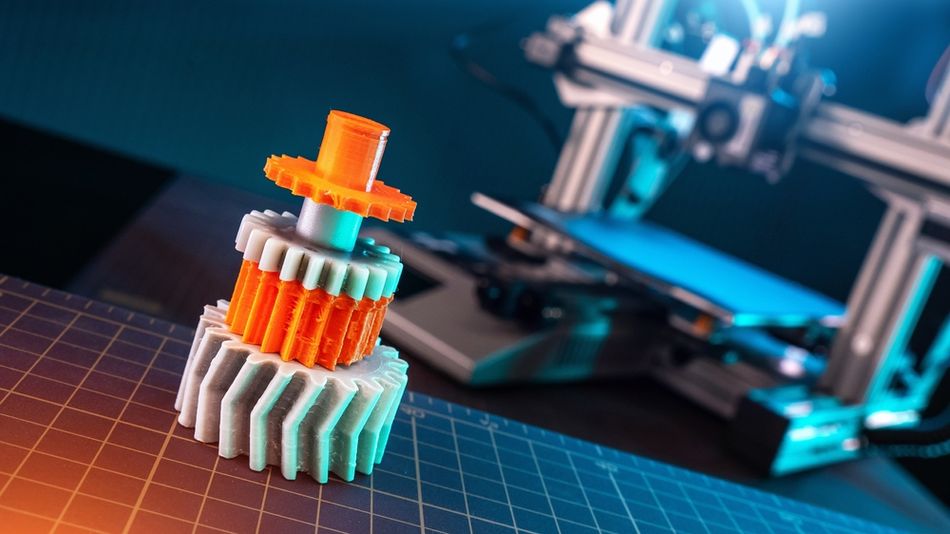
When designing with PETG, understanding its real-world thermal behavior is just as important as knowing its technical specs. While PETG offers better heat resistance than PLA, it still has clear limitations under elevated temperatures. This section outlines practical guidelines for using PETG in warm environments.
Recommended Operating Temperatures
For reliable long-term use, keep PETG parts below 60 °C. At this level, the material stays dimensionally stable and resists creep. Between 60–70 °C, short-term use may still be possible, but stiffness drops and deformation becomes likely—especially under stress or tight tolerances. Around 70 °C is a practical red line; beyond this, PETG is no longer structurally dependable.
If an application might reach 80 °C or higher, PETG is not the right choice. When PETG exceeds ~80 °C, it becomes rubbery and loses strength. While it won’t melt, it can sag, buckle, or creep under even modest loads. A part may look intact but no longer support its intended function. This is why many sources cite <70 °C as the maximum recommended use temperature.
Stress and Load Sensitivity
Mechanical stress lowers PETG’s thermal limits. Unloaded parts may survive at 70–80 °C, but loaded parts—like brackets, gears, or mounts—may begin to deform even around 60–70 °C. Always factor in load when assessing temperature suitability and apply a safety margin for structural parts.
Localized Heat and Environmental Factors
Don’t confuse ambient temperature with actual part temperature. PETG’s low thermal conductivity means hot spots—such as near motors or in sun-exposed areas—can lead to localized warping even if the surrounding air is cool. A black PETG part in sunlight or a hot car can easily exceed 60 °C, risking deformation. Consider reflective coatings, ventilation, or switching materials for parts exposed to direct or trapped heat.
Long-Term Aging and UV Exposure
PETG resists chemical breakdown but may slowly lose toughness if exposed to sustained high heat, especially near its Tg. While it offers decent UV resistance compared to PLA, prolonged sun plus heat accelerates aging. For harsh outdoor use, especially where heat builds up, ASA or UV-protected coatings are better choices.
Cold-Weather Performance
Unlike PLA, PETG maintains toughness in the cold and resists shattering down to –20 °C or lower. This makes it suitable for outdoor parts that face both summer heat and winter frost, provided thermal limits are respected.
Summary
Design with these guidelines:
Use PETG up to 60 °C for continuous loads
60–70 °C for brief or lightly loaded use
Avoid PETG above 70–80 °C for any structural role
If your design nears these limits, consider switching materials or exploring ways to extend PETG’s heat tolerance—covered in the next section.
Examples of Heat-Exposed Parts Suitable for PETG
Not all heat-exposed parts require high-temperature plastics like ABS or PC. Many functional components experience only moderate thermal stress—well within PETG temperature resistance—and can be safely manufactured using PETG. Here are a few typical examples:
Electronics enclosures (non-heatsinked): Enclosures that house small circuit boards, sensors, or microcontrollers may warm up slightly during operation but usually stay under 60 °C. PETG handles this comfortably while offering better durability than PLA.
3D printer accessories: Fan ducts, spool holders, or tool caddies mounted near—but not directly on—heated areas can get mildly warm. As long as they don’t touch the hotend or heated bed, PETG is usually sufficient.
Automotive interior clips and holders: Parts placed in shaded or low-exposure interior areas of vehicles (e.g., phone mounts, cable organizers) may face elevated temperatures but often stay below the deformation threshold if not exposed to direct sunlight for long.
Light-duty jigs and fixtures: PETG can be used in workshop settings for assembly aids or test mounts that may be near machinery but not in direct contact with high-temperature surfaces.
Household appliance brackets: Mounts or guides for low-heat devices like vacuum docks, air purifier components, or humidifier stands typically operate well below PETG’s critical limits.
Enhancing PETG’s Heat Resistance (Tips & Modifications)
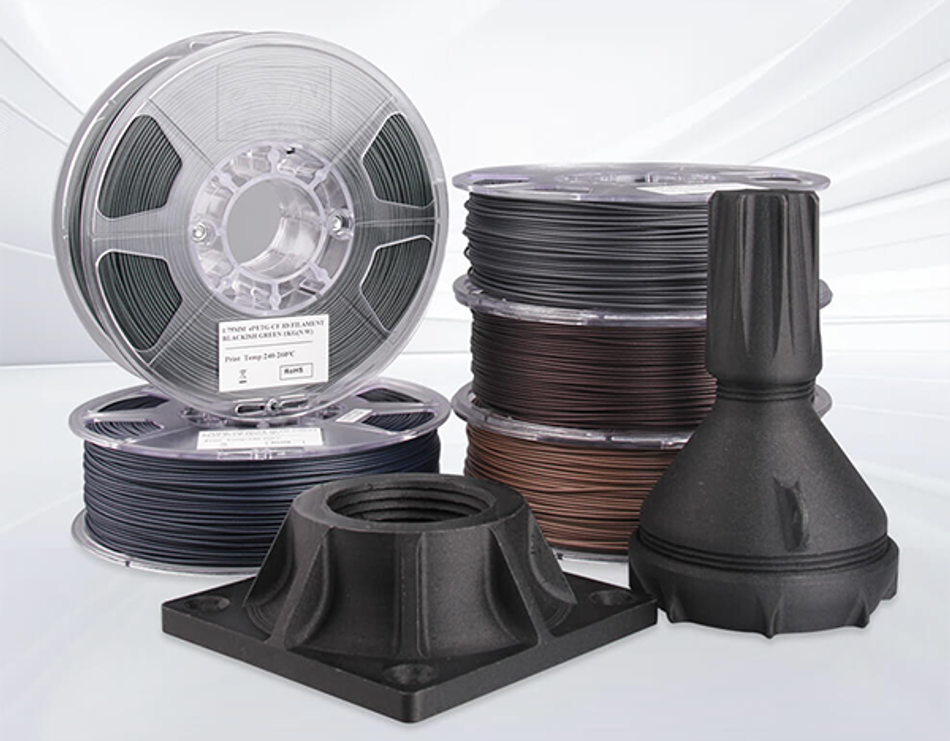
What can you do if you love PETG’s properties (easy printing, toughness, chemical resistance) but worry about that ~70 °C limit? Fortunately, engineers have a few options to improve PETG’s temperature resistance. While you can’t fundamentally change standard PETG’s Tg without altering its chemistry, you can employ certain strategies to get better performance in higher-heat scenarios:
Strategy | Effect | Notes |
Use high-temp PETG formulation | Increases Tg and HDT significantly (e.g. Tg up to 105 °C) | Look for specialty PETG or carbon-fiber-reinforced blends; may require different print settings[2] |
Increase wall thickness/infill | Slows heat penetration; delays softening | Doesn't change Tg, but improves shape retention during brief heat spikes |
Anneal the printed part | Relieves stress; raises HDT by 5–10 °C | Requires careful temperature control; can cause shrinkage or warping |
Avoid direct heat (design & shielding) | Keeps part temperature below critical levels through placement, shading, or ventilation | Use light-colored filaments outdoors; consider heat shields or active cooling |
Optimize print orientation | Enhances strength in critical directions and reduces delamination under heat | Print parts so stress loads align with layer bonding direction (Z-axis is weakest) |
Recommended reading: PETG Bed Temperature, Nozzle Temperature & Cooling Settings
Conclusion
PETG offers a practical balance between printability and thermal performance, making it a reliable choice for many engineering applications. It maintains strength and shape at temperatures up to about 60 °C and can handle short-term exposure up to 70–80 °C if designed with care. This gives PETG a distinct advantage over PLA, which softens much earlier, making it unsuitable for warm environments. That said, PETG is not built for extreme heat. In applications where temperatures may exceed 80 °C for extended periods, materials like ABS, ASA, or polycarbonate are more appropriate.
The key thermal constraint for PETG is its glass transition temperature, typically around 80 °C. Beyond this point, it softens and loses structural integrity, especially under load. However, there are ways to push its limits. Strategies like using high-temperature PETG blends, reinforcing with carbon fiber, increasing wall thickness, or annealing finished parts can all help improve PETG’s heat resistance in marginal cases. These methods won’t make PETG a high-temp plastic, but they can extend its usefulness in borderline applications.
With ongoing material development, PETG variants with enhanced heat resistance are becoming more available. For example, researchers recently developed PETG filaments reinforced with micrometric steel powder for 3D printing, achieving improved mechanical strength and thermal stability without altering the processing parameters.[3] By choosing the right formulation and designing parts carefully, engineers can confidently use PETG in moderately warm environments without sacrificing reliability.
Frequently Asked Questions
What is the glass transition temperature of PETG?
PETG’s glass transition temperature typically falls between 75 °C and 85 °C, depending on the formulation. Above this range, PETG softens from a hard, glassy state to a rubbery one, marking the upper limit of its structural performance.
Is PETG more heat resistant than PLA?
Yes. PETG handles heat much better than PLA, which begins to deform around 50–55 °C (Tg ~60 °C). PETG remains stable until roughly 70 °C or slightly higher, making it a better choice for warm environments like electronics housings or sunlit interiors where PLA would warp.
How does PETG compare to ABS for high-temperature use?
ABS has a higher glass transition (~105 °C) and can tolerate continuous temperatures up to ~90 °C, outperforming PETG for high-heat applications. PETG is easier to print and resists warping better, but ABS is the better choice for sustained exposure above 80 °C. Use PETG for moderate heat; switch to ABS or ASA for anything hotter.
Can PETG survive in a hot car?
With caution. Car interiors can reach 50–60 °C in summer, which nears PETG’s softening point. PETG might hold up briefly, but deformation is possible—especially in direct sunlight. ABS or ASA is a safer choice for automotive interiors.
References
[1] Chopra S, Pande K, Puranam P, Deshmukh AD, Bhone A, Kale R, Galande A, Mehtre B, Tagad J, Tidake S. Explication of mechanism governing atmospheric degradation of 3D-printed poly (lactic acid)(PLA) with different in-fill pattern and varying in-fill density. RSC advances. 2023;13(11):7135-52.
[2] Kumar MA, Khan MS, Mishra SB. Effect of machine parameters on strength and hardness of FDM printed carbon fiber reinforced PETG thermoplastics. Materials Today: Proceedings. 2020 Jan 1;27:975-83.
[3] Zmuda Trzebiatowski P, Królikowski T, Ubowska A, Wilpiszewska K. Preparation and Properties of PETG Filament Modified with a Metallic Additive. Materials. 2025 Mar 7;18(6):1203.
in this article
1. What is PETG?2. Understanding PETG’s Thermal Properties3. PETG Temperature Resistance Versus Other Materials4. Practical Considerations for PETG Temperature Resistance5. Examples of Heat-Exposed Parts Suitable for PETG6. Enhancing PETG’s Heat Resistance (Tips & Modifications)7. Conclusion8. Frequently Asked Questions9. References