Applications of 3D Printing: From Industry to Electronics and Beyond
The applications of 3D printing span many industries, from aircraft fuel nozzles to dental aligners. Here we look at some of the most important uses of the technology.

12 Sep, 2025. 12 minutes read
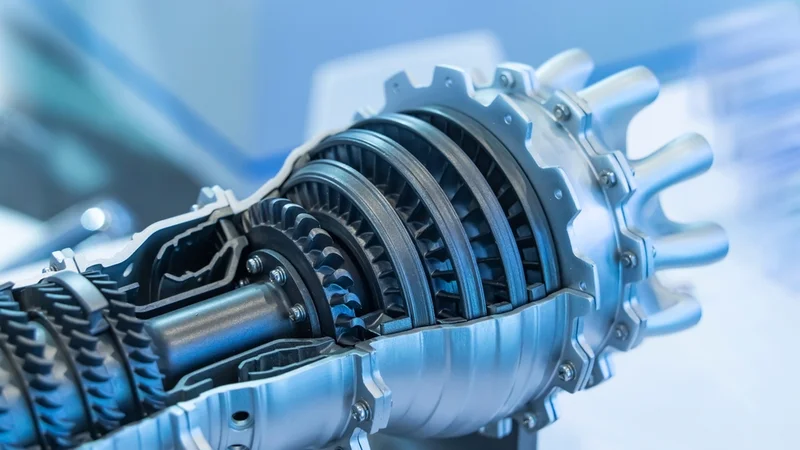
Over the past decade, the applications of 3D printing have expanded dramatically. Once primarily limited to rapid prototyping, additive manufacturing (AM) now delivers high-performance components in areas like aerospace, medical devices, consumer electronics, and construction. According to the Wohlers Report 2025, the global AM industry grew by 9.1 percent to reach USD 21.9 billion in 2024.[1]
This article provides a comprehensive, technical overview of the applications of 3D printing, tailored for digital design engineers, hardware engineers, and electronics engineering students. In the article, we look at how diverse sectors—such as electronics manufacturing, industrial tooling, aerospace, automotive, robotics, healthcare, and construction—apply the technology of 3D printing.
Drawing on current research and trends, we consider materials, design considerations, regulatory issues, and the industry's strategic shift toward materials and services over system manufacturing. We conclude with a look at future developments and common questions.
Fundamentals of 3D Printing
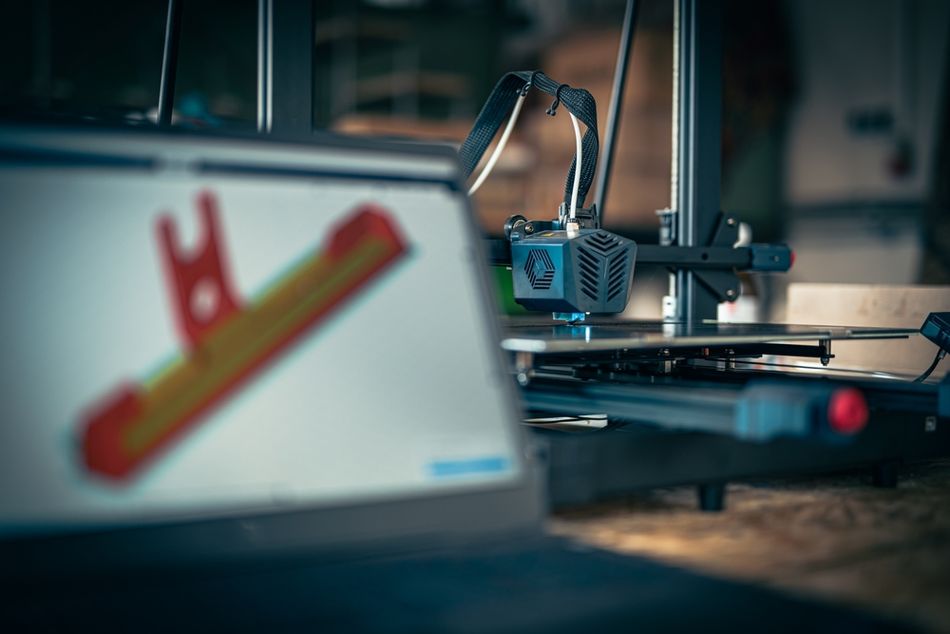
At its core, 3D printing—also known as additive manufacturing—is a process of creating objects layer by layer from digital designs. Unlike subtractive methods, which remove material from a solid block, 3D printing builds parts directly from raw material, minimizing waste and enabling shapes that would be impossible or uneconomical with traditional manufacturing. The workflow typically involves three steps: designing a 3D model with computer-aided design (CAD) software, slicing it into layers with specialized software, and fabricating the object using a printer that deposits, fuses, or cures material in sequence.
The flexibility of 3D printing arises from the diversity of materials and processes on offer. Engineering plastics such as polycarbonate, nylon, ULTEM, and PEEK are used for demanding applications where strength, heat resistance, or chemical durability are essential. Beyond polymers, metals like titanium, stainless steel, and aluminum serve aerospace and medical applications, while ceramics, composites, and bio-compatible materials are expanding the technology’s reach. Techniques such as fused filament fabrication, stereolithography, selective laser sintering, and powder bed fusion each offer distinct advantages.
Because of these capabilities, the applications of 3D printing are unusually broad. Engineers use it to produce prototypes rapidly, reducing design cycles from weeks to days. Manufacturers employ it for lightweight, complex parts in aerospace, automotive, and robotics. Surgeons and dentists rely on it for patient-specific implants and surgical models. Architects and construction firms are experimenting with large-scale printed structures, while researchers explore food printing and regenerative medicine.
Industry Adoption and Market Trends
Additive manufacturing has moved beyond prototyping into production applications. A Protolabs survey of more than 700 engineers and manufacturers found that 67% of respondents use 3D printing primarily for prototyping, while 21% use it for end-use parts. Adoption rates vary by industry: transportation (33%), robotics (30%), and industrial automation (27%) report the highest use of AM for end-use parts. In design industries, 9% use AM for aesthetic parts, more than double the cross-industry average.[2]
The global additive manufacturing market continues to expand rapidly. According to the Wohlers Report 2025, the AM industry grew 9.1% in 2024, reaching USD 21.9 billion, with services and materials outpacing hardware in growth. Key growth drivers include reduced lead times, mass customization, and the ability to manufacture complex geometries that traditional processes cannot achieve.
Emerging trends shaping adoption across industries include:
Aerospace & Defense – Rising use of metal AM for lightweight structures and propulsion components.
Healthcare – Expanding demand for patient-specific implants, dental devices, and surgical guides.
Automotive & Transportation – Increased reliance on AM for prototyping, tooling, and customized end-use parts.
Engineering Plastics – Growing use of high-performance polymers like PEEK, PEKK, and ULTEM in aerospace and industrial tooling.
Hybrid Manufacturing & Multi-Material Printing – Integration of additive with subtractive processes for higher throughput and flexibility.
Automation & AI Integration – Streamlined workflows for part design, quality control, and post-processing.
Applications in Product Development and Manufacturing
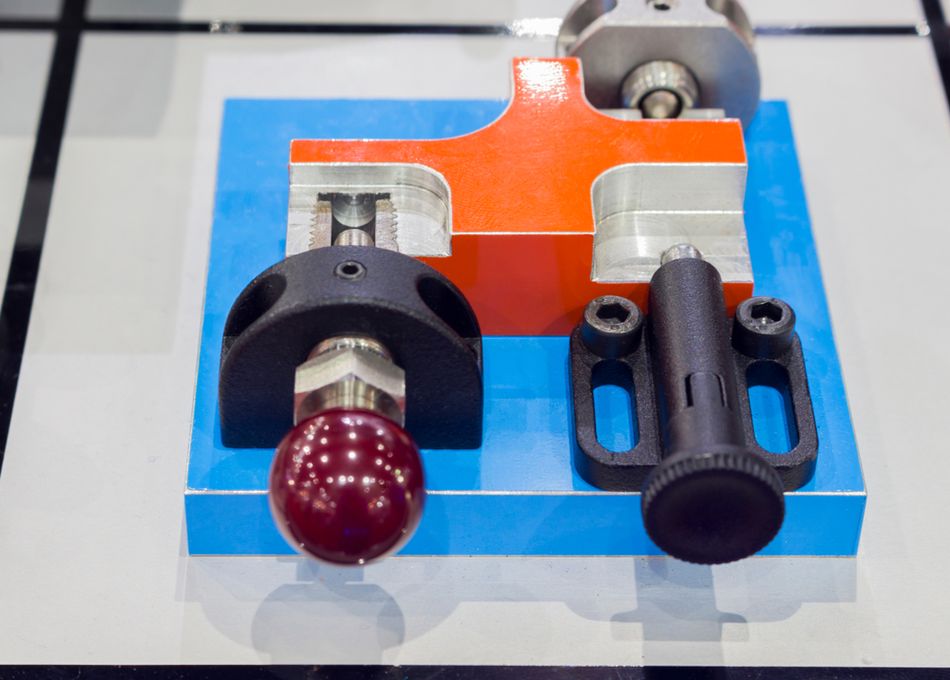
Additive manufacturing has evolved from a niche tool into a core technology for product design and production. Its ability to shorten development cycles, reduce costs, and enable complex geometries has made it indispensable for engineers in fields ranging from consumer products to aerospace. As materials and processes advance, applications now span the full product lifecycle—from concept models to certified end-use parts.
Rapid Prototyping and Iterative Design
The earliest and most pervasive application of 3D printing is rapid prototyping. Engineers can produce prototypes in hours, validate fit and function, and iterate quickly. Fused deposition modeling (FDM) printers using engineering-grade polymers make it feasible to test multiple design variations without outsourcing. This capability reduces product development cycles and fosters innovation, underscoring why prototyping remains the most widely adopted use of additive manufacturing.
Best Practices:
Match process to prototype needs: use FDM or MJF for basic functional prototypes, SLA for high-resolution aesthetic models, and SLS for mechanically robust prototypes.
Design for AM: optimize part orientation, include self-supporting angles, and consider build volume limitations.
Integrate simulation: combine finite element analysis (FEA) with prototypes to refine geometry before printing multiple iterations.
Tooling, Jigs, and Fixtures
Additive manufacturing is well suited for low-volume, custom fixtures and tooling.[3] Printed jigs can hold components during assembly, improving ergonomics and precision. Conformal cooling channels inside printed injection molds reduce cycle times and improve part quality. Because AM eliminates machining steps, custom tooling can be produced faster and at lower cost. For hardware engineers, designing fixtures with integrated sensors or alignment features speeds up both testing and production.
Production Parts and Mass Customization
As materials, processes, and quality assurance improve, additive manufacturing is increasingly used for end-use production parts. Mass customization—producing unique or small-batch components economically—is a defining advantage. Examples include:
Customized consumer products: headphone housings, phone cases, and footwear tailored to individual geometries.
Orthopedic implants: patient-specific devices such as cranial plates or spinal cages printed from titanium or PEEK.
Industrial replacement parts: on-demand spare parts that reduce inventory costs and minimize downtime for legacy equipment.
Successful production requires stringent quality control. Techniques like in-situ monitoring and vapor smoothing enhance surface finish and consistency. Hybrid manufacturing—combining additive and subtractive processes—achieves the tight tolerances and finishes required for precision components, such as printing metal to near-net shape before final machining.
Applications in Electronics and Embedded Systems
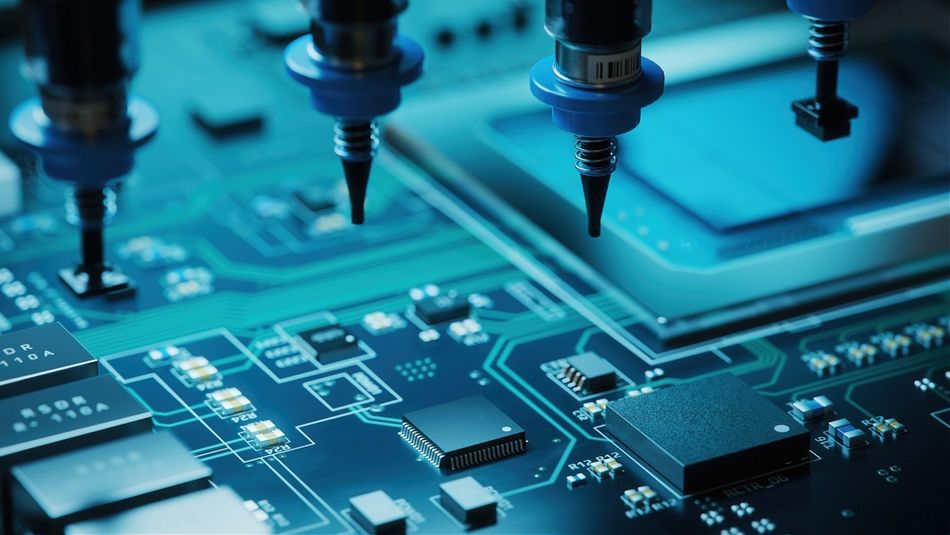
Electronics is one of the fastest-emerging frontiers for additive manufacturing. From flexible circuits to embedded antennas, 3D printing is enabling designs that were once impossible with traditional fabrication. Companies at the leading edge are using AM to integrate electrical and structural elements, reduce assembly steps, and unlock new possibilities for connected devices.
Printed Electronics and Additively Manufactured Electronics (AME)
Additively manufactured electronics (AME) combine structural and electronic functions within a single build, producing lightweight, conformal, and multifunctional devices. Companies such as Nano Dimension and Optomec are pioneering these methods to embed antennas, sensors, and interconnects directly into housings. Applications include integrated antennas in UAV fuselages, printed strain sensors on robotic arms, and LED arrays on curved surfaces.
Key AME processes include:
Aerosol Jet and Inkjet Printing – Optomec and Notion Systems deposit conductive inks (e.g., silver nanoparticles) for interconnects and RFID antennas.
Direct Ink Writing (DIW) – Voxel8 and others use DIW to create thick traces and 3D electronic structures.
Laser Sintering – Companies like Neotech AMT apply laser sintering for high-resolution conductive features.
Challenges and Considerations
Material compatibility: Conductive inks must adhere to substrates; multi-material printing helps integrate conductors with insulating polymers.
Resolution and reliability: Fine features under 50 µm are difficult, and sintering affects conductivity.
Thermal management: Embedding electronics in polymers requires careful heat dissipation strategies.
Printed Circuit Boards (PCBs) and Prototyping
3D printing accelerates PCB prototyping by combining conductive pathways with insulating materials in a single build. Nano Dimension’s DragonFly and Voltera’s printers produce multi-layer, two-sided boards with vias, while FDM and SLA systems from Ultimaker and Formlabs provide enclosures, brackets, and connectors. High-performance polymers from Stratasys, such as PEEK and ULTEM, enable durable housings, while translucent resins are used for light guides and lenses.
Sensors and IoT Devices
Complex geometries and embedded electronics enable sensorized structures and IoT-ready devices. Engineers can print housings with integrated strain, temperature, or pressure sensors, while research is advancing in printed MEMS such as accelerometers and gyroscopes. Companies like Nano Dimension and Optomec highlight the role of AM in accelerating IoT development by integrating antennas, batteries, and housings in low-volume smart devices.
Applications in Industrial Sectors
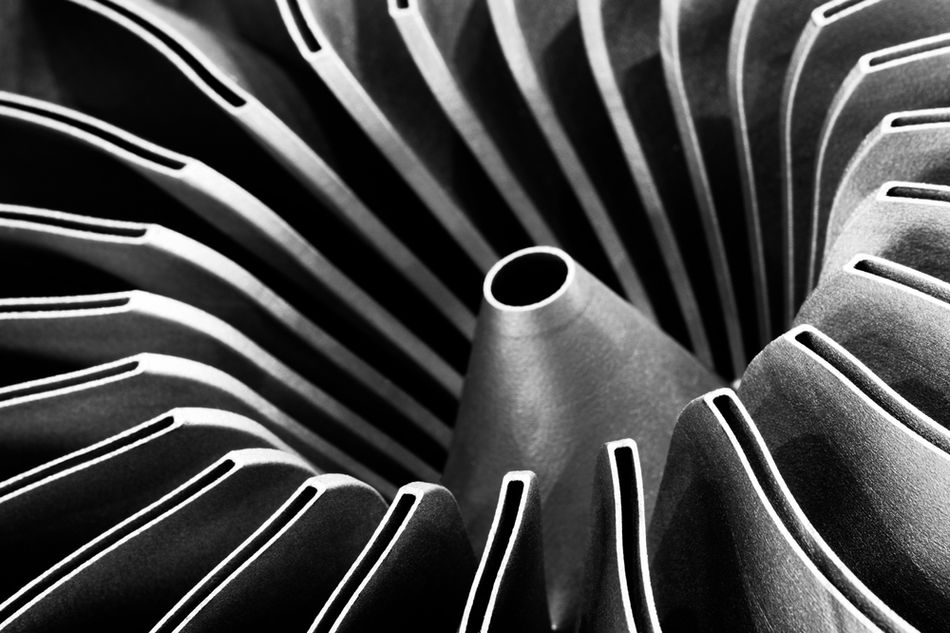
Additive manufacturing is transforming how major industries design, test, and produce parts. By enabling lightweight structures, reducing supply chain complexity, and supporting on-demand production, AM has moved well beyond prototyping into critical end-use applications.
Aerospace and Automotive
The aerospace sector was among the earliest adopters of metal 3D printing, leveraging powder bed fusion and other technologies for lightweight, topology-optimized structures such as engine brackets, fuel nozzles, and turbine blades. General Electric’s LEAP engine fuel nozzle is a flagship example, consolidating 20 parts into a single printed component that is 25% lighter and more durable.[4] NASA also employs additive manufacturing for rocket engine parts, cutting both costs and lead times, while aerospace leaders like Airbus and Boeing have integrated AM into production for structural components and cabin parts. Hardware companies such as EOS and Nikon SLM Solutions provide metal AM platforms driving these applications.
In the automotive sector, additive manufacturing supports prototyping, custom fixtures, and low-volume production. High-performance sports cars feature printed titanium suspension parts, while Formula 1 teams use AM for rapid aerodynamic testing. Electric vehicle (EV) manufacturers, including Tesla and BMW, are adopting printed battery enclosures and cooling channels to enhance energy density and thermal management. As materials and processes mature, low-volume metal part production is becoming increasingly viable, particularly for spare parts and specialty vehicles.
Robotics and Industrial Automation
Robotics applications benefit from AM’s ability to deliver lightweight, biomimetic structures and rapidly customized end-effectors. Engineers can design grippers with internal pneumatic channels or embed sensors directly into robotic arms. Custom tooling for pick-and-place robots, along with printed conveyor components, reduces downtime and improves flexibility. Companies like KUKA and ABB have begun adopting additive approaches for tooling and system integration, while AM suppliers such as Markforged and Desktop Metal enable the production of durable, lightweight industrial components.
Energy
The energy sector increasingly uses additive manufacturing for turbines, heat exchangers, and oil and gas equipment. Printed turbine blades with optimized cooling channels improve efficiency in both power generation and jet engines. Companies such as Siemens Energy and Shell use AM to repair and produce high-value components, reducing downtime and extending service life. In renewable energy, printed parts for wind turbine molds, solar panel mounts, and hydrogen storage systems are being developed to improve performance and reduce costs. Equipment providers like GE Additive and Velo3D supply the large-format and high-precision metal printers that make these applications possible.
Applications in Healthcare and Biomedicine
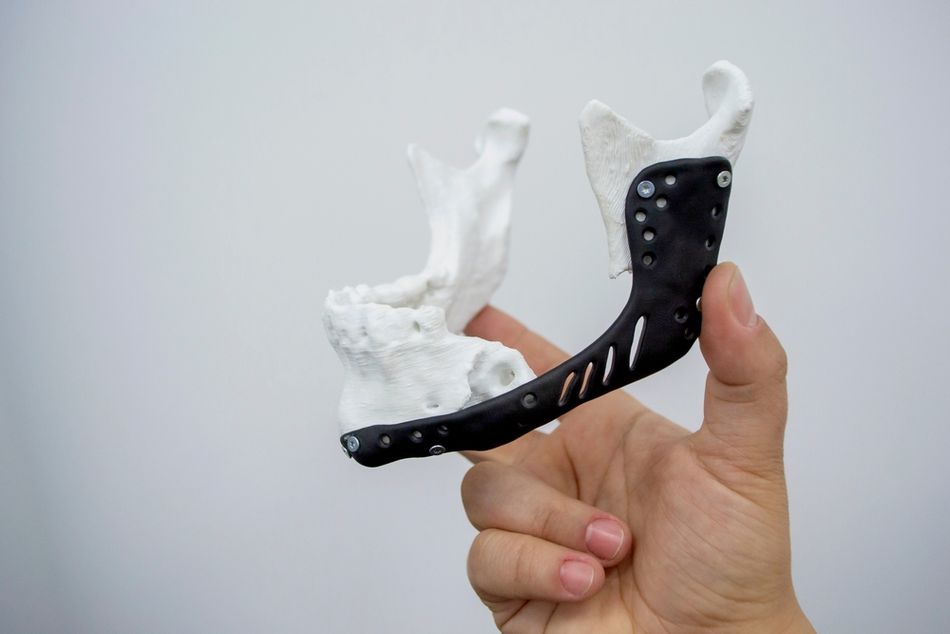
Healthcare has become one of the most dynamic fields for additive manufacturing, with applications ranging from surgical planning models to fully functional implants. The ability to tailor devices to individual patients, combined with advances in biocompatible materials and regulatory acceptance, has made 3D printing an essential tool in modern medicine.
Medical Devices and Implants
Additive manufacturing has transformed the production of patient-specific implants by enabling devices tailored to individual anatomy. Using CT or MRI data, surgeons can design cranial plates, jawbone replacements, spinal cages, hip cups, and other implants that fit precisely. Titanium implants are commonly produced with direct metal laser sintering (DMLS) or electron beam melting (EBM), creating porous lattice structures that promote bone in-growth while reducing weight.
In dentistry, aligners and surgical guides are produced in large volumes with stereolithography (SLA) and digital light processing (DLP) machines from providers like Formlabs and Stratasys. The U.S. FDA has cleared more than 100 medical devices manufactured by additive processes, underscoring the technology’s clinical adoption.[5]
Prosthetics and Orthotics
3D printing enables affordable and highly customized prosthetics, especially in regions with limited access to traditional manufacturing. Polymer-based prosthetic limbs, often made with fused deposition modeling (FDM) printers, allow rapid production at low cost. Orthotic devices, including insoles and braces, benefit from 3D scanning combined with printing in nylon or TPU, enhancing comfort and biomechanical performance. High-end exoskeleton components are produced with selective laser sintering (SLS) for strength and durability.
Bioprinting and Tissue Engineering
Bioprinting aims to fabricate living tissues by depositing cell-laden hydrogels, or “bio-inks,” in controlled patterns. Techniques include extrusion-based bioprinting and inkjet bioprinting, which arrange cells to form structures like vascular channels, skin grafts, and liver tissue models. Companies such as CELLINK (BICO Group) and VivoSim Labs make commercial bioprinting platforms. Challenges remain in achieving vascularization, mechanical stability, and regulatory approval, but the field continues to progress from lab-scale studies toward clinical applications.
Surgical Planning and Education
Surgeons increasingly use printed anatomical models for pre-operative planning and surgical training. Patient imaging data is converted into 3D models and printed with transparent or full-color resins. Printers from companies like Materialise, Stratasys, and Formlabs are widely used for producing bone replicas, organ models, and surgical guides. These models improve surgical accuracy, reduce time in the operating room, and provide medical students with tactile learning tools.
Applications in Construction and Architecture
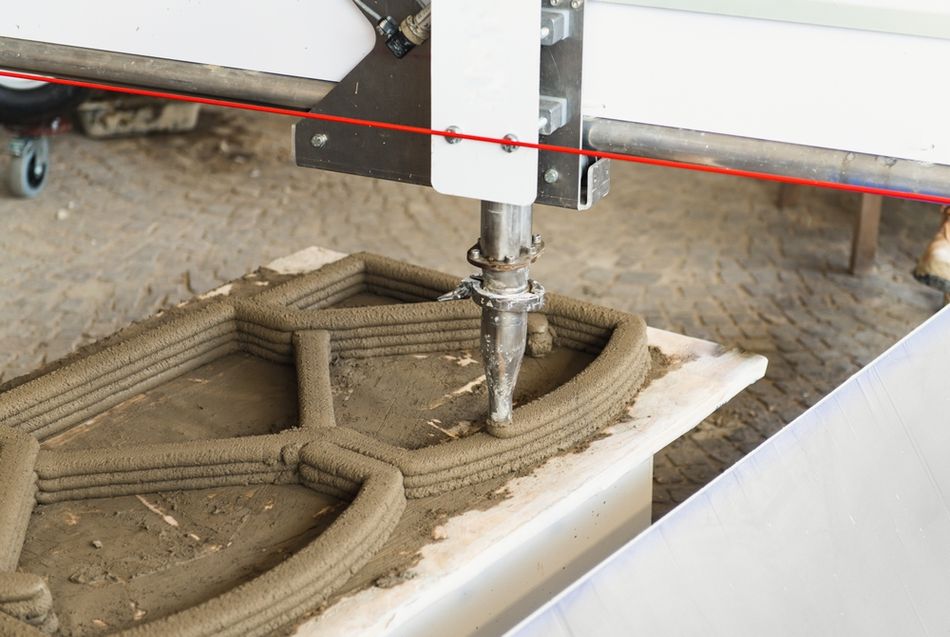
Construction is another sector where 3D printing is reshaping traditional practices. By scaling up additive manufacturing to the size of buildings, engineers and architects can reduce costs, shorten project timelines, and experiment with new sustainable materials. Large-scale 3D printing is still emerging, but it is already demonstrating potential for both infrastructure and housing.
Large-Scale 3D Printing
Additive manufacturing has scaled up to construction, with robotic and gantry-based systems extruding concrete or geopolymer mixes layer by layer. This allows the creation of walls, bridges, and even multi-story buildings without traditional formwork. Companies such as COBOD (Denmark) and XTreeE (France) are at the forefront of large-scale 3D printing, demonstrating projects from affordable housing to complex architectural components. The approach reduces labor requirements, shortens construction timelines, and minimizes waste.
Sustainability Considerations
While 3D printing in construction offers freedom of form and efficiency, traditional cement-based mixes have high embodied carbon. Research programs, including the U.S. Department of Energy’s IBUILD initiative, explore low-carbon materials such as bio-based fibers (hemp hurd, sawdust, nanocellulose) and recycled aggregates. Experimental studies show that fiber reinforcement can improve both sustainability and mechanical strength, with extrusion behavior influencing fiber alignment and bending resistance. By combining digital fabrication with greener materials, 3D printing could lower the environmental footprint of future construction.
Architectural Innovation
Architects use additive methods to realize complex geometries, lightweight facades, and integrated building systems. Computational design tools paired with AM allow the fabrication of lattice and cellular structures that maintain strength while minimizing material. 3D printing also makes it possible to integrate conduits, insulation, and fixtures directly into printed walls, supporting rapid deployment of urban micro-housing and experimental architectural forms.
Future Directions and Emerging Technologies
The future of additive manufacturing is defined by a steady shift from prototyping to certified, large-scale end-use production. AI and machine learning are being integrated into design, monitoring, and process control, reducing variability and enabling closed-loop feedback. At the same time, micro-scale printing is advancing in medical and dental fields, large-format extrusion systems are scaling production of automotive and construction components, and 4D printing is introducing adaptive, stimulus-responsive materials.
Progress, however, depends heavily on certification and standards: aerospace, medical, and defense sectors now demand validated processes, traceable materials, and documented quality controls. Organizations such as ASTM, ISO, the FDA, and the FAA are central to this transition, while companies like Stratasys, EOS, Materialise, and 3D Systems see the next phase of growth tied to industrialization, sustainability, and regulatory readiness.
Future directions in additive manufacturing:
End-use production: Further expansion beyond prototyping in aerospace, healthcare, automotive, and consumer products.
Certification & standards: Greater emphasis on validated processes, part traceability, and compliance with ASTM, ISO, FDA, and FAA requirements.
AI-driven optimization: Generative design, predictive analytics, and closed-loop monitoring to improve quality and reduce defects.
Micro- and large-scale printing: Two-photon polymerization for microdevices; robotic, large-format extrusion for industrial and construction components.
4D printing: Smart materials such as shape-memory polymers and hydrogels enabling adaptive implants, deployable electronics, and responsive structures.
Sustainability & industrialization: Focus on energy efficiency, low-carbon materials, and scalable production methods.
Conclusion
3D printing’s evolution from a prototyping curiosity to a mainstream manufacturing technology has opened up unprecedented possibilities across engineering and electronics. Rapid prototyping remains a cornerstone, allowing designers to iterate quickly and validate concepts. However, AM is now pivotal for production of end‑use parts, custom tooling, embedded electronics, medical devices, construction components, and consumer products. Market data show robust growth and increasing adoption across industries.
Technological advancements—new materials, hybrid manufacturing, multi‑material printing, micro‑ and large‑format processes, AI integration, and computational control of microstructure—continue to broaden the applications of 3D printing. Engineers and students should understand process capabilities, material behavior, design constraints and regulatory requirements. By leveraging AM strategically, designers can create complex, customized and sustainable products that were previously impossible.
Frequently Asked Questions (FAQ)
What are the most common applications of 3D printing in engineering?
The most widespread uses include rapid prototyping, custom fixtures and tooling, and small-batch production of complex 3D printed parts. Production applications are growing, especially in transportation, robotics, and industrial automation, as 3D printing technology becomes more accessible and versatile.
Which materials can be 3D printed?
Materials range from thermoplastics like PLA, ABS, nylon, and PEEK, to photopolymer resins, metals such as titanium, stainless steel, and aluminum, as well as ceramics, composites, and bio-based materials. Multi-material printing allows combination of rigid, flexible, and conductive materials in a single part. These advances enable more cost-effective manufacturing processes for functional 3D printed parts.
How does metal 3D printing differ from plastic printing?
Metal printing uses powder beds and high-energy lasers or electron beams to fuse particles. Controlling microstructure is critical for mechanical properties. Metal printers require inert gas environments and post-processing such as heat treatment, and they are generally more expensive than polymer-based 3D printers. The choice of manufacturing methods depends on the intended application and material performance.
What challenges exist for 3D printed electronics?
Challenges include material compatibility, resolution, and reliability. Conductive inks must adhere to substrates, fine features require precise deposition, and heat management is crucial to avoid damaging surrounding polymers. As 3D printing technology evolves, improvements in desktop 3D printers and industrial systems are helping overcome these limitations.
Is construction 3D printing environmentally sustainable?
3D printing can reduce waste and eliminate formwork, but traditional cement mixes have high embodied carbon. Researchers are developing bio-based, low-carbon, and fiber-reinforced materials to improve sustainability while maintaining structural performance. These innovations show how additive manufacturing methods can enhance environmentally responsible building practices.
What are emerging trends to watch?
Key trends include production-level additive manufacturing, hybrid manufacturing, multi-material printing, automation, AI-assisted design, micro- and large-format printing, and specialized materials. 4D printing and smart materials that change shape over time represent the next frontier. Improvements in 3D printing technology are also enabling cost-effective manufacturing processes and more complex 3D printed parts.
How can students and engineers get started with 3D printing?
Begin by learning design for additive manufacturing principles, such as minimizing overhangs and considering layer orientation. Start with affordable desktop 3D printers or FDM/SLA systems and experiment with different materials. Free and open-source CAD tools and slicers make it accessible. Participate in online communities and tutorials, then gradually progress to advanced manufacturing processes like metal or multi-material printing as skills and budgets grow.
References
[1] Wohlers T, Wohlers Associates. Wohlers Report 2025: 3D Printing and Additive Manufacturing Global State of the Industry. Fort Collins (CO): Wohlers Associates; 2025. Available from: https://wohlersassociates.com/product/wr2025/
[2] Protolabs. 3D Printing Trend Report 2024: A global survey on market growth, ecosystem maturation, and technological innovations in 3D printing. Protolabs; 2024. Available from: https://www.protolabs.com/resources/guides-and-trend-reports/3d-printing-trend-report/
[3] Okpala CC, Igbokwe NC, Nwankwo CO. The Evolution and Impact of Jigs and Fixtures in Modern Manufacturing. International Journal of Engineering Inventions. 2024 Jul 31;13(7):125-31.
[4] GE Aerospace. Manufacturing milestone: 30,000 additive fuel nozzles. GE Aerospace; 2018 Oct 4. Available from: https://www.geaerospace.com/news/articles/manufacturing/manufacturing-milestone-30000-additive-fuel-nozzles
[5] U.S. Food and Drug Administration. Additive Manufacturing Program: Research on Additive Manufacturing for Medical Devices. FDA; 2023 Nov 6. Available from: https://www.fda.gov/medical-devices/medical-device-regulatory-science-research-programs-conducted-osel/additive-manufacturing-program-research-additive-manufacturing-medical-devices
in this article
1. Fundamentals of 3D Printing2. Industry Adoption and Market Trends3. Applications in Product Development and Manufacturing4. Applications in Electronics and Embedded Systems5. Applications in Industrial Sectors6. Applications in Healthcare and Biomedicine7. Applications in Construction and Architecture8. Future Directions and Emerging Technologies9. Conclusion10. Frequently Asked Questions (FAQ)11. References