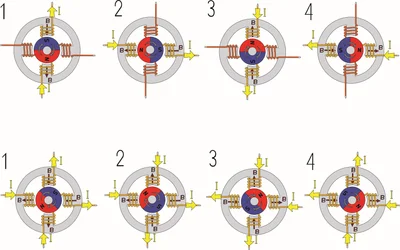
How microstepping works in stepper motors, the incremental torque cost of each resolution, and why finer microsteps do not improve positioning accuracy.
Technical Guides
Latest Posts
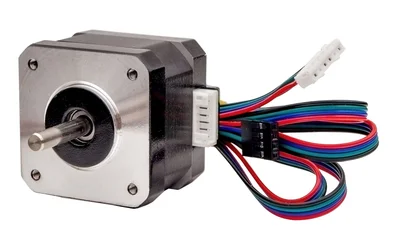
How closed-loop stepper motors use encoder feedback to eliminate missed steps, plus driver design, NEMA sizing, and when to choose a servo instead.
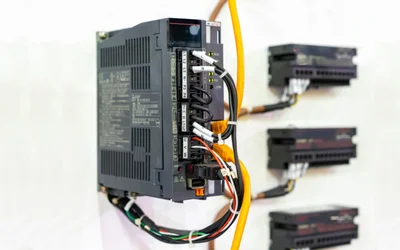
This guide covers what is inside a servo drive, how its nested servo loops behave, how EtherCAT and CANopen interfaces change the architecture, and how to size, tune, and safely commission one.
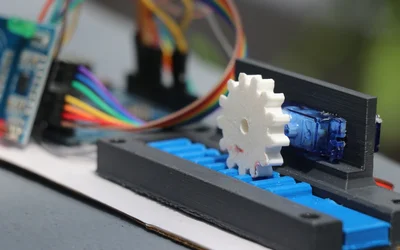
This article explains how a servo motor works, its construction, control loops, encoder and resolver feedback, AC and DC types, sizing math, and tuning fixes.
What a programmable automation controller is, how PACs are built and programmed, and how to choose between a PLC and a PAC.

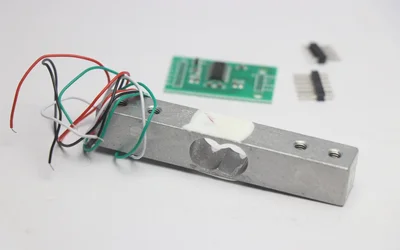
This article explains how load cells work, the main types, what accuracy specs and OIML/NTEP classes mean, and best practices for sizing, wiring, and installation.
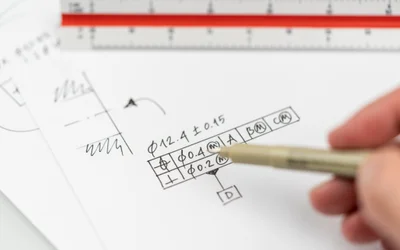
Tolerance stack up is when dimensional tolerances accumulate, leading to more variation across a part or assembly.

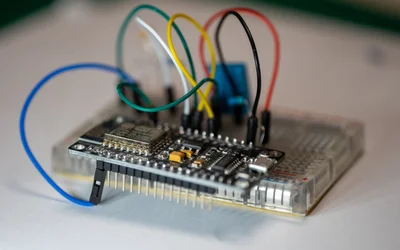
This article explains the ESP8266 pinout, covering GPIO mapping, boot-strapping pins, safe-to-use pins, flash connections, ADC limits, deep-sleep functions, and NodeMCU and D1 mini pin labels.

Design for additive manufacturing (DfAM) is the discipline of shaping a part around what a 3D printer can actually build.

Design for manufacturing and assembly (DFMA) reduces product cost where it is actually decided: on the drawing board.

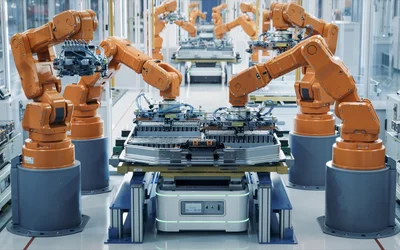
This guide explains industrial automation systems, the automation pyramid, core technologies, types, applications, benefits, and Industry 4.0 trends shaping smart manufacturing in 2026.

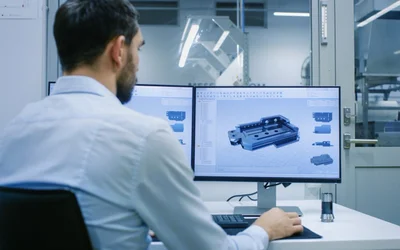
Design for manufacturing turns manufacturability into a design input instead of a production problem. This guide covers its principles, design rules, tolerance cost tradeoffs, and a practical DFM checklist.

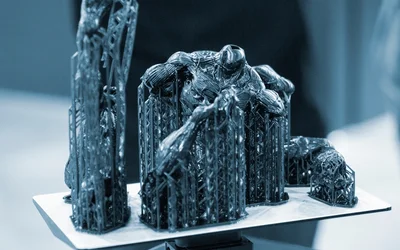
This article looks at essential strategies and solutions for optimizing 3D print support structures across FDM, SLA, and other technologies
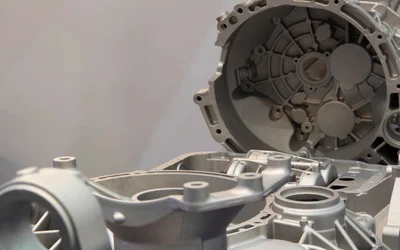
Unlock the potential of aluminum die casting in modern engineering applications through advanced techniques.
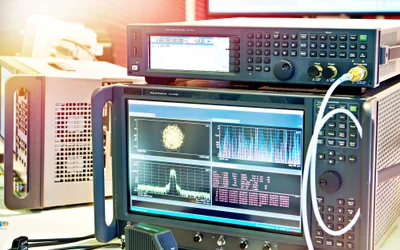
How engineers measure jitter, crosstalk, impedance, eye margin, and BER for reliable PCB designs
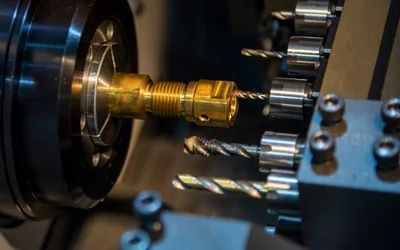
What is Swiss machining? This guide explains how Swiss-type lathes work, how they differ from conventional lathes, and when to use them.
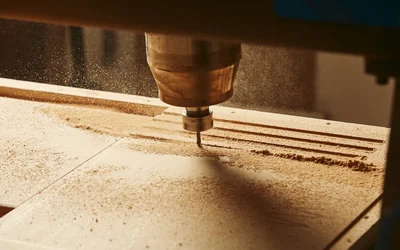
What is a CNC router? This guide explains how a CNC router works, what it is built from, the materials it cuts, and where it fits among CNC machines.
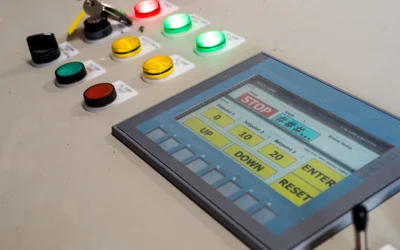
Design, wire, protect, and troubleshoot motor starting systems.


The Seebeck effect converts a temperature difference across a conductor or junction of two materials into a voltage. This article reviews the physics, Seebeck coefficients, thermoelectric materials, figure of merit, thermocouples, and generator design.

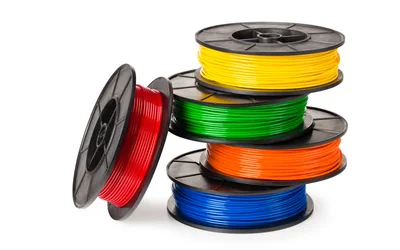
What is PLA filament and why is it so popular for entry-level 3D printing and beyond? This article covers the basics of Polylactic Acid.
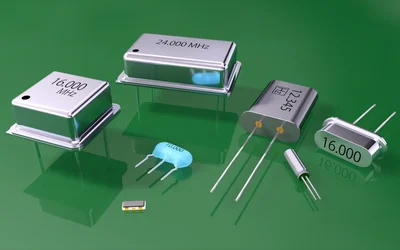
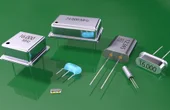
A crystal oscillator circuit uses a quartz crystal and an amplifier to generate a highly stable frequency reference. This guide explains Pierce oscillator design, load capacitance, negative resistance, drive level, startup behavior, and frequency stability in microcontrollers and RF systems.
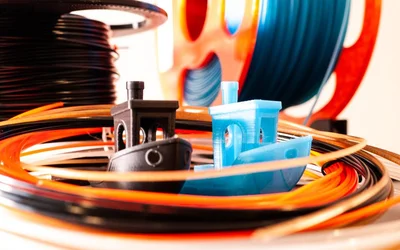
PETG vs PLA is a question asked by many newcomers to FFF 3D printing, with both materials offering important benefits. Choosing between them often comes down to the requirements of the project.
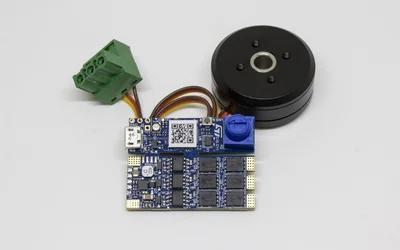
Electronic power stage and control choices for brushless DC motors.
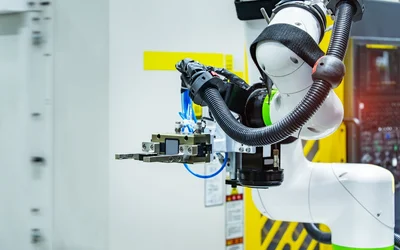
A deep-dive listicle guiding controls, automation, and quality engineers toward the best vision systems for manufacturing applications in 2026.
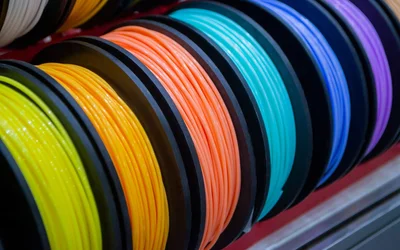
What is 3D printer filament? This guide examines polymers, additives, and composites, offering practical tips for digital design and hardware engineers.