
Featured
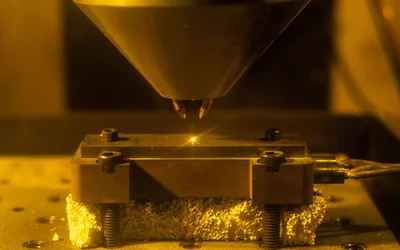
A developing new materials discovery framework creates a pathway to printable parts for turbine engines.
A developing new materials discovery framework creates a pathway to printable parts for turbine engines.
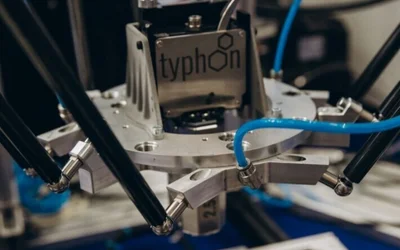
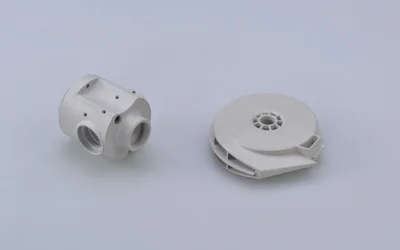
SmartZavod’s automated hybrid technology combines polymer additive manufacturing and CNC machining for high-quality functional parts.
Georg Utz Holding AG is a globally recognized manufacturer of plastic products specifically designed for transport and intralogistics. It is the global market leader in producing customized reusable plastic packaging solutions.
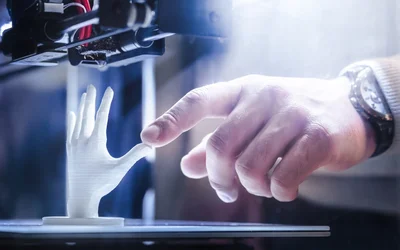
What is 3D printing? This article goes over the basics of 3D printing, otherwise known as additive manufacturing, covering its engineering principles and applications.
14 minutes read.
17 minutes read.
11 minutes read.
18 minutes read.
13 minutes read.
10 minutes read.


Entertainment
The Next Byte Podcast is hosted by two young engineers - Daniel and Farbod - who select the most interesting tech/engineering cont...
165 Posts
Lean manufacturing focuses on creating more value with less waste. Pioneered by Toyota in the 1950s, this approach helps businesses streamline processes, improve efficiency, and eliminate activities that don't add value to the final product.
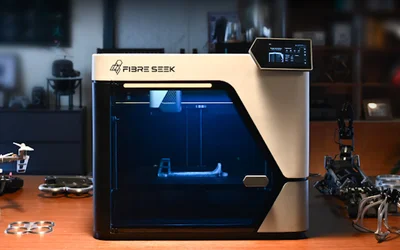
Following a successful crowdfunding campaign, the FibreSeeker 3 from FibreSeek is bringing continuous carbon fiber printing to a new audience.
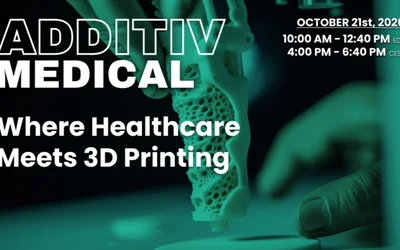
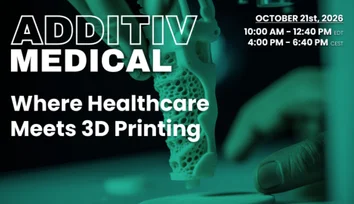
ADDITIV Medical 2026 will bring together more than 500 medical professionals
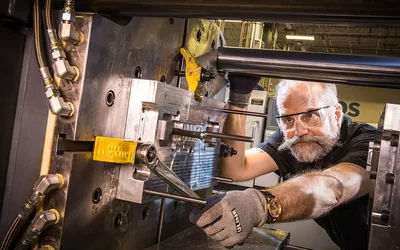
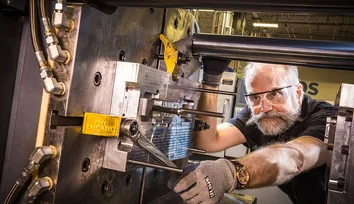
Choosing between 3D printing and injection molding is one of the key decisions in product development—especially in case of prototyping.
The data problem
From leading experts at the CDFAM Computational Design Symposium
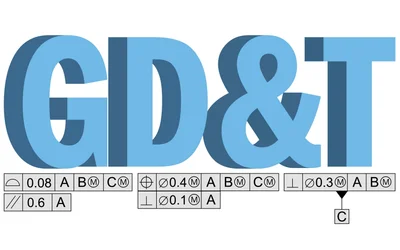
GD&T is the symbolic language engineers use to state exactly how much a part can vary and still work. This guide covers the basics.
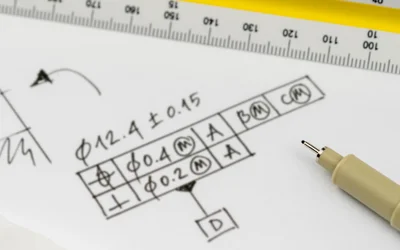
This guide covers the true position formula, how to read the feature control frame, and how MMC and LMC generate bonus tolerance.
A developing new materials discovery framework creates a pathway to printable parts for turbine engines.

3 minutes read
SmartZavod’s automated hybrid technology combines polymer additive manufacturing and CNC machining for high-quality functional parts.
Georg Utz Holding AG is a globally recognized manufacturer of plastic products specifically designed for transport and intralogistics. It is the global market leader in producing customized reusable plastic packaging solutions.

3 minutes read
Metal 3D printing: 4 cases when to choose it over CNC machining and when not.

5 minutes read
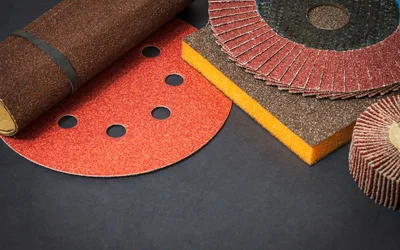
For FDM and other processes, 3D printer sanding is a key post-processing technique for removing layer lines and improving surface finish. Here we discuss how to do it.
Build strength into your part design by incorporating strategic support features and selecting the right thermoplastics.

4 minutes read
Navigating the differences between thermistors and thermocouples can be pivotal for engineers seeking precision in temperature measurement. This guide delves into their unique properties, advancements, and applications to help you make an informed decision.
High-performance thermoplastic composites can be used to replace metals. While PEEK is the benchmark for engineering performance, reinforced PPS is a genuine low-cost alternative.
WAB-GROUP is where innovation and tradition come together to provide customers with world-class solutions in the areas of wet grinding technology, three-dimensional shaking mixing technology, and flow chemistry.
3 minutes read
In metal additive manufacturing, titanium powders have some of the most high-value applications, from aerospace manufacturing to patient-specific medical implants.
A re-development of classical CAN by Bosch in 2012, CAN FD is the protocol that operates all moving machines like cars, planes, robots, etc. This guide will unfold its foundational concepts, recent advancements, practical applications, and the challenges, for engineering professionals.
In this episode, we discuss how Audi technicians and mechanics are leveraging a commonly available 3D printer to develop jigs and fixtures for assembling their high performance cars!

19 minutes read
In our digitally connected world, seamless integration and communication between devices are not just conveniences but necessities to ensure the success of businesses, whether just starting out or firmly established.

3 minutes read
In this article, we'll explore what draft angle in injection molded parts is, its benefits, and five key strategies for effectively incorporating it into your designs.

4 minutes read
Investing in quality control inevitably results in better-quality products that are less likely to malfunction or break down. This enables heavy equipment manufacturers to reduce the costs associated with warranty claims, repairing or replacing products, and handling customer complaints.
4 minutes read