
Featured
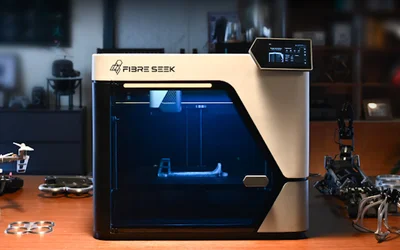
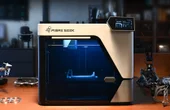
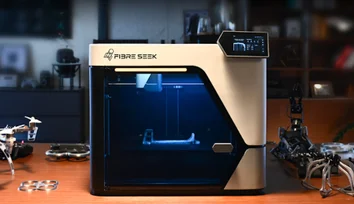
Following a successful crowdfunding campaign, the FibreSeeker 3 from FibreSeek is bringing continuous carbon fiber printing to a new audience.
Following a successful crowdfunding campaign, the FibreSeeker 3 from FibreSeek is bringing continuous carbon fiber printing to a new audience.
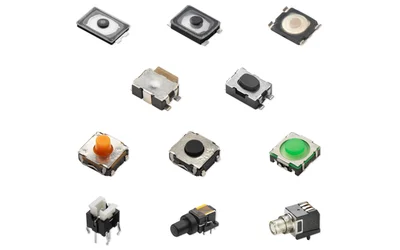
The TactSure platform combines tactile performance with the dependability required by professional equipment manufacturers worldwide.
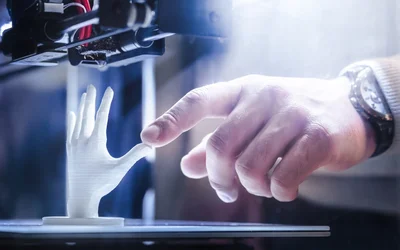
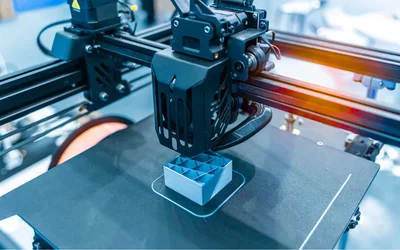
What is 3D printing? This article goes over the basics of 3D printing, otherwise known as additive manufacturing, covering its engineering principles and applications.
14 minutes read.
17 minutes read.
11 minutes read.
18 minutes read.
13 minutes read.
10 minutes read.


Entertainment
The Next Byte Podcast is hosted by two young engineers - Daniel and Farbod - who select the most interesting tech/engineering cont...
165 Posts
Following a successful crowdfunding campaign, the FibreSeeker 3 from FibreSeek is bringing continuous carbon fiber printing to a new audience.
ADDITIV Medical 2026 will bring together more than 500 medical professionals
Choosing between 3D printing and injection molding is one of the key decisions in product development—especially in case of prototyping.
Explore how the right finishes and coatings can improve aerospace parts by boosting durability, extending service life, enhancing environmental resistance, and delivering the performance and appearance required for demanding applications.
The data problem
From leading experts at the CDFAM Computational Design Symposium
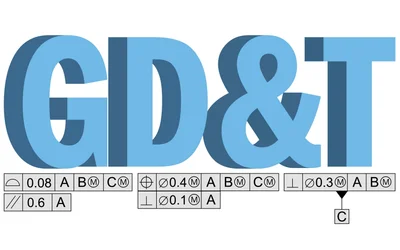
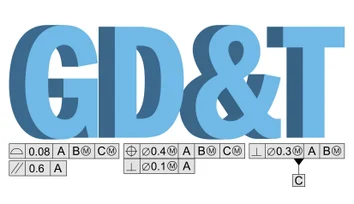
GD&T is the symbolic language engineers use to state exactly how much a part can vary and still work. This guide covers the basics.
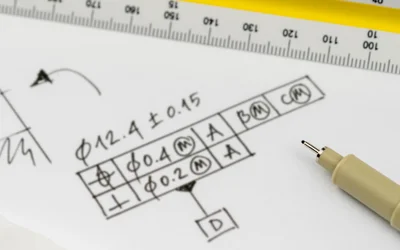
This guide covers the true position formula, how to read the feature control frame, and how MMC and LMC generate bonus tolerance.
Following a successful crowdfunding campaign, the FibreSeeker 3 from FibreSeek is bringing continuous carbon fiber printing to a new audience.
The TactSure platform combines tactile performance with the dependability required by professional equipment manufacturers worldwide.
The data problem

5 minutes read
Manufacturing is evolving rapidly as industry leaders navigate shifting supply chains, economic uncertainty, and changing market demands. Explore the key issues shaping the industry today and discover how manufacturers are embracing innovation to stay competitive.

5 minutes read
More than 70% of the total manufacturing cost of a stainless steel component is determined during the initial design phase, locked in by raw material grade selection and part geometry.

9 minutes read
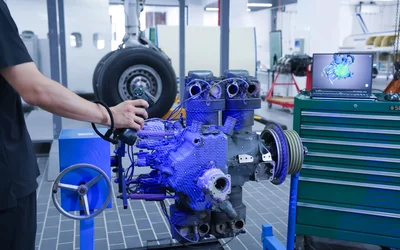
SHINING 3D proudly introduces FreeScan Combo+ Wireless, the latest evolution of our combo family. Building on the proven FreeScan Combo Series platform, it delivers greater freedom of movement, a streamlined scanning experience, and enhanced flexibility for demanding inspection workflows.

2 minutes read
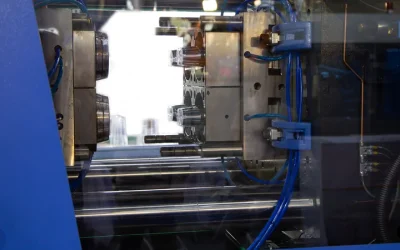
Scientific instrument development requires precision, consistency, and reliable plastic part performance. From laboratory devices and diagnostic equipment to analytical instruments, every component must meet strict requirements for fit, function, appearance, and long-term reliability.

2 minutes read
From leading experts at the CDFAM Computational Design Symposium
6 minutes read
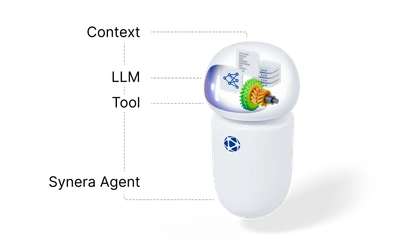
From Single Models to Scalable Agentic Systems

6 minutes read
ADDITIV Medical 2026 will bring together more than 500 medical professionals
GD&T is the symbolic language engineers use to state exactly how much a part can vary and still work. This guide covers the basics.
CNC milling explained: process steps, machine components, axis types, materials, costs, and how FACTUREE sources milling partners.

2 minutes read
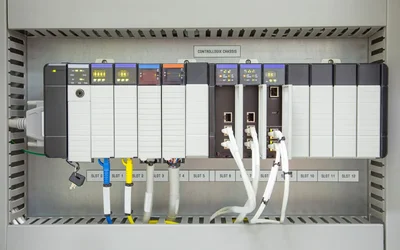
This article explains what is a PLC, what's inside it, how the scan cycle works, which programming languages the current IEC standard defines, and how to choose the right controller for your application.
Rapid prototyping (3D printing, CNC, casting) speeds up product development, cuts costs & risk—turning ideas into tested prototypes fast.
3 minutes read
This guide covers the true position formula, how to read the feature control frame, and how MMC and LMC generate bonus tolerance.