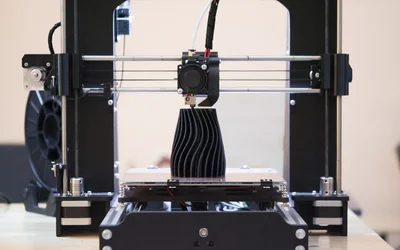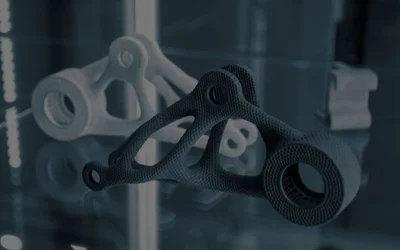

What is 3D printing? This article goes over the basics of 3D printing, otherwise known as additive manufacturing, covering its engineering principles and applications.
What is 3D printer filament made of? This guide examines polymers, additives, and composites, offering practical tips for digital design and hardware engineers.
Learn everything you need about the full adder circuit. From binary addition theory to low-power hardware implementations and modern ASIC/FPGA design flows, this technical article equips digital design engineers, hardware engineers with practical insights and current research trends.
Explore how a transistor works from first principles through practical circuit design. This in depth guide explains BJT and FET operation, switching and amplification modes, design calculations, modern market trends, and FAQs, ideal for digital design engineers, hardware engineers, and students.
Advanced 3D scanning delivers comprehensive, high-accuracy inspection for massive grinding roller shells. It replaces manual measurement with fast, traceable digital analysis, enabling smarter maintenance and reduced operational costs.
Manufacturing sourcing within North America shortens lead times, reduces geopolitical and transportation risks, and enhances supply chain efficiency and resilience.
In this article we’ll take a look specifically at FDM printers and explore the factors that influence how long a 3D printer can remain functional and reliable - and what you can do to ensure that your printer stays at the top of its game for longer.
Additive printing, commonly known as 3D printing, has rapidly emerged as one of the most transformative technologies in manufacturing. By allowing manufacturers to build objects layer by layer, this technique has revolutionized the way products are designed, produced, and customized.
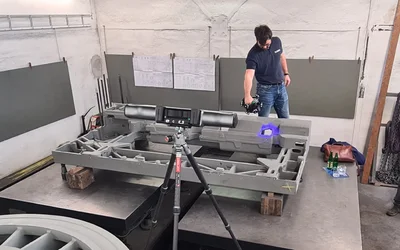
This video shows how Toshiba Hydro Power (Hangzhou) Co., Ltd, a leading hydropower equipment manufacturer, improves inspection workflows with SCANTECH’s optical 3D measurement system TrackScan-Sharp. Learn more.
Both FDM & FFF create three-dimensional objects by extruding melted thermoplastic filament through a nozzle, building up layers to form the final product. The distinction between FDM and FFF lies not in the technology itself, but in their origins.
The future of hardware engineering is being redefined by automation, Git-powered version control, and CI/CD integration. With tools like AllSpice enabling real-time collaboration, development cycles are becoming faster, smarter, and more seamless—pushing the limits of innovation like never before.
CAD file types are fundamental to modern engineering workflows. This guide explores different CAD file formats, explaining their uses, advantages, and how to choose the right format.
For product designers aiming to lower costs and boost efficiency, selecting the right CNC design strategies is a game-changer. One critical yet often overlooked factor is the number of setups required during machining.