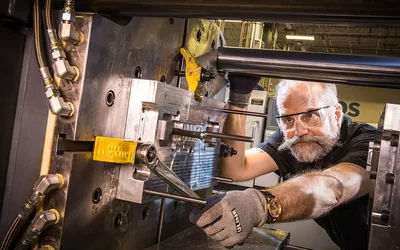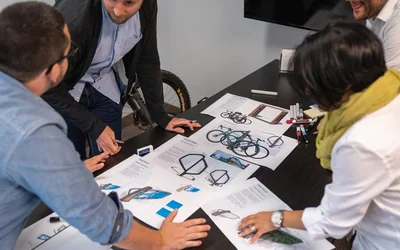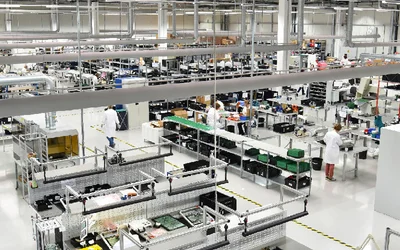

This Report shows how tools like artificial intelligence, digital twins, and on-demand manufacturing are no longer emerging concepts, but are already delivering measurable impact across the product lifecycle.
DLP (Digital Light Processing) 3D printing uses photopolymerization to create 3D objects. Understanding the photopolymerization process can help you mitigate common problems that make your prints fail or that reduce print quality.
What is DLP is a 3D printing? This article aims to provide an in-depth understanding of DLP 3D printing, its working principles, advantages, limitations, and diverse applications in various sectors.
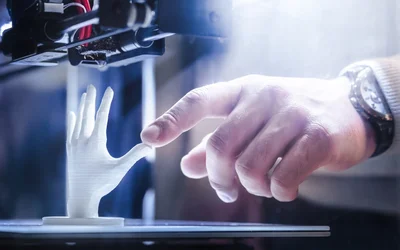
What is 3D printing? This article goes over the basics of 3D printing, otherwise known as additive manufacturing, covering its engineering principles and applications.
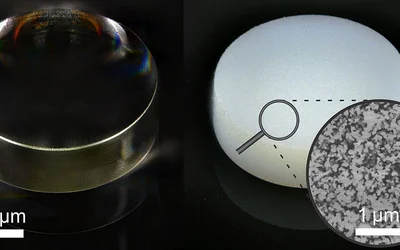
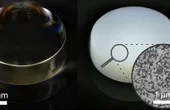
EPFL researchers have developed a way to use holograms to guide laser light for ultra-efficient, fast, and precise volumetric 3D printing. The innovation enables cell-compatible, high-resolution 3D printing at scales suitable for biomedical applications.
Princeton researchers have combined brain cells and advanced electronics into a 3D device that can be programmed to recognize patterns using computational techniques.
DLP (Digital Light Processing) 3D printing uses photopolymerization to create 3D objects. Understanding the photopolymerization process can help you mitigate common problems that make your prints fail or that reduce print quality.

What is DLP is a 3D printing? This article aims to provide an in-depth understanding of DLP 3D printing, its working principles, advantages, limitations, and diverse applications in various sectors.
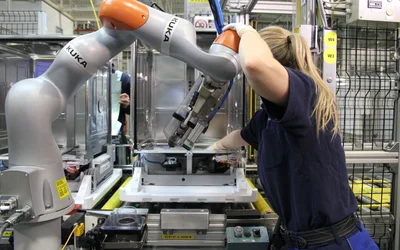
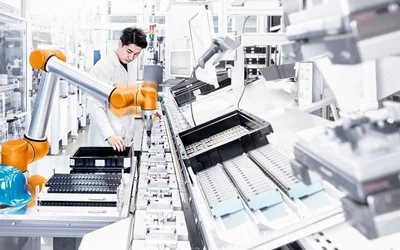
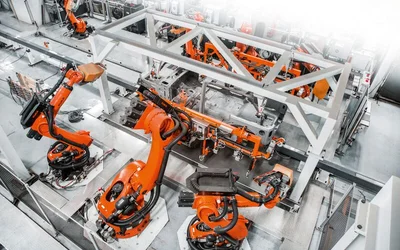
In human-robot collaboration, human and machine work hand in hand. The human operator controls and monitors production, the robots perform the physically strenuous work. Both contribute their specific capabilities.