
Featured
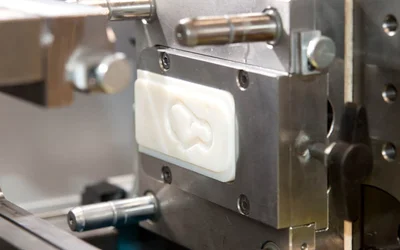
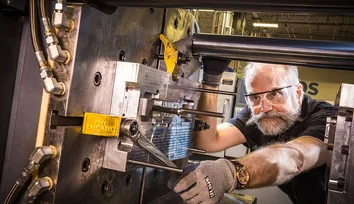
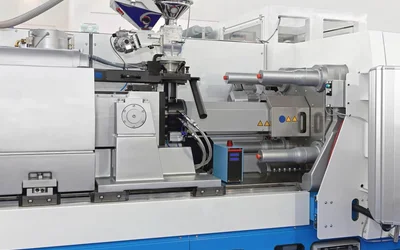
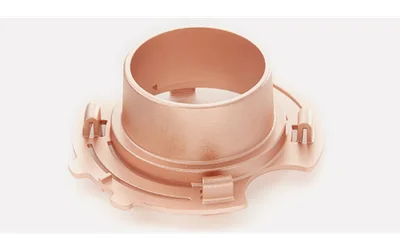
3D printing is creating new opportunities for injection molding, making low-volume production more viable than ever
3D printing is creating new opportunities for injection molding, making low-volume production more viable than ever
In this episode, we talk about how a boutique custom motorcycle company is leveraging 3D printing to create desired components at a fraction of the cost and time required by conventional manufacturing techniques.
What is 3D printing? This article goes over the basics of 3D printing, otherwise known as additive manufacturing, covering its engineering principles and applications.
14 minutes read.
17 minutes read.
11 minutes read.
18 minutes read.
13 minutes read.
10 minutes read.


Entertainment
The Next Byte Podcast is hosted by two young engineers - Daniel and Farbod - who select the most interesting tech/engineering cont...
165 Posts
With just one month before the South Asian 3D printing trade show, we look at the events and showcases visitors will be able to take part in.
Lean manufacturing focuses on creating more value with less waste. Pioneered by Toyota in the 1950s, this approach helps businesses streamline processes, improve efficiency, and eliminate activities that don't add value to the final product.
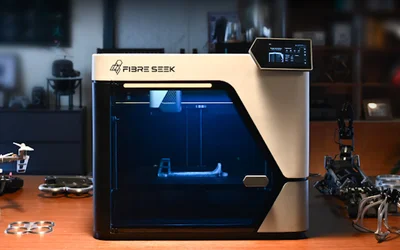
Following a successful crowdfunding campaign, the FibreSeeker 3 from FibreSeek is bringing continuous carbon fiber printing to a new audience.
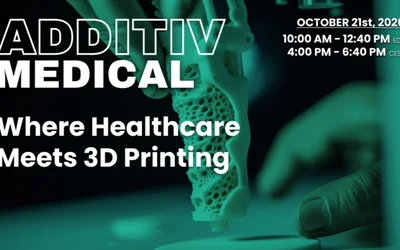
ADDITIV Medical 2026 will bring together more than 500 medical professionals
The data problem
From leading experts at the CDFAM Computational Design Symposium
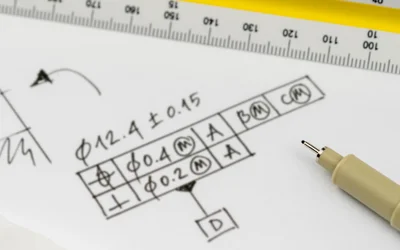
GD&T is the symbolic language engineers use to state exactly how much a part can vary and still work. This guide covers the basics.
This guide covers the true position formula, how to read the feature control frame, and how MMC and LMC generate bonus tolerance.
3D printing is creating new opportunities for injection molding, making low-volume production more viable than ever
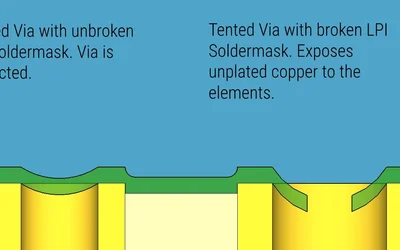
Learn the pros and cons of leaving vias exposed or covered.

4 minutes read
In this episode, we talk about how a boutique custom motorcycle company is leveraging 3D printing to create desired components at a fraction of the cost and time required by conventional manufacturing techniques.

Injection molded parts need to have angled walls so they can be ejected from the mold without getting stuck. This article looks at how to incorporate draft angles during part design.
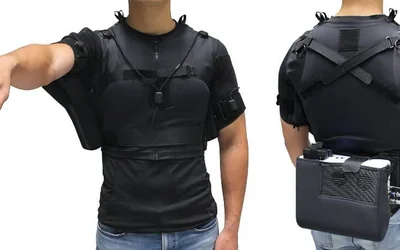
Proof-of-concept device is comfortable, safe, easy to use

4 minutes read
Parts turning to piles of rust? These materials can help you avoid the scourge of corrosion.

6 minutes read
The global trade in counterfeit is worth up to $1 trillion annually, with electronics accounting for a significant portion of that figure. How do you keep your builds counterfeit-free?
4 minutes read
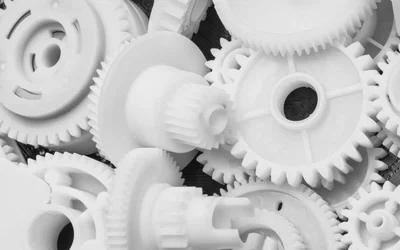
Unlike the traditional production, the on-demand and customized high-mix, low-volume manufacturing services of RPWORLD allows for the design flexibility that mass manufacturing cannot offer. Moreover, the process, tooling and materials being used for low-volume parts sometimes are not as certain as those of mass production parts. That’s why quality assurance is paramount at RPWORLD and it’s one of the core benefits for our customers.

3 minutes read
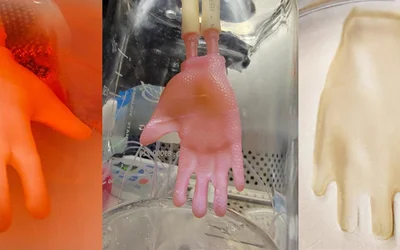
Columbia University devising a way to grow engineered skin in complex, three-dimensional shapes, making it possible to construct, for example, a seamless “glove” of skin cells that can be easily slipped onto a severely burned hand.
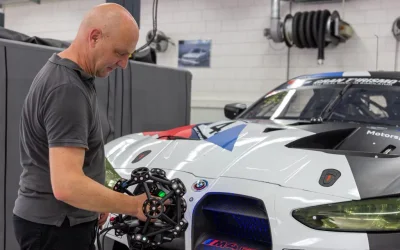
In motorsports, a measurement system must be able to provide accurate information about the condition of a race vehicle very quickly so that engineering teams can optimize both their designs and assemblies.

2 minutes read
The world's first high-temperature aerial platform for Close and General Visual Inspection performs a job at 65°C on an offshore platform.

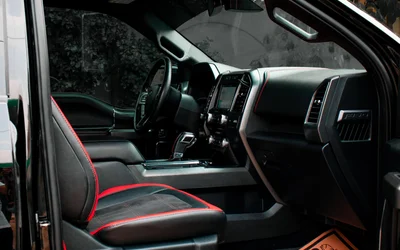
With the high degree of technical complexity and integrated project management, the automotive industry has always been an outstanding representative of high-end manufacturing.
Following the example set by the FIA, M-Sport saw the need to introduce 3D scanning to control the body shell’s accuracy and ensure that the car met regulatory requirements. After all, winning performances often occur by pushing as close to the limit as practical while remaining compliant with regulations. 3D scanning proved to be the technology required to reach this balance.
3 minutes read
Here’s what you need to know about Delrin, a high-performance POM thermoplastic with exceptional strength, durability, and temperature resistance.
Before sending your final design files to your CM for manufacturing, check out these useful tips and final steps.
4 minutes read