Featured
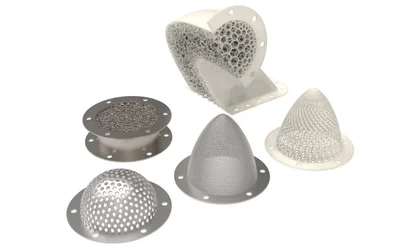
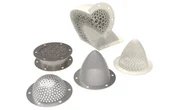
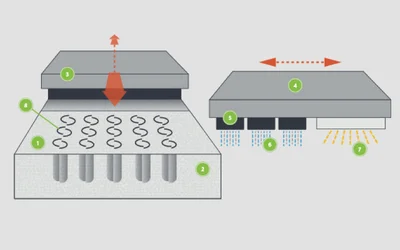
Filtering contaminants from high-temperature and high-pressure flows can often justify the use of additive manufacturing, especially when the performance enhancements provided by advanced design techniques are considered.
This Report shows how tools like artificial intelligence, digital twins, and on-demand manufacturing are no longer emerging concepts, but are already delivering measurable impact across the product lifecycle.
Filtering contaminants from high-temperature and high-pressure flows can often justify the use of additive manufacturing, especially when the performance enhancements provided by advanced design techniques are considered.
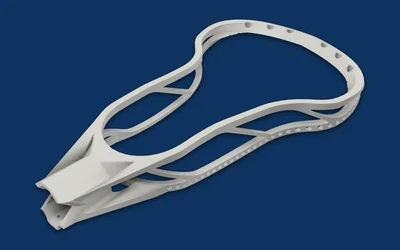
KyronMAX Challenge Community Vote Winner Design Log. This evolving article documents the process of Daniel Scott Mitchell, and Farbod Moghaddam as they work closely with Mitsubishi Chemical Advanced Material engineers to develop their unique lacrosse head design.
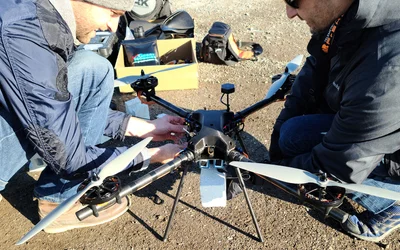
KyronMAX® Challenge Winner Design Log. This evolving article documents the process of Delson Aeronautics as they work closely with Mitsubishi Chemical Advanced Material engineers to develop their ultra-quiet drone blades for commercial production.
An engineer’s guide to understanding the state of the art in metal 3D Printing
15 minutes read.
22 minutes read.
11 minutes read.
18 minutes read.
12 minutes read.
16 minutes read.


Entertainment
The Next Byte Podcast is hosted by two young engineers - Daniel and Farbod - who select the most interesting tech/engineering cont...
165 Posts
ADDITIV Medical 2026 will bring together more than 500 medical professionals
Choosing between 3D printing and injection molding is one of the key decisions in product development—especially in case of prototyping.
The choice between 3D printing and CNC machining is the most common decision regarding manufacturing methods that must be made before placing the first order for prototypes. The correct answer depends on tolerance requirements, material specifications, component geometry, and schedule.
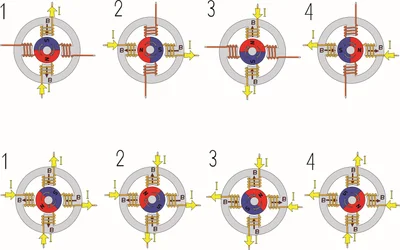
How microstepping works in stepper motors, the incremental torque cost of each resolution, and why finer microsteps do not improve positioning accuracy.
Discover how iAM Marketplace simplifies industrial additive manufacturing by unifying materials, validation services, and multi-brand technologies into one open ecosystem for efficient AM sourcing.
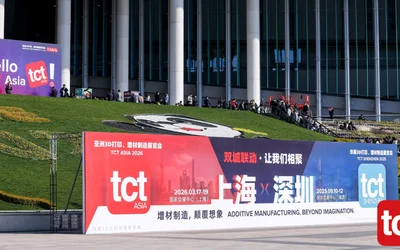
This article discusses what attendees can expect from TCT Asia 2026, including its conference format, focus areas, and the experts contributing to industry-specific discussions.
This article discusses the exhibitors, products, and industrial trends defining additive manufacturing across the Asia-Pacific region at TCT Asia 2026.
This article discusses how the Asia-Pacific region is advancing additive manufacturing and the role of TCT Asia as the leading 3D printing and additive manufacturing event in the Asia-Pacific.
Filtering contaminants from high-temperature and high-pressure flows can often justify the use of additive manufacturing, especially when the performance enhancements provided by advanced design techniques are considered.

8 minutes read
KyronMAX Challenge Community Vote Winner Design Log. This evolving article documents the process of Daniel Scott Mitchell, and Farbod Moghaddam as they work closely with Mitsubishi Chemical Advanced Material engineers to develop their unique lacrosse head design.
KyronMAX® Challenge Winner Design Log. This evolving article documents the process of Delson Aeronautics as they work closely with Mitsubishi Chemical Advanced Material engineers to develop their ultra-quiet drone blades for commercial production.
Create durable prototypes, end-use production parts with HP’s additive manufacturing technology

4 minutes read
At first glance the parts that SLS and MJF produce may seem similar, but a closer look reveals there are some key differences that may sway you to using one over the other.
3 minutes read
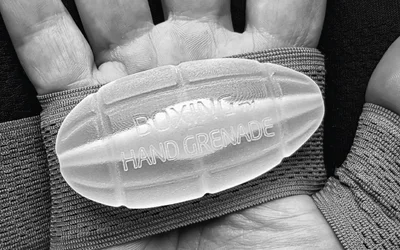
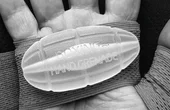
A revolutionary new training aid that aims to reduce injury and improve performance for boxers during bag and pad work is being exported all over the world, including to the training camp of US superstar boxer Gervonta ‘Tank’ Davis, protégé of the legend that is Floyd Mayweather.
3 minutes read
When talking about industries that use 3D printing you probably don't expect to hear fashion and jewellery. These industries are increasingly turning to 3D printing due to its ability to produce fine details, iterate designs quickly and display quality finishes.
4 minutes read
Determined to build the world’s most powerful two-stroke engine, Protolabs is giving this self-proclaimed “normal guy with an obsession with two-stroke engines” a helping hand.
4 minutes read
The founding mission of polySpectra is straightforward: to create engineering-grade materials for additive manufacturing that help designers, inventors, and engineers make their ideas real.
4 minutes read
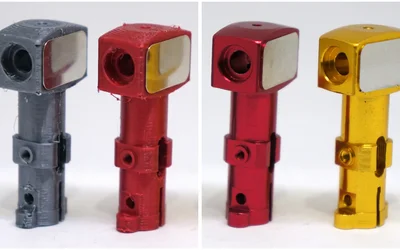
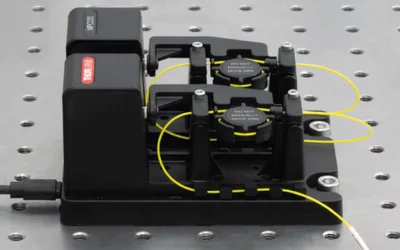
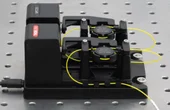
Thorlabs reduced the time to market for its new motorised polarisation controller by several months using Protolabs design analysis, prototyping and on demand manufacturing for its outsourced parts.
3 minutes read
As much as we’d like to think that our first ideas are always the best, that isn’t always the case. Making changes to your design is an incredibly important concept and one that is sometimes easy for us all to forget.
4 minutes read
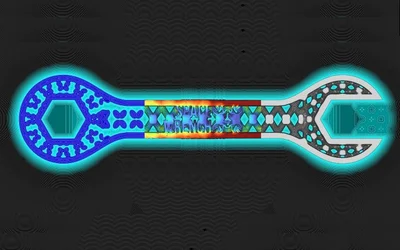
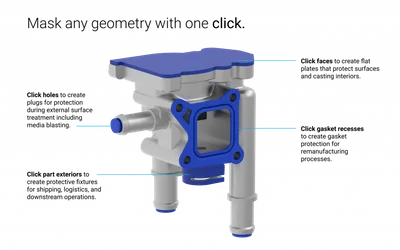
The tools created from the collaboration between Stratasys and nTopology enable manufacturers to generate and 3D print custom fixtures with just a couple of clicks.
2 minutes read
In this episode, we talk about a research from Penn State that has proven the concept of printing tissue during surgery, a joint effort between MIT & Harvard to develop a hair brushing robot, and a breakthrough in anode free and sodium based batteries coming out of Washington University in St. Louis

Andy Gleadall, Lecturer at Loughborough University develops FullControl GCode Designer in the hope to empower people to do the impossible with scripts and slicers.

4 minutes read
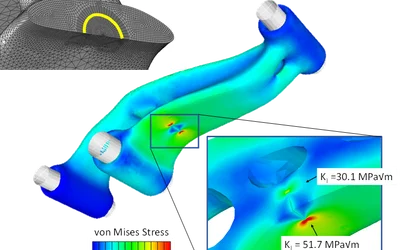
This article shares an example of using nTopology to optimize a part and export it as a CAD body, then using Abaqus to calculate the stress intensity factor of cracks that develop perpendicular to the highest tensile principal stress.
3 minutes read