Featured
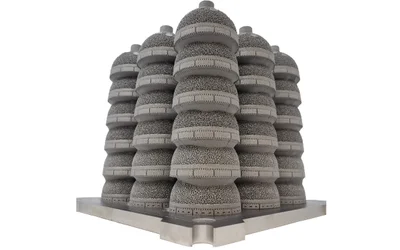
See how Amplify Additive focuses on fusion and osseointegration to manufacture implants.
This Report shows how tools like artificial intelligence, digital twins, and on-demand manufacturing are no longer emerging concepts, but are already delivering measurable impact across the product lifecycle.
See how Amplify Additive focuses on fusion and osseointegration to manufacture implants.
We see concrete examples every day proving how vulnerable supply chains can be. To face these issues and keep your business running and growing, supply chain resilience can be an interesting strategy to look at.
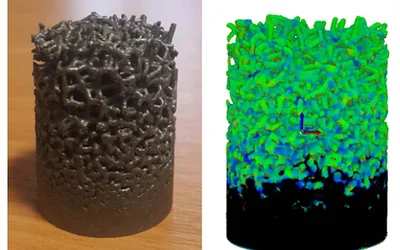
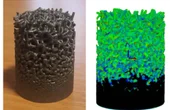
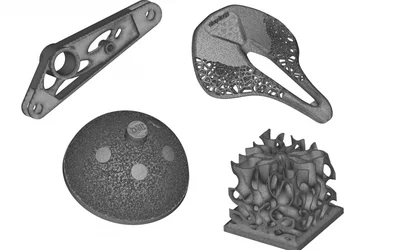
Designing for AM, in general, has its challenges. One challenge is ensuring that your designs will be measurable using X-ray Computed Tomography (XCT). Below, I briefly go over this and invite you to watch my presentation diving deeper into the subject.
An engineer’s guide to understanding the state of the art in metal 3D Printing
15 minutes read.
22 minutes read.
11 minutes read.
18 minutes read.
12 minutes read.
16 minutes read.


Entertainment
The Next Byte Podcast is hosted by two young engineers - Daniel and Farbod - who select the most interesting tech/engineering cont...
165 Posts
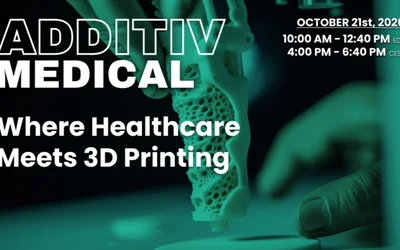
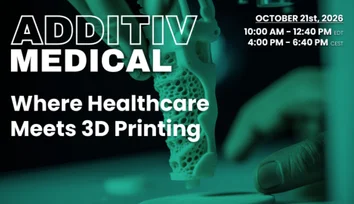
ADDITIV Medical 2026 will bring together more than 500 medical professionals
Choosing between 3D printing and injection molding is one of the key decisions in product development—especially in case of prototyping.
The choice between 3D printing and CNC machining is the most common decision regarding manufacturing methods that must be made before placing the first order for prototypes. The correct answer depends on tolerance requirements, material specifications, component geometry, and schedule.
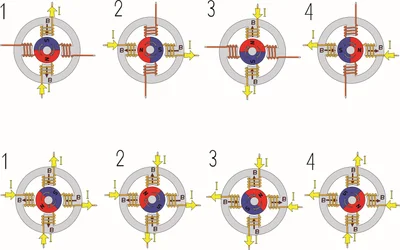
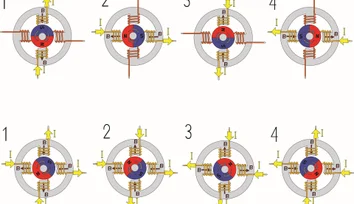
How microstepping works in stepper motors, the incremental torque cost of each resolution, and why finer microsteps do not improve positioning accuracy.
Discover how iAM Marketplace simplifies industrial additive manufacturing by unifying materials, validation services, and multi-brand technologies into one open ecosystem for efficient AM sourcing.
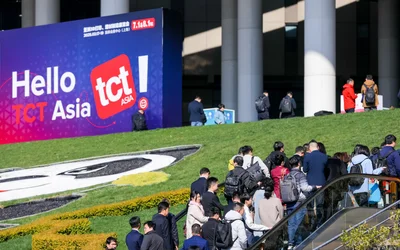
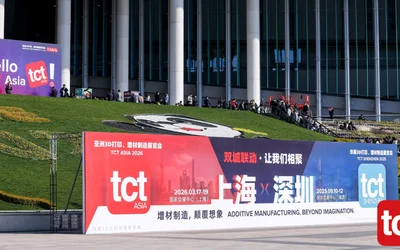
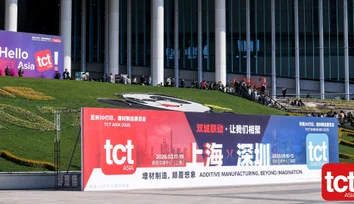
This article discusses what attendees can expect from TCT Asia 2026, including its conference format, focus areas, and the experts contributing to industry-specific discussions.
This article discusses the exhibitors, products, and industrial trends defining additive manufacturing across the Asia-Pacific region at TCT Asia 2026.
This article discusses how the Asia-Pacific region is advancing additive manufacturing and the role of TCT Asia as the leading 3D printing and additive manufacturing event in the Asia-Pacific.
See how Amplify Additive focuses on fusion and osseointegration to manufacture implants.

3 minutes read
We see concrete examples every day proving how vulnerable supply chains can be. To face these issues and keep your business running and growing, supply chain resilience can be an interesting strategy to look at.

4 minutes read
Designing for AM, in general, has its challenges. One challenge is ensuring that your designs will be measurable using X-ray Computed Tomography (XCT). Below, I briefly go over this and invite you to watch my presentation diving deeper into the subject.
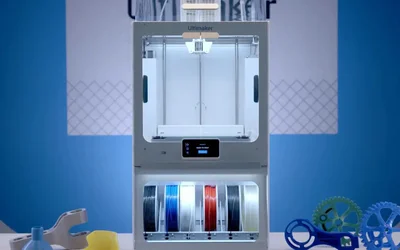
An update for Ultimaker S-line printers, Firmware 6.5 helps to improve your 3D printing workflow, as we introduce more streamlined troubleshooting and error handling, and the ability to import material profiles from USB.

3 minutes read
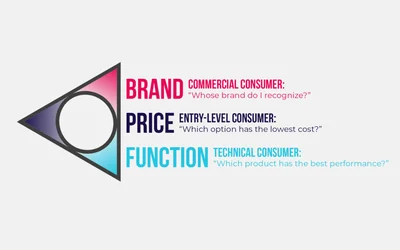
Color, Material, and Function (CMF) are three things to consider when designing a new product. When used appropriately and combined with additive manufacturing, they can help set your product apart from competition when others have brand recognition, lower price, or better technical specs.
4 minutes read
How large-scale 3D printing is helping manufacturers expedite product design cycles.

6 minutes read
An improved engineering workflow with Ultimaker Cura 4.10
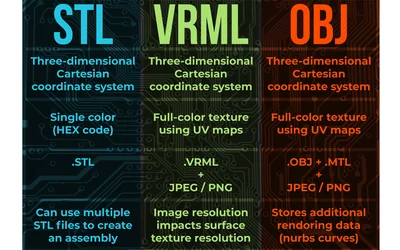
Designing a product for full color 3D printing can be a bit of a nightmare because you need a way to convert your files into the file extension type that allows you to print without losing the design intention. Read further to learn how I do it at Stratasys.
3 minutes read
Manufacturing industrial grippers come with their challenges and difficulties. The role of additive manufacturing is growing in the robotics industry, and gripping systems appear to be an interesting part of producing with this technology.
5 minutes read
3D printing benefits many businesses in varying industries and sectors. The technology – also known as additive manufacturing – is a fast, easy way to create prototypes in-house, and to manufacture tools and end-use products.
3 minutes read
Accurate mesh generation is a critical step of every engineering design workflow that involves FE analyses, CFD simulations, or Additive Manufacturing.
8 minutes read
Ultimaker is proud to announce the release of its new PETG material, designed specifically for great results with Ultimaker 3D printers.
4 minutes read
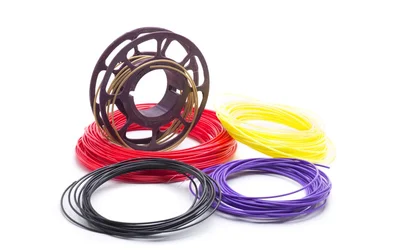
Delve into the variety of filament options available and discover how to select the perfect material to meet the specific requirements of your 3D printed projects.
Before starting to 3D print, you will need to make sure you have gathered all the necessary software “ingredients” that will guide you through the printing process, from preparing your 3D model to managing printers themselves.
4 minutes read
In this episode, we talk about a new machine learning model developed by NIST to predict flashover in burning buildings and protect firefighters, NASA’s new ultrasonic additive manufacturing approach, and an affordable, high performance athletic prosthetic.