Soldering wires is the process of joining electrical conductors using a melted filler metal to create strong, low-resistance connections. This guide explains tools, techniques, heat control, materials, common defects, and engineering best practices for reliable electrical connections.
Technical Guides
Latest Posts

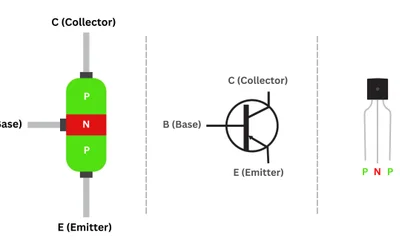
This article focuses on the PNP transistor, exploring its structure, physics, operating modes, differences from its NPN counterpart, and how to design reliable switching, amplification, and power management circuits using it.
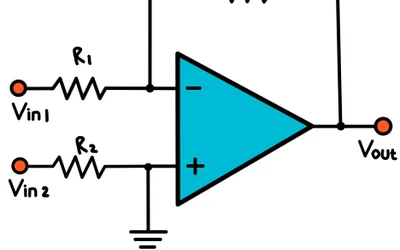
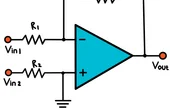
An operational amplifier (op-amp) is a high-gain differential amplifier used in analog circuitry to process and condition signals. This article examines op-amp theory, ideal and real behavior, key specifications, core circuits, applications, and practical design considerations.
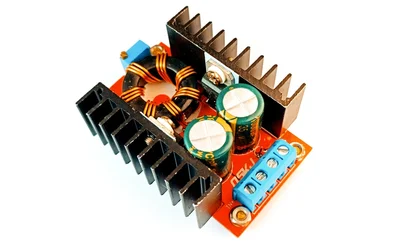
This guide explores the theory behind switching regulators, compares the most common topologies, and details practical design considerations.

Understanding the full potential of the universal NAND gate by mastering its truth table, transistor implementations, electrical characteristics and real-world applications.

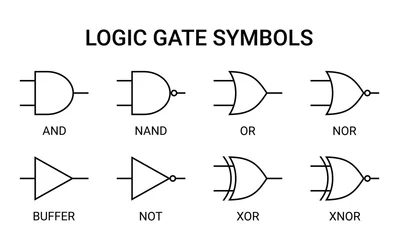
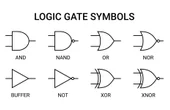
This article provides a detailed examination of logic gate symbols, truth tables, and transistor level implementations, with practical insights for digital design and hardware professionals.
This article explores transistor circuit design for digital design engineers, hardware engineers, and electronics engineering students. Find out the theoretical foundations with practical guidance, enabling you to confidently build and analyze analog and digital transistor circuits.


A deep dive into the UART protocol for digital design engineers, hardware engineers, and electronics engineering students. Learn how this common serial interface works, its configuration parameters, applications, and how it differs from other protocols.

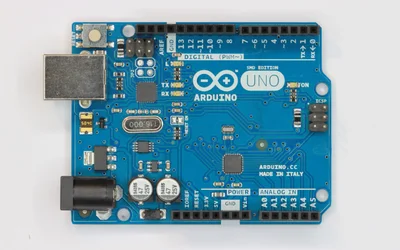
This article covers every aspect of the Arduino UNO pinout, presenting a technical, pin-by-pin explanation to help readers confidently design, analyze, and implement Arduino-based systems.


This article explores how to read resistor color code correctly, covering the fundamental theory, relevant standards, practical examples, and design-oriented insights, providing practical tips for efficient and accurate circuit prototyping.


A bridge rectifier is an electronic circuit that converts AC to DC using four diodes in a full-wave configuration. This article explains how it works, covers rectifier theory, design calculations, efficiency, types, applications, and practical engineering considerations.
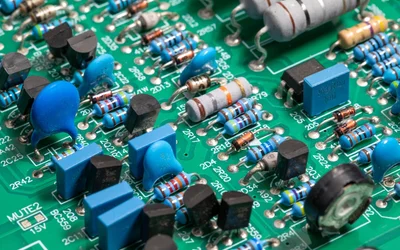
Master transistor circuits with this comprehensive guide. Explore the theory and types of transistor circuits in detail, along with practical considerations and applications.

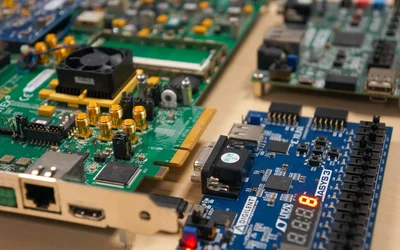
A complete guide to FPGA architecture, covering CLBs, interconnects, memory, DSPs, design flows, HLS, partial reconfiguration, adaptive SoCs, embedded FPGAs, and AI acceleration.

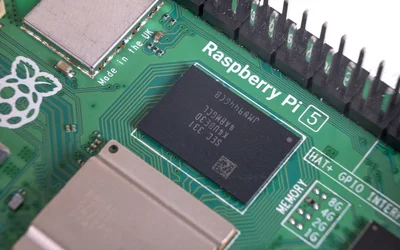
Understanding the signal names, numbering schemes, electrical limits and software control of the Raspberry Pi 5 general purpose input/output (GPIO) header empowers hardware and digital design engineers to build robust embedded solutions.


Three phase circuits deliver balanced power for industrial and high demand applications, but mismatched wires can cause equipment damage or safety hazards. These 3 phase wire color code schemes ensure correct installation, proper phase rotation, and compliance with electrical codes.

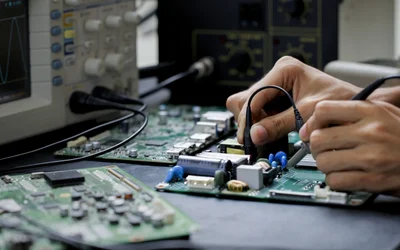
A practical guide for engineers to find Thevenin voltage in DC and AC circuits and apply it in real-world circuits for power systems, sensors, amplifiers, and efficient load analysis.


This article examines the anodizing process, an electrochemical surface treatment that makes metals like aluminium and titanium more durable and corrosion resistant.


This article explores TPU vs GPU differences in architecture, performance, energy efficiency, cost, and practical implementation, helping engineers and designers choose the right accelerator for AI workloads today!

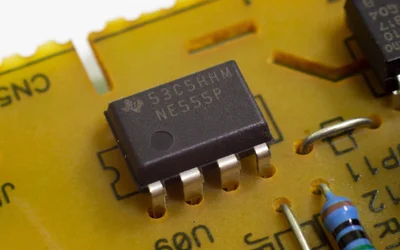
This article explores the theoretical foundations of the 555 timer circuit — covering architecture, modes of operation, timing calculations, design considerations and cutting-edge applications.

A deep dive into the physics, properties, and practical applications of 3D printing filaments, from everyday polylactic acid to performance composites.


A practical guide for engineers and students to master the Raspberry Pi 3 pinout, covering GPIO concepts, annotated tables, code examples, and real-world projects for building reliable circuits and custom hardware.

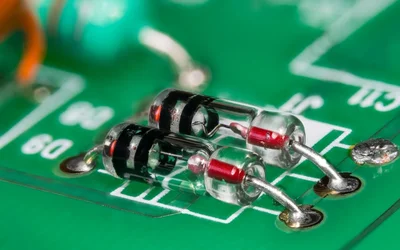
This in-depth guide explains the physics of PN junction diodes, surveys modern diode types, illustrates a standard diode schematic, explores rectifiers, clippers, and clampers, and offers practical design tips.

This article looks at how to optimize strength in additive manufacturing and provides a 3D printer filament strength chart for easy material comparison.

This in depth article compares halfadders and fulladders, the core building blocks of digital circuits. It explains their theory, truth tables, logical expressions, practical implementations and performance tradeoffs. Learn how to implement these adders in hardware description language.

A comprehensive technical guide to flip-flop circuits for digital designers and hardware engineers. Learn the core theory behind latches and flip-flops, explore SR, D, JK, and T types, master critical timing concepts, and apply practical design strategies through real-world examples.