Featuredpodcast
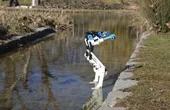
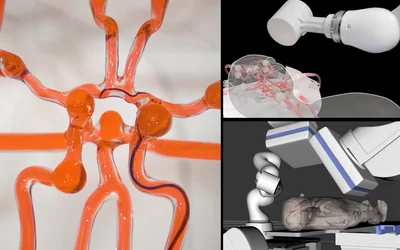
In this episode, we talk about how ostriches are inspiring a new generation of bipedal robots and the innovation enabling remote endovascular surgery.
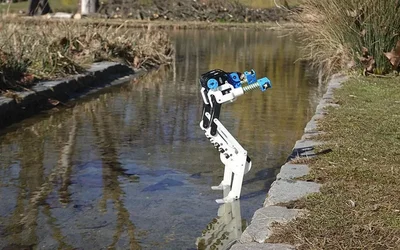
In this episode, we talk about how ostriches are inspiring a new generation of bipedal robots and the innovation enabling remote endovascular surgery.
In this episode, we talk about how ostriches are inspiring a new generation of bipedal robots and the innovation enabling remote endovascular surgery.
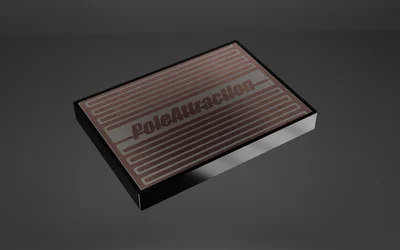
PoleAttraction™ is an advanced stage of electroadhesion technology, developed by Engimotion which promises to revolutionize industrial automation.
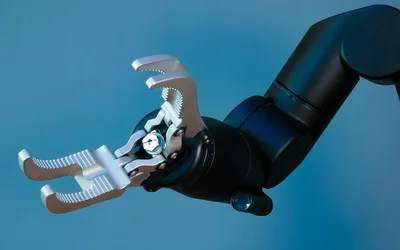
One of the main things people are interested in when solving a complex robotic manipulator problem is the DoF and Functions. These two distinct pieces of terminology help to shortcut conversations and make sure everyone is talking on the same page!
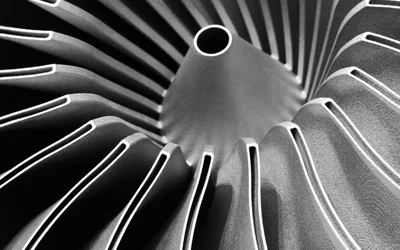
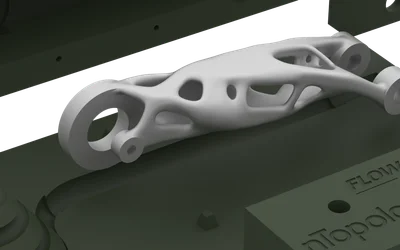
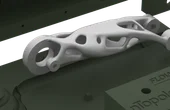
Metal 3D printing is transforming manufacturing by allowing engineers to produce complex, high performance parts directly from digital designs.
16 minutes read.



Research Services
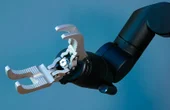
We build next-generation robot hands and systems with advanced dexterity to...
9 Posts
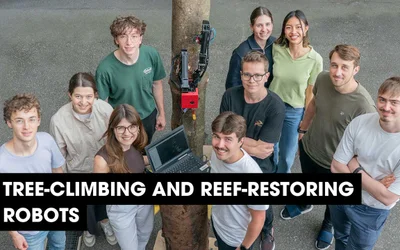
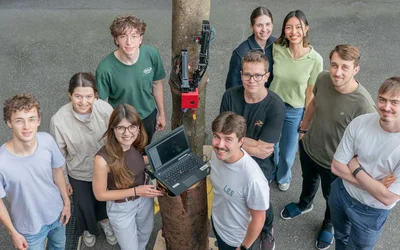
In this episode, we explore two cutting-edge environmental robots developed by ETH Zurich students: MONKEE, a tree-climbing robot for canopy research, and ReefRanger, an autonomous underwater robot that feeds and monitors corals.
Around 100 Bachelor's students from the Department of Mechanical and Process Engineering have spent two semesters working on their Focus projects in 11 teams. They will present the results of their projects on 28 May.
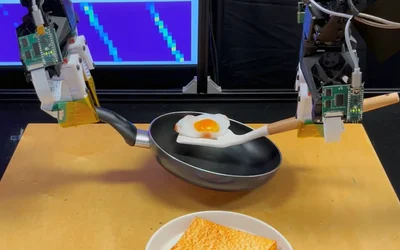
Columbia Engineering computer scientists introduce a novel system that mimics human tactile sensing capabilities in robots.
Price below $90k
Explore the materials powering robotics innovation, from metals to advanced polymers, and see how the right choice determines how well your robot performs in real-world applications.
An annual industry event focused on additive manufacturing, industrial 3D printing, and advanced manufacturing technologies in Europe.
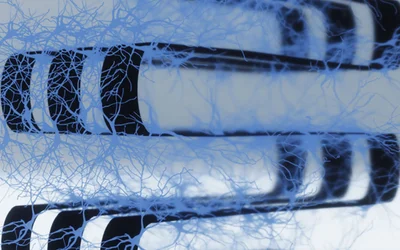
Princeton researchers have combined brain cells and advanced electronics into a 3D device that can be programmed to recognize patterns using computational techniques.
The Future of Metal AM is moving faster than ever. Are you keeping pace?
In this episode, we talk about how ostriches are inspiring a new generation of bipedal robots and the innovation enabling remote endovascular surgery.

PoleAttraction™ is an advanced stage of electroadhesion technology, developed by Engimotion which promises to revolutionize industrial automation.
One of the main things people are interested in when solving a complex robotic manipulator problem is the DoF and Functions. These two distinct pieces of terminology help to shortcut conversations and make sure everyone is talking on the same page!

3 minutes read
The system could provide teleoperated endovascular treatment to patients during the critical time window after a stroke begins.
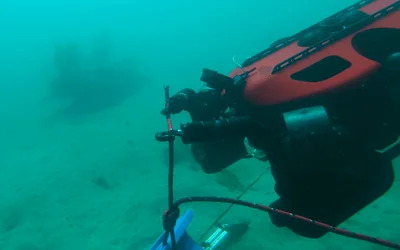
The aim of this article is to provide a high-level answer to the question: “What do people use underwater robotic arms for?” If you’ve worked with Remotely Operated Vehicles (ROVs) before, this article probably isn’t for you. For everyone else, let’s go.
6 minutes read
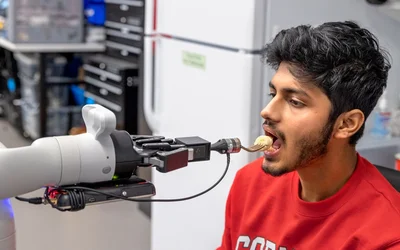
Tapomayukh Bhattacharjee has been working on assistive robotics for approximately a decade, and in speaking to the people who would benefit from new technologies, he’s come to a few realizations.

3 minutes read
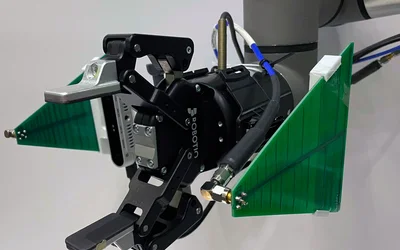
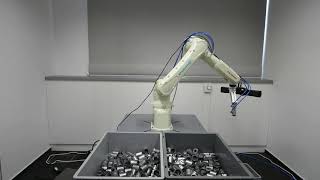
This robotic arm fuses data from a camera and antenna to locate and retrieve items, even if they are buried under a pile.
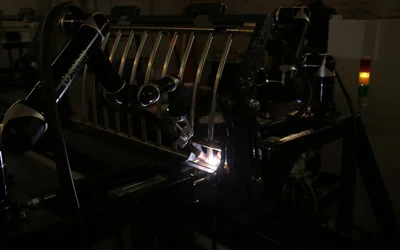
With the number of skilled welders decreasing and the job being rather dangerous, implementing a robotic welding system is the next step for the industry. Here's an example of such a system.

3D printed sand casting molds and cores are changing the way high-performance, large metal parts are manufactured today. Additive manufacturing is enabling modern foundries to produce complex metal parts in rapid lead times.

7 minutes read
There are two ways to mount a 3D vision system in the robotic cell, each having its advantages and each being more suitable for certain applications. However, there are many cases where hand-eye calibration surpasses the more traditional setup in a number of respects.

4 minutes read
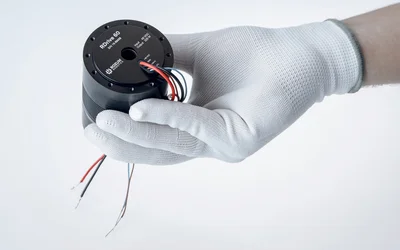
Ordering a custom one isn't a walk in the park—that's why it's better to follow a custom motor roadmap.
4 minutes read
In this webinar (July 2020) we take the first public in-depth look at the Reach Bravo underwater robotic arm system and answer attendees questions.
An Adobe Mixture of Dirt and Straw
Whether free and flexible movements or defined sequences, the modular pneumatic lightweight robot can be used for a wide variety of applications in the context of human–robot collaboration depending on the composition and mounted gripper.

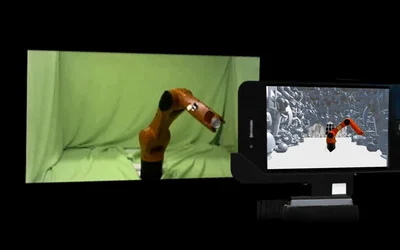
Using AR and robotics as Storytelling Mediums

4 minutes read