Featured
Explore the materials powering robotics innovation, from metals to advanced polymers, and see how the right choice determines how well your robot performs in real-world applications.
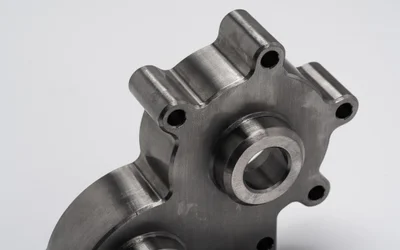
Explore the materials powering robotics innovation, from metals to advanced polymers, and see how the right choice determines how well your robot performs in real-world applications.
Explore the materials powering robotics innovation, from metals to advanced polymers, and see how the right choice determines how well your robot performs in real-world applications.
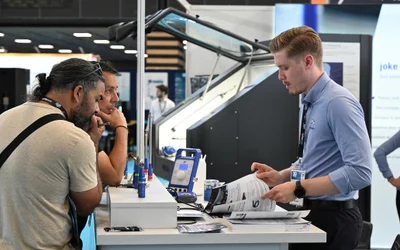
An annual industry event focused on additive manufacturing, industrial 3D printing, and advanced manufacturing technologies in Europe.
Princeton researchers have combined brain cells and advanced electronics into a 3D device that can be programmed to recognize patterns using computational techniques.
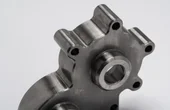
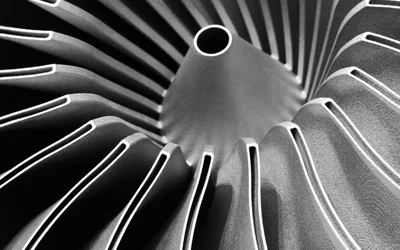
Metal 3D printing is transforming manufacturing by allowing engineers to produce complex, high performance parts directly from digital designs.
16 minutes read.



Research Services
We build next-generation robot hands and systems with advanced dexterity to...
9 Posts
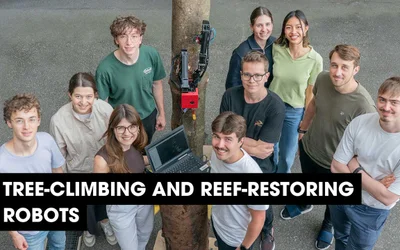
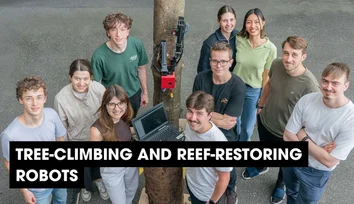
In this episode, we explore two cutting-edge environmental robots developed by ETH Zurich students: MONKEE, a tree-climbing robot for canopy research, and ReefRanger, an autonomous underwater robot that feeds and monitors corals.
Around 100 Bachelor's students from the Department of Mechanical and Process Engineering have spent two semesters working on their Focus projects in 11 teams. They will present the results of their projects on 28 May.
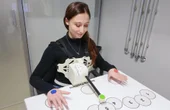
Columbia Engineering computer scientists introduce a novel system that mimics human tactile sensing capabilities in robots.
Price below $90k
Explore the materials powering robotics innovation, from metals to advanced polymers, and see how the right choice determines how well your robot performs in real-world applications.
An annual industry event focused on additive manufacturing, industrial 3D printing, and advanced manufacturing technologies in Europe.
Princeton researchers have combined brain cells and advanced electronics into a 3D device that can be programmed to recognize patterns using computational techniques.
The Future of Metal AM is moving faster than ever. Are you keeping pace?
Explore the materials powering robotics innovation, from metals to advanced polymers, and see how the right choice determines how well your robot performs in real-world applications.

5 minutes read
An annual industry event focused on additive manufacturing, industrial 3D printing, and advanced manufacturing technologies in Europe.
Princeton researchers have combined brain cells and advanced electronics into a 3D device that can be programmed to recognize patterns using computational techniques.
The Future of Metal AM is moving faster than ever. Are you keeping pace?
An AI control system co-developed by SMART researchers enables soft robotic arms to learn a broad set of motions once and adapt instantly to changing conditions without retraining.
Organised by Dublin City University, Ireland, and the 4D Printing Society
New design method adjusts all parts of rolling contact joints

4 minutes read
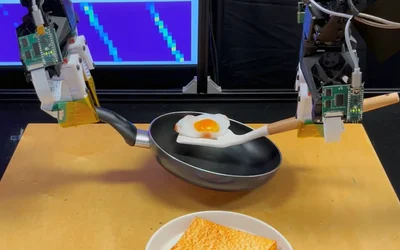
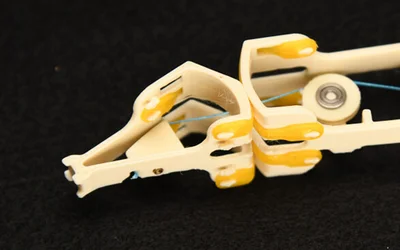
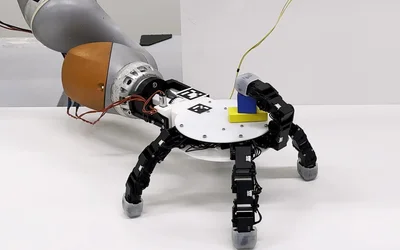
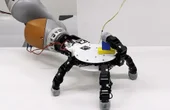
A robotic hand developed at EPFL surpasses the limits of human dexterity with a dual-thumbed, reversible-palm design that can detach from its robotic 'arm' to reach and grasp multiple objects.

3 minutes read
Learn how Shadow Robot combines deep dexterous robotics expertise with transparent collaboration to move from concept to scalable manipulation systems.
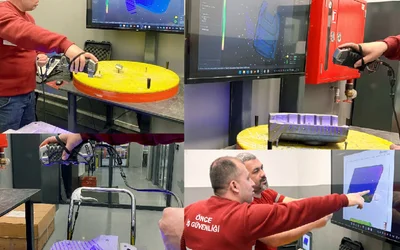
Discover how Turkish forging manufacturer EGEMET Ege Metal optimized the inspection of large forged parts and molds using SCANOLOGY's SIMSCAN 42 handheld 3D scanner. The transition from manual measurement to digital inspection improved accuracy, efficiency, and production flexibility.

2 minutes read
From robotic hands and arms to soft heart pumps, biomaterials, 3D-printed muscles and more, rapid advancements in robotics and biotechnology are giving rise to new techniques for repairing the human body.
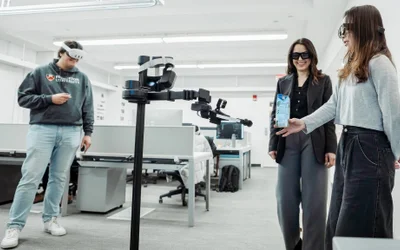
Computer scientists at Princeton are working to bring virtual reality into the physical world, with the potential to enhance a variety of experiences, including remote collaboration, education, entertainment and gaming.

2 minutes read
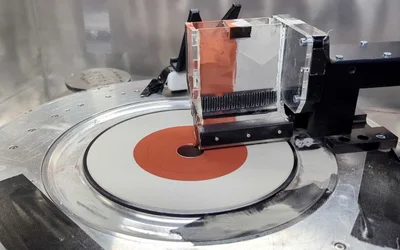
Students at ETH Zurich have developed a laser power bed fusion machine that follows a circular tool path to print round components, thereby being able to process multiple metals at once. The system significantly reduces manufacturing time and opens up new possibilities for aerospace and industry.

4 minutes read
Metal 3D printing is transforming manufacturing by allowing engineers to produce complex, high performance parts directly from digital designs.
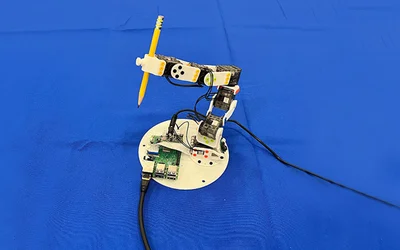
Neural Jacobian Fields, developed by MIT CSAIL researchers, can learn to control any robot from a single camera, without any other sensors.