Featured
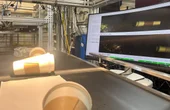
A new study uses advanced imaging technology to identify materials in municipal solid waste that can be separated for recycling or to produce energy.
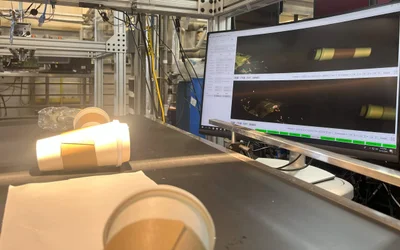
A new study uses advanced imaging technology to identify materials in municipal solid waste that can be separated for recycling or to produce energy.
A new study uses advanced imaging technology to identify materials in municipal solid waste that can be separated for recycling or to produce energy.
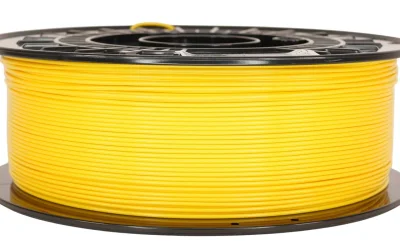
Explore how 3D-Fuel's Pro PCTG filament advances additive manufacturing, offering higher impact strength, improved environmental resistance, and reliable printability for functional and industrial 3D printing applications.
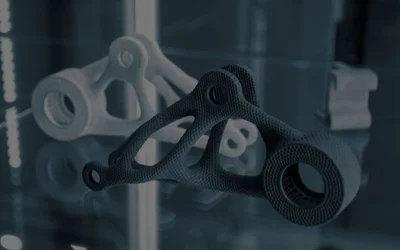
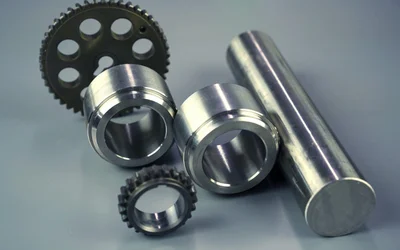
Passivation is a post-fabrication treatment that brings stainless steel parts back to the full corrosion resistance of their grade.
17 minutes read.
11 minutes read.
13 minutes read.
25 minutes read.
23 minutes read.
12 minutes read.


Entertainment
The Next Byte Podcast is hosted by two young engineers - Daniel and Farbod - who select the most interesting tech/engineering cont...
165 Posts

University for science and technology
Freedom and individual responsibility, entrepreneurial spirit and open-min...
43 Posts
Discover how iAM Marketplace simplifies industrial additive manufacturing by unifying materials, validation services, and multi-brand technologies into one open ecosystem for efficient AM sourcing.
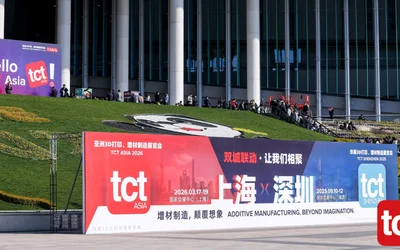
This article discusses what attendees can expect from TCT Asia 2026, including its conference format, focus areas, and the experts contributing to industry-specific discussions.
This article discusses the exhibitors, products, and industrial trends defining additive manufacturing across the Asia-Pacific region at TCT Asia 2026.
This article discusses how the Asia-Pacific region is advancing additive manufacturing and the role of TCT Asia as the leading 3D printing and additive manufacturing event in the Asia-Pacific.
Lightweighting materials play a crucial role in offering the potential for improved fuel efficiency, enhanced performance, and reduced emissions in the automotive industry. It is anticipated that the lighter and more efficient automotive materials and components will revolutionize the industry in the coming years.
A new study uses advanced imaging technology to identify materials in municipal solid waste that can be separated for recycling or to produce energy.

3 minutes read
Explore how 3D-Fuel's Pro PCTG filament advances additive manufacturing, offering higher impact strength, improved environmental resistance, and reliable printability for functional and industrial 3D printing applications.
Thursday October 9th 2025
An international team of researchers has developed a silicon-based metasurface that transmits light in a narrow range of wavelengths irrespective of a source's polarization.

3 minutes read
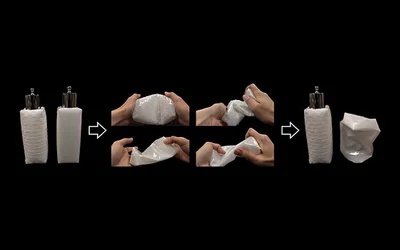
Able to undergo repeated compressions without losing their shape, woven materials could form robots, exoskeletons, car parts, architectural components and more.

4 minutes read
MIT researchers designed an electrolyte that can break apart at the end of a battery's life, allowing for easier recycling of components.
In this episode, we explore how Georgia Tech researchers took inspiration from seashells to turn weak, unreliable recycled plastic into strong, consistent material. This breakthrough could cut virgin plastic use in packaging and help tackle the global plastic waste crisis.

12 minutes read
Polyethylene Terephthalate Glycol (PETG) is known for its durability and ease of 3D printing. But is PETG temperature resistance high or low?
Researchers can now observe the phonon dynamics and wave propagation in self-assembly of nanomaterials with unusual properties that rarely exist in nature.

3 minutes read
What is ASA filament and why is it so useful for 3D printer users? This article looks at why this thermoplastic is important for printed parts designed for outdoor use.
This comprehensive guide explains the difference between Ra vs Rz surface roughness parameters, how to measure them, and when to use them.
Trying to keep up with the ever-shrinking requirements of consumer electronics? Looking to cut every milligram of fuel-wasting weight in automotive and aerospace? The design options printed electronics offer go far beyond what can be achieved with the rigid PCBs of the past.
TU/e chemist unveils groundbreaking closed-loop recycling technology powered by LED light.

3 minutes read
EPFL researchers have developed a new way to design complex, curved three-dimensional shapes using flat materials such as paper, aluminum sheets or plastic, combining creative thinking with a new computational algorithm.

4 minutes read
Using nature's approach to robust structures, aerospace engineering's Christos Athanasiou has created a process that makes normally unpredictable recycled plastic reliable and strong.

4 minutes read