Featured
Polyethylene Terephthalate Glycol (PETG) is known for its durability and ease of 3D printing. But is PETG temperature resistance high or low?

Polyethylene Terephthalate Glycol (PETG) is known for its durability and ease of 3D printing. But is PETG temperature resistance high or low?
Polyethylene Terephthalate Glycol (PETG) is known for its durability and ease of 3D printing. But is PETG temperature resistance high or low?
Researchers from ITMO University and POSTECH in South Korea have merged a metasurface and a 2D semiconductor to produce a next-gen light-emitting element that is 1,600 times brighter than a semiconductor surface and even more durable and thinner than same-brightness analogs.
Explore how fiber length, shape, and distribution impact mechanical properties beyond just material choice
Unlock the potential of aluminum die casting in modern engineering applications through advanced techniques.
12 minutes read.
16 minutes read.
18 minutes read.
14 minutes read.
8 minutes read.


Entertainment
The Next Byte Podcast is hosted by two young engineers - Daniel and Farbod - who select the most interesting tech/engineering cont...
165 Posts

University for science and technology
Freedom and individual responsibility, entrepreneurial spirit and open-min...
43 Posts
Discover how iAM Marketplace simplifies industrial additive manufacturing by unifying materials, validation services, and multi-brand technologies into one open ecosystem for efficient AM sourcing.
This article discusses what attendees can expect from TCT Asia 2026, including its conference format, focus areas, and the experts contributing to industry-specific discussions.
This article discusses the exhibitors, products, and industrial trends defining additive manufacturing across the Asia-Pacific region at TCT Asia 2026.
This article discusses how the Asia-Pacific region is advancing additive manufacturing and the role of TCT Asia as the leading 3D printing and additive manufacturing event in the Asia-Pacific.
Lightweighting materials play a crucial role in offering the potential for improved fuel efficiency, enhanced performance, and reduced emissions in the automotive industry. It is anticipated that the lighter and more efficient automotive materials and components will revolutionize the industry in the coming years.
Polyethylene Terephthalate Glycol (PETG) is known for its durability and ease of 3D printing. But is PETG temperature resistance high or low?
Researchers from ITMO University and POSTECH in South Korea have merged a metasurface and a 2D semiconductor to produce a next-gen light-emitting element that is 1,600 times brighter than a semiconductor surface and even more durable and thinner than same-brightness analogs.

2 minutes read
Explore how fiber length, shape, and distribution impact mechanical properties beyond just material choice
Considering powder coating for your parts but unsure what to expect? You're not alone. Choosing the right surface finish can feel overwhelming, especially when factors like gloss, texture, and durability come into play. Let's break it down so you can request exactly what you need with confidence.

6 minutes read
Researchers are exploring how to produce more sustainable chemicals and fuels.

2 minutes read
Desoldering is the process of removing solder to detach components from a PCB. Whether you're repairing hardware, modifying a design, or salvaging parts, this hands-on guide walks you through the tools, techniques, and safety tips every electronics pro needs.
Reaching 98% efficiency in a solid state and 94% in solution, the small fluorescent molecule's design could cut down development time and cost for future applications.

3 minutes read
Looking for the perfect UV-resistant materials for 3D printing, injection molding, or CNC machining? You're in the right place! This article offers practical tips on choosing materials, stabilization methods, and smart design strategies for products exposed to ultraviolet (UV) radiation.
10 minutes read
Machine-learning framework predicts effects of electric fields

3 minutes read
Polymer glass transition temperature (Tg) refers to the temperature at which an amorphous polymer transitions from a glassy, rigid state to a rubbery, flexible state. Understanding the polymer glass transition temperature is crucial for various industries, including engineering and manufacturing.
Researchers are developing a living material that actively extracts carbon dioxide from the atmosphere. Photosynthetic cyanobacteria grow inside it, forming biomass and solid minerals and thus binding CO2 in two different manners.

5 minutes read
Carbon fiber 3D printing represents a significant advancement in additive manufacturing technology, combining the strength and lightweight properties of carbon fiber with the design flexibility of 3D printing.

9 minutes read
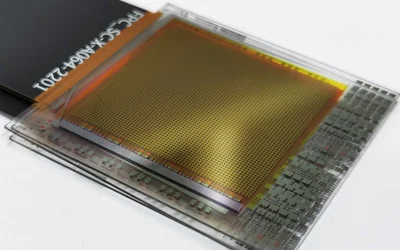
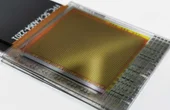
Researchers at ETH Zurich and Empa have developed a new image sensor made of perovskite. This semiconductor material enables better colour reproduction and fewer image artefacts with less light. Perovskite sensors are also particularly well suited for machine vision.
4 minutes read
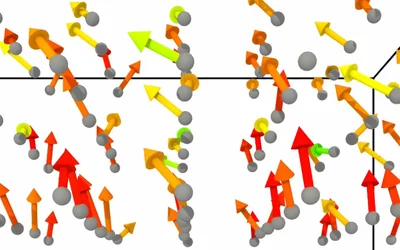
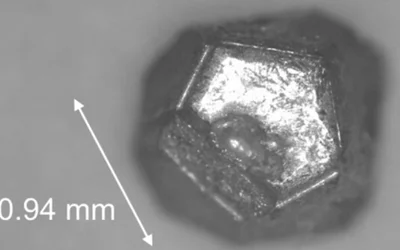
Quasicrystals couldn't be simulated with quantum mechanics because of their irregular atomic patterns. A new method overcomes this challenge.
4 minutes read
This technical guide explores the various types, material properties, manufacturing processes, and key design considerations associated with blank PCB technology!