
Featured

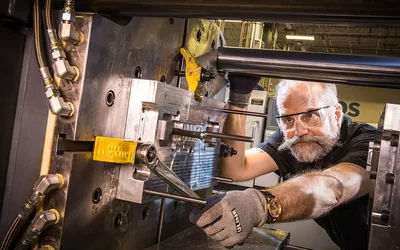
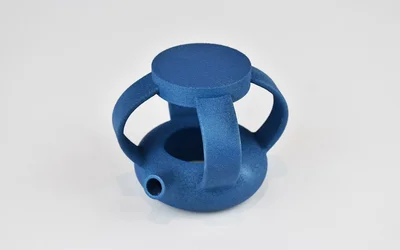
The design cube has been Protolabs' staple design aid for decades, this video takes a deeper look into the design cube and all the features and capabilities on display and how you can avoid certain design and cosmetic issues.
The design cube has been Protolabs' staple design aid for decades, this video takes a deeper look into the design cube and all the features and capabilities on display and how you can avoid certain design and cosmetic issues.
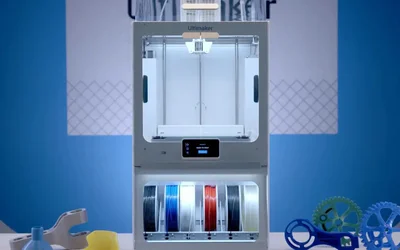
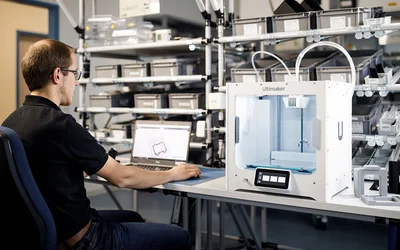
An update for Ultimaker S-line printers, Firmware 6.5 helps to improve your 3D printing workflow, as we introduce more streamlined troubleshooting and error handling, and the ability to import material profiles from USB.
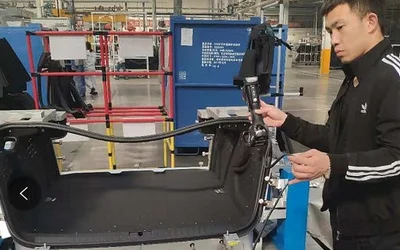
Thanks to their portability and robustness, both the MetraSCAN 3D and HandySCAN 3D were able to scan Spania GTA Spano’s parts and sub-assemblies in a variety of different environments, whether indoors or outdoors, offering designers and quality control specialists maximum versatility.
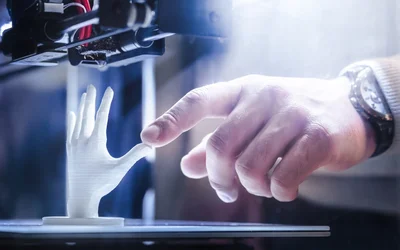
What is 3D printing? This article goes over the basics of 3D printing, otherwise known as additive manufacturing, covering its engineering principles and applications.
14 minutes read.
17 minutes read.
11 minutes read.
18 minutes read.
13 minutes read.
10 minutes read.


Entertainment
The Next Byte Podcast is hosted by two young engineers - Daniel and Farbod - who select the most interesting tech/engineering cont...
165 Posts
With just one month before the South Asian 3D printing trade show, we look at the events and showcases visitors will be able to take part in.
Lean manufacturing focuses on creating more value with less waste. Pioneered by Toyota in the 1950s, this approach helps businesses streamline processes, improve efficiency, and eliminate activities that don't add value to the final product.
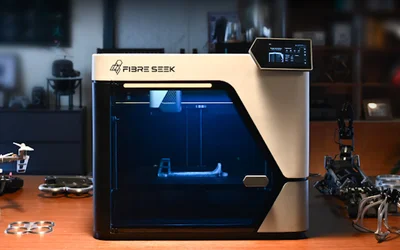
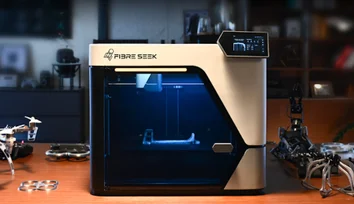
Following a successful crowdfunding campaign, the FibreSeeker 3 from FibreSeek is bringing continuous carbon fiber printing to a new audience.
ADDITIV Medical 2026 will bring together more than 500 medical professionals
The data problem
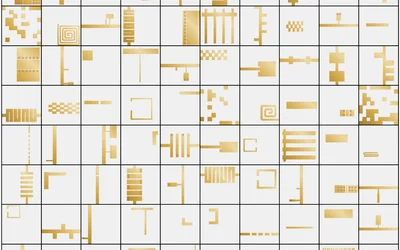
From leading experts at the CDFAM Computational Design Symposium
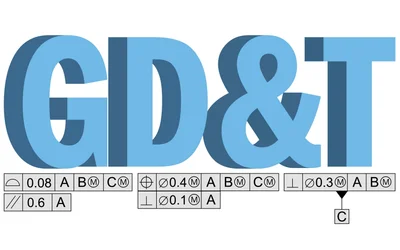
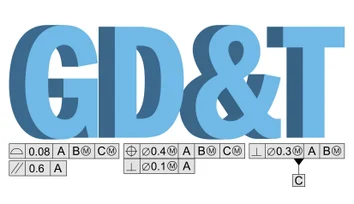
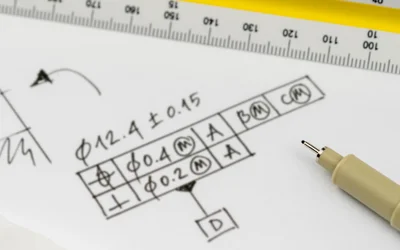
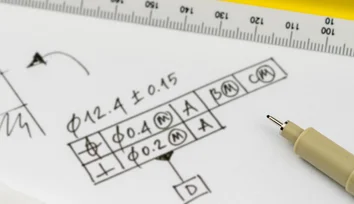
GD&T is the symbolic language engineers use to state exactly how much a part can vary and still work. This guide covers the basics.
This guide covers the true position formula, how to read the feature control frame, and how MMC and LMC generate bonus tolerance.
The design cube has been Protolabs' staple design aid for decades, this video takes a deeper look into the design cube and all the features and capabilities on display and how you can avoid certain design and cosmetic issues.

4 minutes read
An update for Ultimaker S-line printers, Firmware 6.5 helps to improve your 3D printing workflow, as we introduce more streamlined troubleshooting and error handling, and the ability to import material profiles from USB.

3 minutes read
Thanks to their portability and robustness, both the MetraSCAN 3D and HandySCAN 3D were able to scan Spania GTA Spano’s parts and sub-assemblies in a variety of different environments, whether indoors or outdoors, offering designers and quality control specialists maximum versatility.

3 minutes read
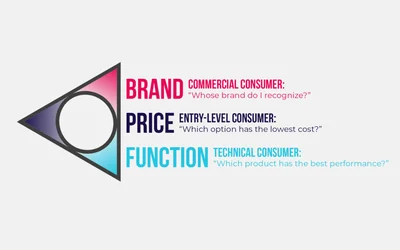
Color, Material, and Function (CMF) are three things to consider when designing a new product. When used appropriately and combined with additive manufacturing, they can help set your product apart from competition when others have brand recognition, lower price, or better technical specs.

4 minutes read
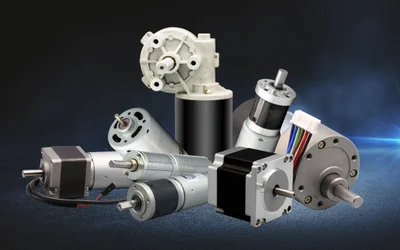
Get up to speed on what makes DC motors spin!

3 minutes read
An improved engineering workflow with Ultimaker Cura 4.10
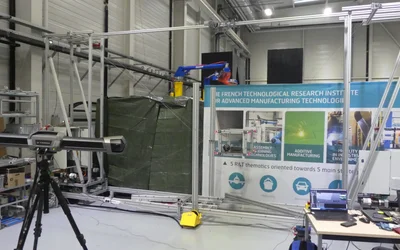
French manufacturing companies exist in a constantly changing economic sector. In order to better respond to their customers’ requirements and market pressures, they have to demonstrate innovation and a readiness to invest in factory modernization.
3 minutes read
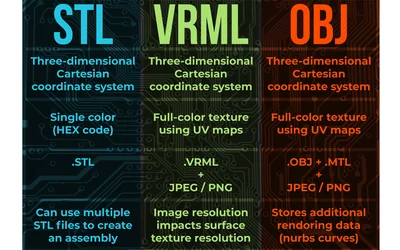
Designing a product for full color 3D printing can be a bit of a nightmare because you need a way to convert your files into the file extension type that allows you to print without losing the design intention. Read further to learn how I do it at Stratasys.
3 minutes read
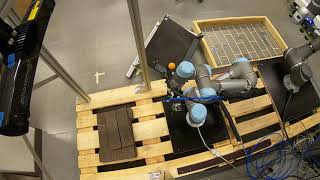
The JAMK University of Applied Sciences uses Photoneo PhoXi 3D Scanner and Bin Picking Studio to test bin picking for external companies and their specific applications.

At first glance the parts that SLS and MJF produce may seem similar, but a closer look reveals there are some key differences that may sway you to using one over the other.
3 minutes read
Manufacturing industrial grippers come with their challenges and difficulties. The role of additive manufacturing is growing in the robotics industry, and gripping systems appear to be an interesting part of producing with this technology.

5 minutes read
3D printing benefits many businesses in varying industries and sectors. The technology – also known as additive manufacturing – is a fast, easy way to create prototypes in-house, and to manufacture tools and end-use products.
3 minutes read
Changchun Faurecia Xuyang Automotive Parts Technology R&D Co., Ltd was looking for an alternative to its conventional coordinate measurement machine (CMM) to acquire comprehensive thermal deformation data on auto parts.
Accurate mesh generation is a critical step of every engineering design workflow that involves FE analyses, CFD simulations, or Additive Manufacturing.
8 minutes read
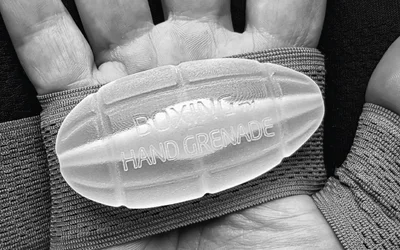
A revolutionary new training aid that aims to reduce injury and improve performance for boxers during bag and pad work is being exported all over the world, including to the training camp of US superstar boxer Gervonta ‘Tank’ Davis, protégé of the legend that is Floyd Mayweather.
3 minutes read