
Featured
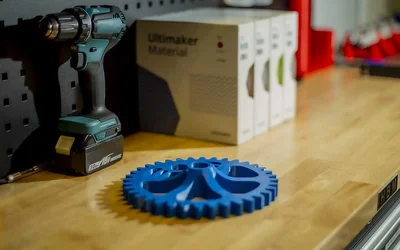
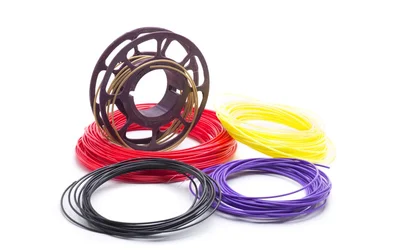
Ultimaker is proud to announce the release of its new PETG material, designed specifically for great results with Ultimaker 3D printers.
Ultimaker is proud to announce the release of its new PETG material, designed specifically for great results with Ultimaker 3D printers.
Delve into the variety of filament options available and discover how to select the perfect material to meet the specific requirements of your 3D printed projects.
We are constantly looking for better ways to communicate geometry from nTopology to other software and manufacturing processes as efficiently and cleanly as possible. George Allen proposes a new interoperability methodology based on our approach to geometry.
What is 3D printing? This article goes over the basics of 3D printing, otherwise known as additive manufacturing, covering its engineering principles and applications.
14 minutes read.
17 minutes read.
11 minutes read.
18 minutes read.
13 minutes read.
10 minutes read.


Entertainment
The Next Byte Podcast is hosted by two young engineers - Daniel and Farbod - who select the most interesting tech/engineering cont...
165 Posts
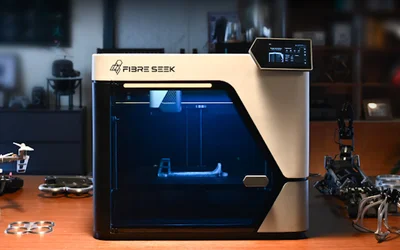
Following a successful crowdfunding campaign, the FibreSeeker 3 from FibreSeek is bringing continuous carbon fiber printing to a new audience.
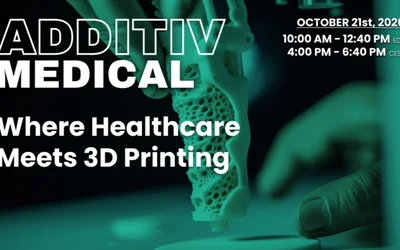
ADDITIV Medical 2026 will bring together more than 500 medical professionals
Choosing between 3D printing and injection molding is one of the key decisions in product development—especially in case of prototyping.
Explore how the right finishes and coatings can improve aerospace parts by boosting durability, extending service life, enhancing environmental resistance, and delivering the performance and appearance required for demanding applications.
The data problem
From leading experts at the CDFAM Computational Design Symposium
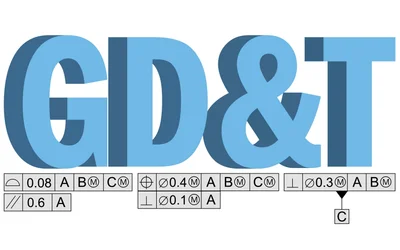
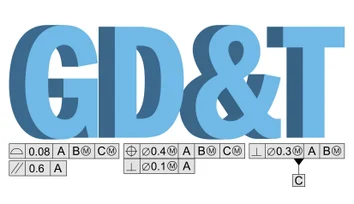
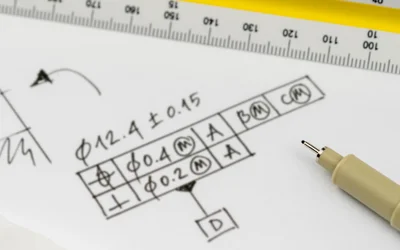
GD&T is the symbolic language engineers use to state exactly how much a part can vary and still work. This guide covers the basics.
This guide covers the true position formula, how to read the feature control frame, and how MMC and LMC generate bonus tolerance.
Ultimaker is proud to announce the release of its new PETG material, designed specifically for great results with Ultimaker 3D printers.

4 minutes read
Delve into the variety of filament options available and discover how to select the perfect material to meet the specific requirements of your 3D printed projects.
We are constantly looking for better ways to communicate geometry from nTopology to other software and manufacturing processes as efficiently and cleanly as possible. George Allen proposes a new interoperability methodology based on our approach to geometry.

8 minutes read
Create durable prototypes, end-use production parts with HP’s additive manufacturing technology

4 minutes read
When talking about industries that use 3D printing you probably don't expect to hear fashion and jewellery. These industries are increasingly turning to 3D printing due to its ability to produce fine details, iterate designs quickly and display quality finishes.
4 minutes read
The phase-gate approach (PGA) is a supportive tool that guides hardware manufacturers to successfully develop innovative products, avoiding common manufacturing errors, failures, or reducing defects.

6 minutes read
Before starting to 3D print, you will need to make sure you have gathered all the necessary software “ingredients” that will guide you through the printing process, from preparing your 3D model to managing printers themselves.
4 minutes read
Hydropower plants around the world have been equipped with components from Voith Hydro for over 140 years. As a full-service provider of hydroelectric power plant equipment, Voith is one of the world’s leading manufacturers.

5 minutes read
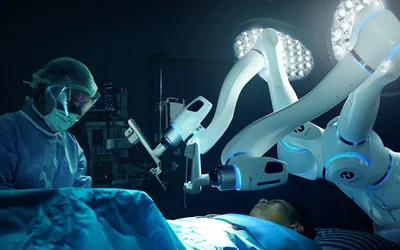
Advanced sensors and sophisticated AI power intuitive robotic assistant.

6 minutes read
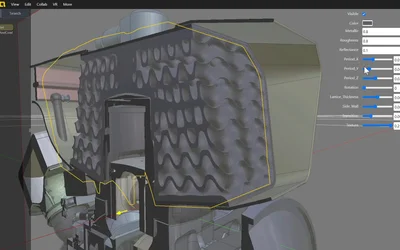
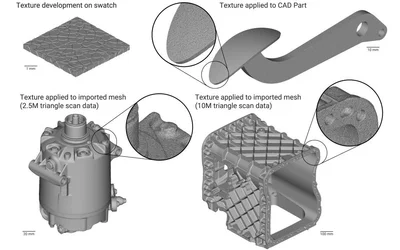
Procedural texturing is a technique that can be used to generate surface textures for a variety of applications. This article will guide you through the steps involved in generating and applying a roughness texture, along with three other natural surface treatments: leather, wood, and marble.
5 minutes read
In this episode, we talk about a new machine learning model developed by NIST to predict flashover in burning buildings and protect firefighters, NASA’s new ultrasonic additive manufacturing approach, and an affordable, high performance athletic prosthetic.

Determined to build the world’s most powerful two-stroke engine, Protolabs is giving this self-proclaimed “normal guy with an obsession with two-stroke engines” a helping hand.
4 minutes read
NavVis specializes in developing next-generation technology that enables accurate mapping of indoor spaces. And given that the wearable NavVis VLX system's accuracy had to compete with terrestrial solutions, the scanner’s sensor positioning would be the designers' top priority.
5 minutes read
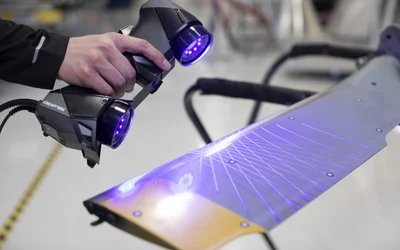
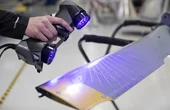
Many manufacturers in the aerospace, transportation and power generation industry, such as Austrian manufacturer ANDRITZ, require carrying out quality control inspections on large parts that can measure anywhere from 2 to 10 metres—and even bigger.
3 minutes read
3D scanners are becoming invaluable tools for quality control operations within industrial settings