This Report shows how tools like artificial intelligence, digital twins, and on-demand manufacturing are no longer emerging concepts, but are already delivering measurable impact across the product lifecycle.
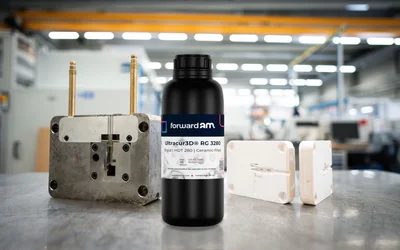
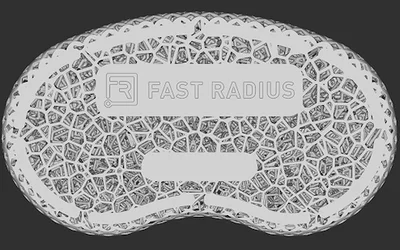
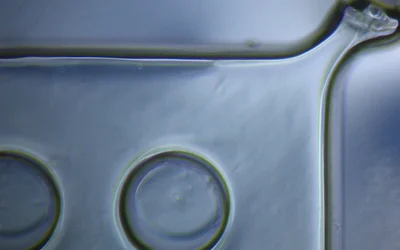
Julio Aleman, a Bioengineering PhD student needed two different microwell array system with individual wells that would support injection moulding of hydrogels and serve as “master moulds”
The FDM process creates plastic 3D models by superimposing multiple layers of melted thermoplastic polymer material into a predefined area via a computer controlled printing nozzle.
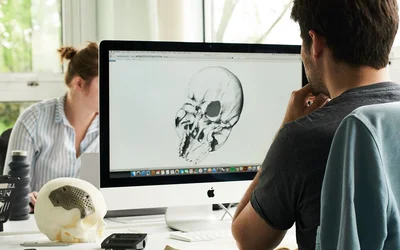
Whether you’re a 3D printing enthusiast who dreams about printing and sharing designs, or an engineer who’s familiar with mechanical or industrial design looking for new ways to use 3D design skills, these ideas will help you better understand how to get started with artistic design for 3D printing.
EPFL researchers have developed a way to use holograms to guide laser light for ultra-efficient, fast, and precise volumetric 3D printing. The innovation enables cell-compatible, high-resolution 3D printing at scales suitable for biomedical applications.
Princeton researchers have combined brain cells and advanced electronics into a 3D device that can be programmed to recognize patterns using computational techniques.
Discover how iAM Marketplace simplifies industrial additive manufacturing by unifying materials, validation services, and multi-brand technologies into one open ecosystem for efficient AM sourcing.
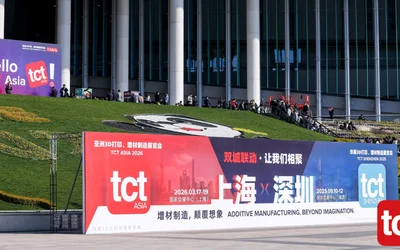
This article discusses what attendees can expect from TCT Asia 2026, including its conference format, focus areas, and the experts contributing to industry-specific discussions.
This article discusses the exhibitors, products, and industrial trends defining additive manufacturing across the Asia-Pacific region at TCT Asia 2026.
This article discusses how the Asia-Pacific region is advancing additive manufacturing and the role of TCT Asia as the leading 3D printing and additive manufacturing event in the Asia-Pacific.
Julio Aleman, a Bioengineering PhD student needed two different microwell array system with individual wells that would support injection moulding of hydrogels and serve as “master moulds”
The FDM process creates plastic 3D models by superimposing multiple layers of melted thermoplastic polymer material into a predefined area via a computer controlled printing nozzle.
Whether you’re a 3D printing enthusiast who dreams about printing and sharing designs, or an engineer who’s familiar with mechanical or industrial design looking for new ways to use 3D design skills, these ideas will help you better understand how to get started with artistic design for 3D printing.
Typically, a lithophane is described as thin translucent porcelain that has been etched or carved with an image and is viewed when back lit with a light source.
As technology has become more accessible, 3D Printed casts have grown in popularity, owing to several benefits. However, all casts share a fundamental flaw - they are single-use products
Flexible 3D printing filaments open up a lot of possibilities for designers and engineers. Complex elastic forms can be produced easily in-house, then used in a variety of different ways – from prototyping flexible features to creating custom tools.
At Ultimaker, we rigorously test our materials to provide the best possible results. Not only to ensure excellent mechanical and aesthetic properties, but also so that the preconfigured settings in our Ultimaker Cura software offer a hassle-free 3D printing experience.
Creating a mold or cast requires precision. To make a mistake – or to have second thoughts – can be expensive, both from a financial and a time standpoint. Every feature, every detail, every customization also comes at a price.
3D printing with metal can produce visually and physically impressive results. Metal is ideal for creating customized parts that are heat, chemical, and impact resistant.
UV resistance refers to a substance’s ability to resist ultraviolet (UV) light, including sunlight. UV light can cause discoloration or degradation in a final part.
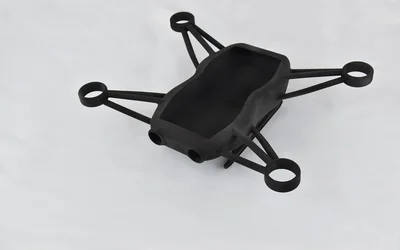
James Beswick always had a bit of a thing for radio-controlled cars – especially high-speed drag racing. He’s been building them for a few years now but decided to take things to the next level. To do that he realized he was going to have to think outside the pre-built box and build his own!