Featured

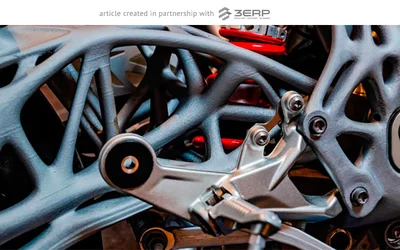
Hyperganic, a company based in Munich, Germany, develops a software platform that uses artificial intelligence for the advanced design and engineering of highly complex components, structures and entire machines.

This Report shows how tools like artificial intelligence, digital twins, and on-demand manufacturing are no longer emerging concepts, but are already delivering measurable impact across the product lifecycle.
Hyperganic, a company based in Munich, Germany, develops a software platform that uses artificial intelligence for the advanced design and engineering of highly complex components, structures and entire machines.
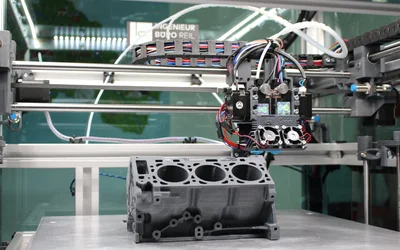
3D printing gives you the flexibility and the speed you need when building new hardware and electronic products.
Carnegie Mellon method foregoes expensive scanners, camera setups, studios
An engineer’s guide to understanding the state of the art in metal 3D Printing
15 minutes read.
22 minutes read.
11 minutes read.
18 minutes read.
12 minutes read.
16 minutes read.


Entertainment
The Next Byte Podcast is hosted by two young engineers - Daniel and Farbod - who select the most interesting tech/engineering cont...
165 Posts
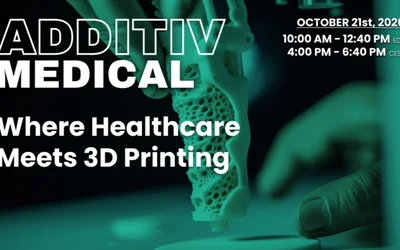
ADDITIV Medical 2026 will bring together more than 500 medical professionals
Choosing between 3D printing and injection molding is one of the key decisions in product development—especially in case of prototyping.
The choice between 3D printing and CNC machining is the most common decision regarding manufacturing methods that must be made before placing the first order for prototypes. The correct answer depends on tolerance requirements, material specifications, component geometry, and schedule.
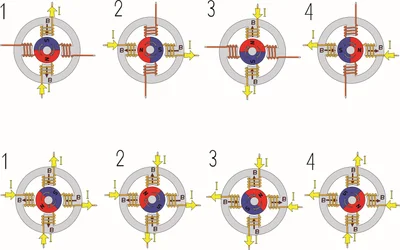
How microstepping works in stepper motors, the incremental torque cost of each resolution, and why finer microsteps do not improve positioning accuracy.
Discover how iAM Marketplace simplifies industrial additive manufacturing by unifying materials, validation services, and multi-brand technologies into one open ecosystem for efficient AM sourcing.
This article discusses what attendees can expect from TCT Asia 2026, including its conference format, focus areas, and the experts contributing to industry-specific discussions.
This article discusses the exhibitors, products, and industrial trends defining additive manufacturing across the Asia-Pacific region at TCT Asia 2026.
This article discusses how the Asia-Pacific region is advancing additive manufacturing and the role of TCT Asia as the leading 3D printing and additive manufacturing event in the Asia-Pacific.
Hyperganic, a company based in Munich, Germany, develops a software platform that uses artificial intelligence for the advanced design and engineering of highly complex components, structures and entire machines.

3D printing gives you the flexibility and the speed you need when building new hardware and electronic products.

4 minutes read
Carnegie Mellon method foregoes expensive scanners, camera setups, studios

3 minutes read
What are the differences between injection molding and 3D printing? Discover which manufacturing technique is best for your project.
5 minutes read
CSAIL's SprayableTech system lets users create large-scale interactive surfaces with sensors and displays using airbrushed inks.
Right now, the 3D printers at the ETH spin-off Spectroplast are working at full capacity as never before: the young company has started producing silicone attachments for breathing masks on behalf of medical companies.

2 minutes read
Do-it-yourself bio and maker communities can help NASA meet needs of long-distance missions.
Four trends are setting the scene for 3D printing to become ever more versatile and deliver products that are closer to end-use, production level
Cloud manufacturing may not be a familiar term to everyone. But there are good reasons to get acquainted with it.

6 minutes read
Algorithm allows 3-D printers to “read ahead” of their programming to boost speeds.

3 minutes read
This article aims to provide insight into the many ways some of the biggest automobile manufacturers in the world use 3D printing in their workflow.
Research using quantum-mechanical computation will be used to identify combinations of elements that have the most promise for load-bearing applications
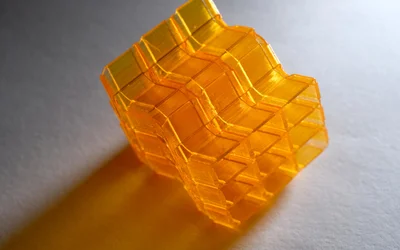
By merging the ancient art of origami with 21st century technology,researchers have created a one-step approach to fabricating complex origami structures whose light weight,expandability,and strength could have applications in everything from biomedical devices to equipment used in space exploration

3 minutes read
A new understanding of the mechanics of dragonfly larvae respiration and maneuvering could lead to the next generation of prosthetic heart valves, say Caltech engineers.

2 minutes read
Children’s Healthcare of Atlanta has performed Georgia’s first-ever procedure to place 3D-printed tracheal splints in a pediatric patient.
3 minutes read