
This Report shows how tools like artificial intelligence, digital twins, and on-demand manufacturing are no longer emerging concepts, but are already delivering measurable impact across the product lifecycle.
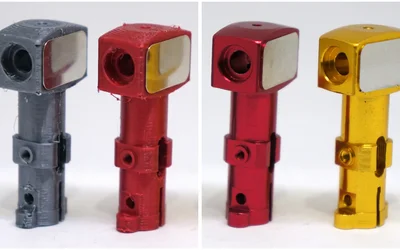
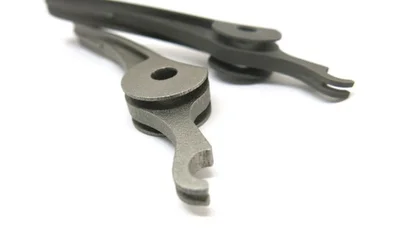
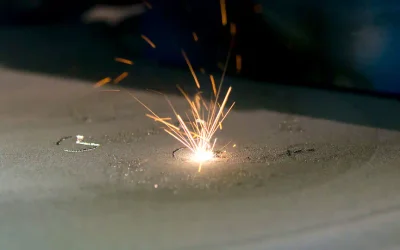
3D printing with metal can produce visually and physically impressive results. Metal is ideal for creating customized parts that are heat, chemical, and impact resistant.
UV resistance refers to a substance’s ability to resist ultraviolet (UV) light, including sunlight. UV light can cause discoloration or degradation in a final part.
In this episode, we explore how researchers have developed an AI system that can watch a 3D print as it's being made, detect mistakes, and automatically correct them before the print fails
A live panel on how China, Europe, and the US are building, certifying, and reconciling additive manufacturing standards, and where those approaches still don't line up.
Discover how iAM Marketplace simplifies industrial additive manufacturing by unifying materials, validation services, and multi-brand technologies into one open ecosystem for efficient AM sourcing.

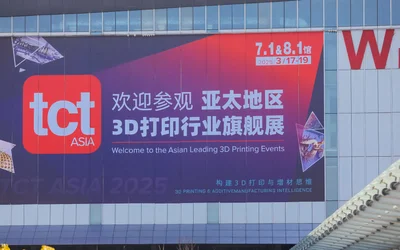
This article discusses what attendees can expect from TCT Asia 2026, including its conference format, focus areas, and the experts contributing to industry-specific discussions.
This article discusses the exhibitors, products, and industrial trends defining additive manufacturing across the Asia-Pacific region at TCT Asia 2026.
This article discusses how the Asia-Pacific region is advancing additive manufacturing and the role of TCT Asia as the leading 3D printing and additive manufacturing event in the Asia-Pacific.
3D printing with metal can produce visually and physically impressive results. Metal is ideal for creating customized parts that are heat, chemical, and impact resistant.
UV resistance refers to a substance’s ability to resist ultraviolet (UV) light, including sunlight. UV light can cause discoloration or degradation in a final part.
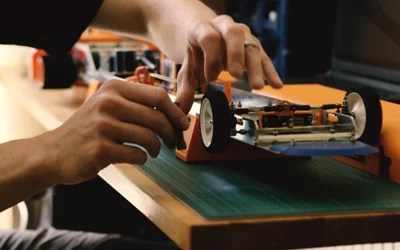
James Beswick always had a bit of a thing for radio-controlled cars – especially high-speed drag racing. He’s been building them for a few years now but decided to take things to the next level. To do that he realized he was going to have to think outside the pre-built box and build his own!
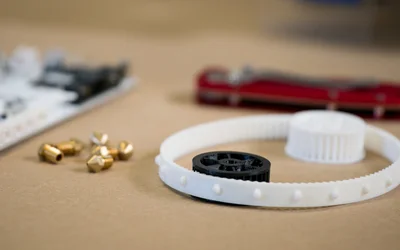

Designing and building a vehicle means juggling a lot of moving parts – literally and figuratively. To inefficiently approach any task in the manufacturing or design process means extra time and money spent.
We are going to see in this blogpost how the additive manufacturing technology can revolutionize the sports field. Then, we are going to check what the best sports equipments made with 3D printing are.
Jordan Duncan originally started creating video game props as a way to demonstrate his prop making skills to the community. Over time, his project turned from a hobby into a successful business.
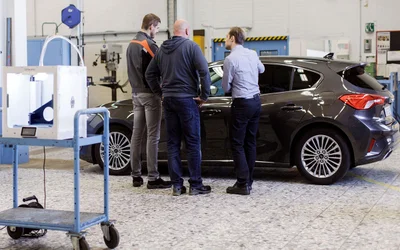
Motorsport has always been the home of technological innovation. Engineers in the sport work around the clock, competing with brilliant innovators worldwide – experts from automotive, aerospace, data analysis, and many other fields – to create vehicles that are faster, stronger, and more resilient.
Open Bionics is creating the next generation of prosthetic limbs. What sets these apart from traditional prosthetics is that all of the mechanical parts are 3D printed, bringing along considerable cost-savings.
Let's take a look at some of the Material Science and Rheology behind 3D printed concrete. This type of concrete is unique because it needs to be strong enough to support the next layer being printed on top.
This industrial 3D printing white paper explores the properties of thermoplastic and metal materials available with stereolithography, selective laser sintering, and direct metal laser sintering technologies. It also includes a quick-reference guide of material attributes.