Featured
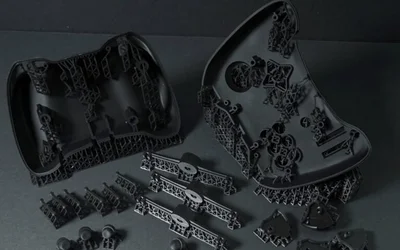
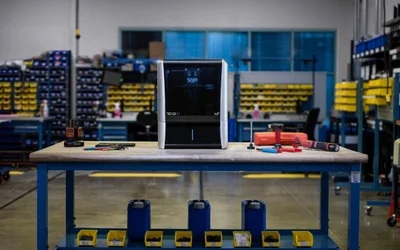
Nexa3D's LSPc technology uses UV light and advanced membrane technology with 4K LCD image masking to rapidly convert photopolymer resin into structural plastic, enabling fast product iteration and immediate transition to production.
This Report shows how tools like artificial intelligence, digital twins, and on-demand manufacturing are no longer emerging concepts, but are already delivering measurable impact across the product lifecycle.
Nexa3D's LSPc technology uses UV light and advanced membrane technology with 4K LCD image masking to rapidly convert photopolymer resin into structural plastic, enabling fast product iteration and immediate transition to production.
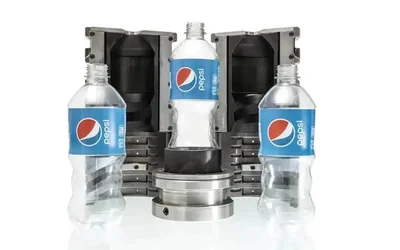
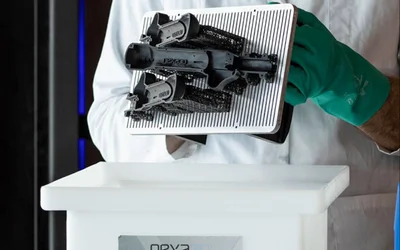
PepsiCo worked with Nexa3D’s partner Dynamism to validate the NXE 400 and the xPEEK147 material as ideal for their blow molding application requiring speed and durability.
Explore key components such as build time, material cost, and part complexity, which can add or reduce cost to your part.
An engineer’s guide to understanding the state of the art in metal 3D Printing
15 minutes read.
22 minutes read.
11 minutes read.
18 minutes read.
12 minutes read.
16 minutes read.


Entertainment
The Next Byte Podcast is hosted by two young engineers - Daniel and Farbod - who select the most interesting tech/engineering cont...
165 Posts
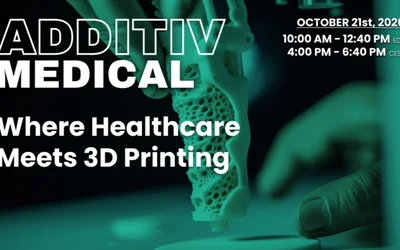
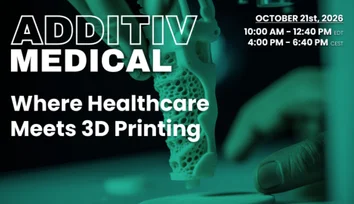
ADDITIV Medical 2026 will bring together more than 500 medical professionals
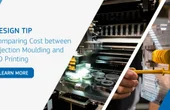
Choosing between 3D printing and injection molding is one of the key decisions in product development—especially in case of prototyping.
The choice between 3D printing and CNC machining is the most common decision regarding manufacturing methods that must be made before placing the first order for prototypes. The correct answer depends on tolerance requirements, material specifications, component geometry, and schedule.
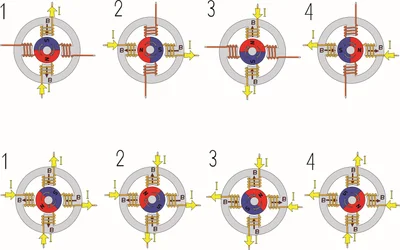
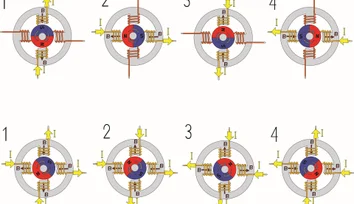
How microstepping works in stepper motors, the incremental torque cost of each resolution, and why finer microsteps do not improve positioning accuracy.
Discover how iAM Marketplace simplifies industrial additive manufacturing by unifying materials, validation services, and multi-brand technologies into one open ecosystem for efficient AM sourcing.
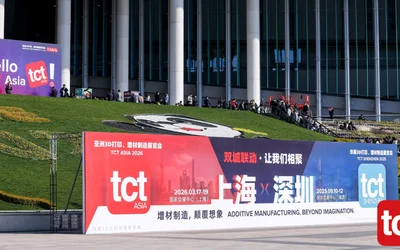
This article discusses what attendees can expect from TCT Asia 2026, including its conference format, focus areas, and the experts contributing to industry-specific discussions.
This article discusses the exhibitors, products, and industrial trends defining additive manufacturing across the Asia-Pacific region at TCT Asia 2026.
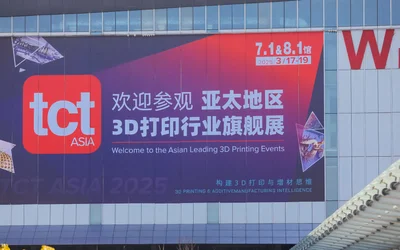
This article discusses how the Asia-Pacific region is advancing additive manufacturing and the role of TCT Asia as the leading 3D printing and additive manufacturing event in the Asia-Pacific.
Nexa3D's LSPc technology uses UV light and advanced membrane technology with 4K LCD image masking to rapidly convert photopolymer resin into structural plastic, enabling fast product iteration and immediate transition to production.

12 minutes read
PepsiCo worked with Nexa3D’s partner Dynamism to validate the NXE 400 and the xPEEK147 material as ideal for their blow molding application requiring speed and durability.
3 minutes read
Explore key components such as build time, material cost, and part complexity, which can add or reduce cost to your part.

4 minutes read
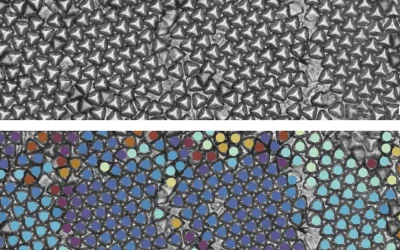
Stanford materials engineers have 3D printed tens of thousands of hard-to-manufacture nanoparticles long predicted to yield promising new materials that change form in an instant.

3 minutes read
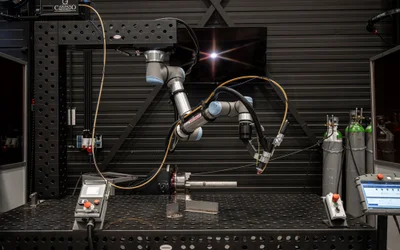
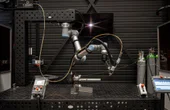
Dutch welding solutions specialist Elektrolas uses the UltiMaker S5 ProBundle to minimize machine downtimes and facilitate cobot welding for its customers.
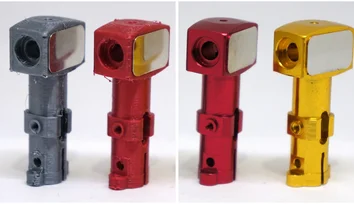
Working with engineering experts at MotoCilino, the team commercialized a handheld flight controller in record time
3 minutes read
How to extend the pot life of silicone without change in properties for applications in 3D Printing, LED lighting, LED backlights, and others

3 minutes read
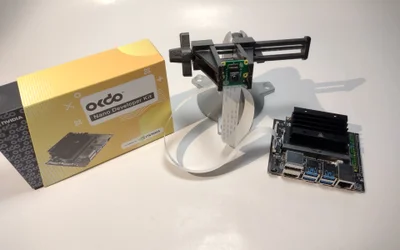
Dive into the future of Edge AI with an in-depth look at the top 5 AI Single Board Computers shaping tomorrow's tech.
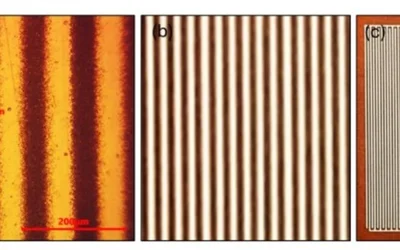
Multi-material printing without inks? The technology’s on-demand and in-situ nanoparticle generation and real-time sintering capability allow the printing of various electronics and functional devices with pure, multifunctional, hybrid materials printing - without inks and with bulk properties!
3 minutes read
The global surge in thermoplastics demand has led to increased production and plastic waste, surpassing annual production levels, necessitating the development of sustainable recycling methods and practices throughout the product life cycle to mitigate environmental impacts.
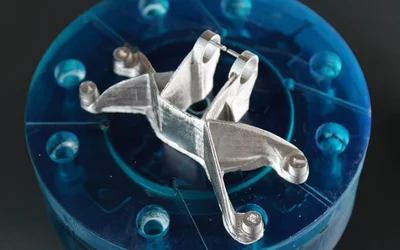
Research institute adopts Freeform Injection Molding to provide rapid prototyping of complex metal parts
3 minutes read
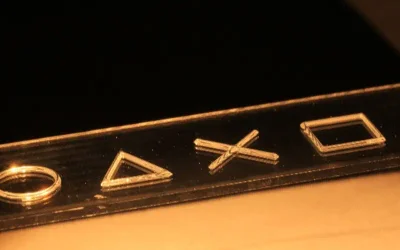
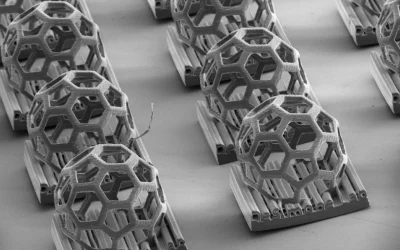
A new process for microscale 3D printing creates particles of nearly any shape for applications in medicine, manufacturing, research and more – at the pace of up to 1 million particles a day.
4 minutes read
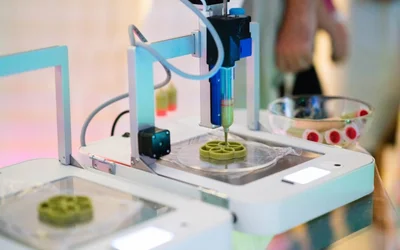
3D printed food might have started as a novelty, but this niche area of additive manufacturing is giving producers and consumers food for thought.
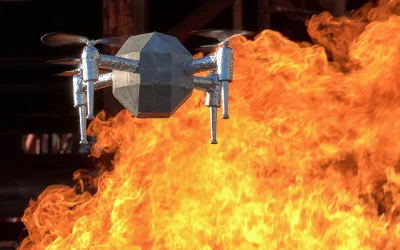
The Laboratory of Sustainability Robotics of the Swiss Empa institute develops a special drone for firefighting operations. Lightweight, stable and temperature resistant parts manufactured with SLS 3D printing is the key to success.

3 minutes read
Reducing the carbon footprint of 3D printing requires work from 3D printer manufacturers and end-users. Nexa3D’s resin printers are built using recyclable materials and allow users to print responsibly too.