Featured
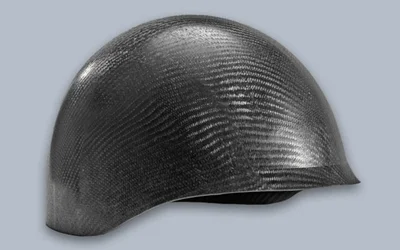
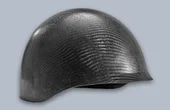
Composites are materials composed of a matrix and reinforcement, offering unique advantages and properties derived from both components.
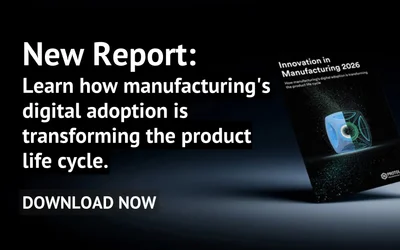
This Report shows how tools like artificial intelligence, digital twins, and on-demand manufacturing are no longer emerging concepts, but are already delivering measurable impact across the product lifecycle.
Composites are materials composed of a matrix and reinforcement, offering unique advantages and properties derived from both components.
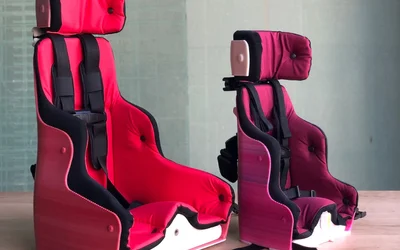
3D printed Body-contouring Therapeutic Positioning Equipment provides support for people with mild to moderate control of the body and reduces damage caused by improper seating during child development.
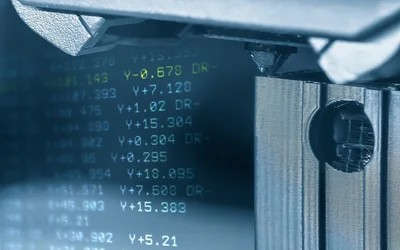
What you need to know about G-code, the programming language essential to translating a digital 3D design into a physical object.
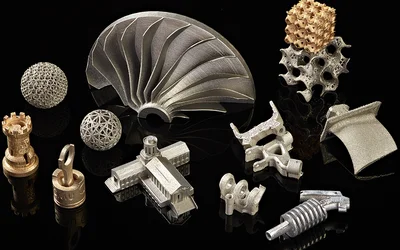
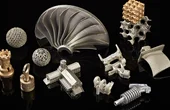
An engineer’s guide to understanding the state of the art in metal 3D Printing
15 minutes read.
22 minutes read.
11 minutes read.
18 minutes read.
12 minutes read.
16 minutes read.


Entertainment
The Next Byte Podcast is hosted by two young engineers - Daniel and Farbod - who select the most interesting tech/engineering cont...
165 Posts
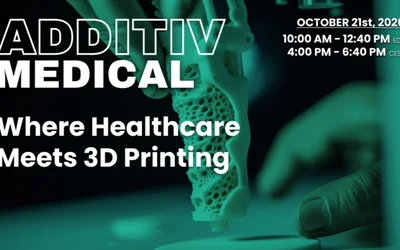
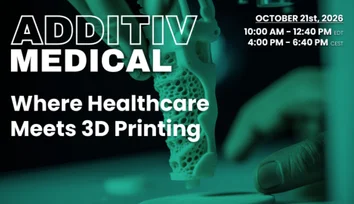
ADDITIV Medical 2026 will bring together more than 500 medical professionals
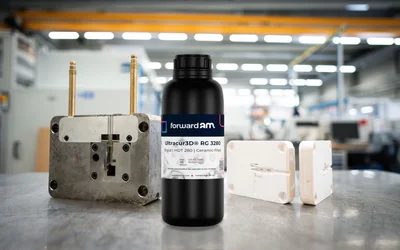
Choosing between 3D printing and injection molding is one of the key decisions in product development—especially in case of prototyping.
The choice between 3D printing and CNC machining is the most common decision regarding manufacturing methods that must be made before placing the first order for prototypes. The correct answer depends on tolerance requirements, material specifications, component geometry, and schedule.
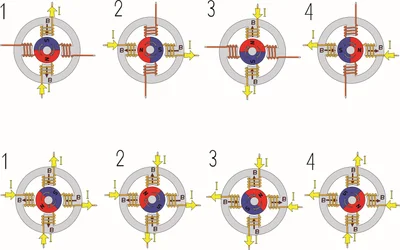
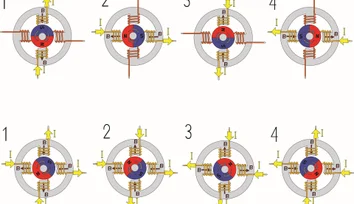
How microstepping works in stepper motors, the incremental torque cost of each resolution, and why finer microsteps do not improve positioning accuracy.
Discover how iAM Marketplace simplifies industrial additive manufacturing by unifying materials, validation services, and multi-brand technologies into one open ecosystem for efficient AM sourcing.
This article discusses what attendees can expect from TCT Asia 2026, including its conference format, focus areas, and the experts contributing to industry-specific discussions.
This article discusses the exhibitors, products, and industrial trends defining additive manufacturing across the Asia-Pacific region at TCT Asia 2026.
This article discusses how the Asia-Pacific region is advancing additive manufacturing and the role of TCT Asia as the leading 3D printing and additive manufacturing event in the Asia-Pacific.
Composites are materials composed of a matrix and reinforcement, offering unique advantages and properties derived from both components.
3D printed Body-contouring Therapeutic Positioning Equipment provides support for people with mild to moderate control of the body and reduces damage caused by improper seating during child development.
What you need to know about G-code, the programming language essential to translating a digital 3D design into a physical object.
Printed electronics, characterized by their low cost and versatility through processes like inkjet or screen printing, are pivotal in advancing technologies such as wearable tech and the Internet of Things.
Bioengineered advancement may have implications for more natural-looking reconstructive surgery outcomes, according to international research team

4 minutes read
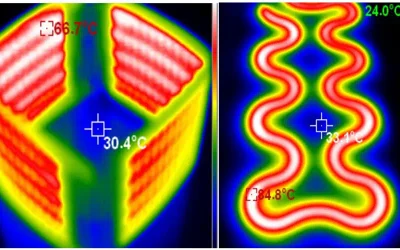
E2IP Technologies manufactures Flexible Heaters using Screen Printing Technology. This is one of the most important segments of printed and additive electronics with applications in cars, homes, and industrial settings.

3 minutes read
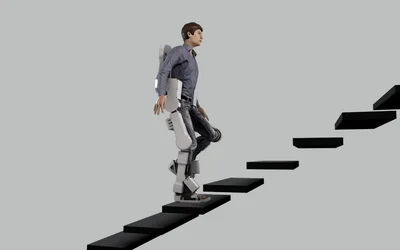
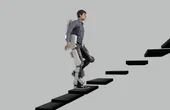
Somanity aims to revolutionize mobility for individuals with motor disabilities by developing an affordable 3D-printed exoskeleton.
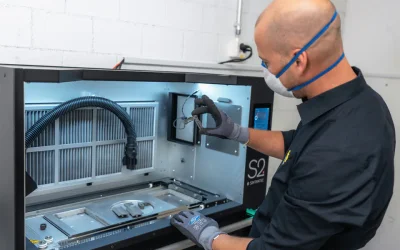
At a Polish branch of TI Fluid Systems, functional prototypes and spare parts for the automotive industry are selectively laser sintered. Using a Sintratec S2, Paweł Pułtorak’s team prints precise and complex parts to validate their designs.

3 minutes read
Researchers use AI and high-speed in-situ imaging to optimize process parameters for 3D printing metal alloys.

4 minutes read
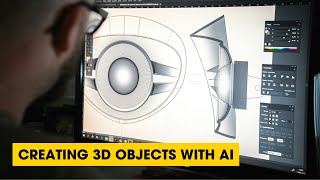
In this episode, we talk about the initiative from PolySpectra to generate 3D CAD models from text using AI.

19 minutes read
Discover the top injection molding materials for high-quality and efficient production. Choose from a wide range of options for your project needs.
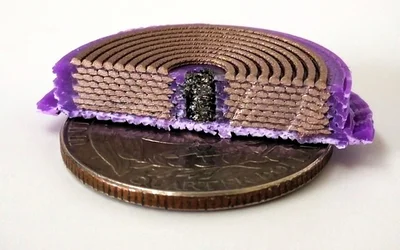
The printed solenoids could enable electronics that cost less and are easier to manufacture — on Earth or in space.
Nexa3D’s patented Lubricant Sublayer Photo-curing (LSPc) technology can print at up to 24 vertical centimeters per hour. That means more prototypes in less time.
To enhance the applicability of thermoplastics across various industries, reinforcing additives are added to improve properties such as mechanical strength, UV resistance, and conductivity, contributing to the material's overall performance.
At Eschbal, a Swiss manufacturer of window systems, prototypes, small series and production tools are additively manufactured. To this end, the technical department around Michael Ebnöther successfully uses a Sintratec S2.
4 minutes read