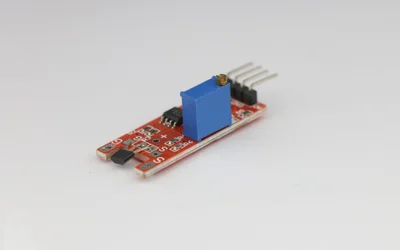
This article presents a comprehensive engineering guide to Hall Effect Sensors, covering theoretical foundations, device structures, sensor types, specifications, applications, and practical integration strategies for modern electronic system design.
Technical Guides
Latest Posts
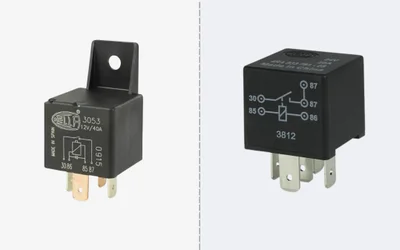
This article is a comprehensive technical guide to relay wiring diagrams, covering 4-pin and 5-pin configurations, working principles, safety practices, standards, and advanced relay applications in modern systems.
Learn how to use a multimeter with engineering-grade precision. This technical guide explores advanced measurement techniques, safety CAT ratings, and error minimization strategies for high-fidelity diagnostics.

A complete technical guide to buck converters covering operating principles, CCM and DCM, synchronous vs. asynchronous designs, component selection, control methods, PCB layout, and common troubleshooting issues.

This article provides a technical overview of the brushless vs brushed motor paradigm, equipping design engineers with the analytical framework necessary to make informed, application-specific decisions.

In-depth guide to the Wheatstone bridge circuit, strain-gauge configurations, formulas, sensor integration, and design considerations for high-precision measurement systems.

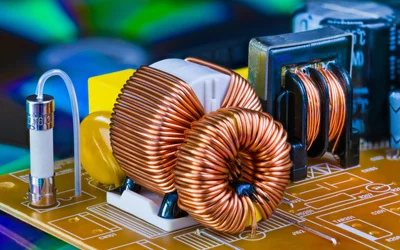
This in depth article explores the theoretical foundation and practical considerations of connecting inductor in series for engineers and electronics students. Learn how series inductance works, why it increases total inductance, how mutual coupling affects it and how to design effective filters.

Unlocking the full potential of your SolidWorks parts requires understanding the SLDPRT file format and knowing which tools can open, view, and convert these files. This guide combines theoretical insights with step by step instructions on how to open SLDPRT files to help engineers and students.


Hybrid bonding provides the adhesive free, copper to copper interconnects that are driving cutting edge 3D chip stacking. This article explains the theory, process, benefits, challenges, applications, and emerging trends of hybrid bonding for engineers.

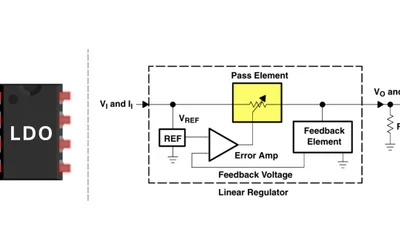
This article explains what is LDO, how the LDO regulator works, discusses key specifications such as dropout voltage, line/load regulation, noise, and PSRR, and shows how to select and design with LDOs to meet demanding engineering requirements.

Soldering wires is the process of joining electrical conductors using a melted filler metal to create strong, low-resistance connections. This guide explains tools, techniques, heat control, materials, common defects, and engineering best practices for reliable electrical connections.

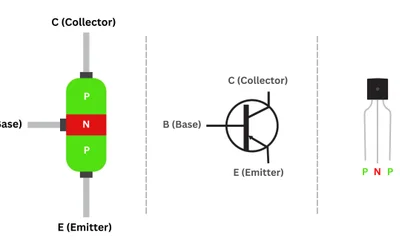
This article focuses on the PNP transistor, exploring its structure, physics, operating modes, differences from its NPN counterpart, and how to design reliable switching, amplification, and power management circuits using it.
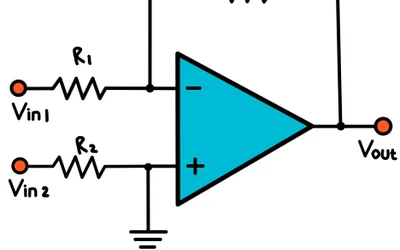
An operational amplifier (op-amp) is a high-gain differential amplifier used in analog circuitry to process and condition signals. This article examines op-amp theory, ideal and real behavior, key specifications, core circuits, applications, and practical design considerations.
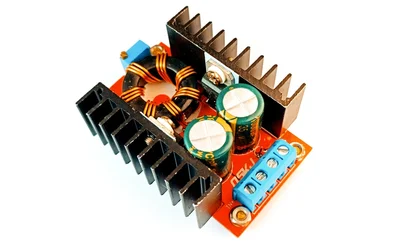
This guide explores the theory behind switching regulators, compares the most common topologies, and details practical design considerations.

Understanding the full potential of the universal NAND gate by mastering its truth table, transistor implementations, electrical characteristics and real-world applications.

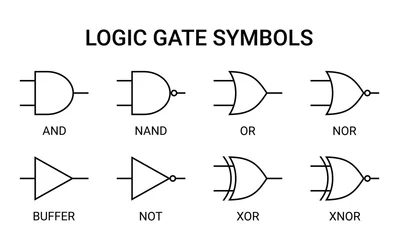
This article provides a detailed examination of logic gate symbols, truth tables, and transistor level implementations, with practical insights for digital design and hardware professionals.
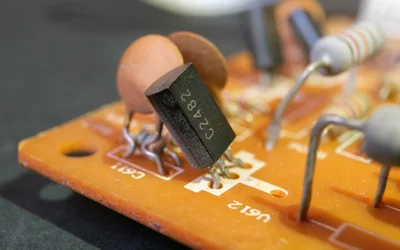
This article explores transistor circuit design for digital design engineers, hardware engineers, and electronics engineering students. Find out the theoretical foundations with practical guidance, enabling you to confidently build and analyze analog and digital transistor circuits.

A deep dive into the UART protocol for digital design engineers, hardware engineers, and electronics engineering students. Learn how this common serial interface works, its configuration parameters, applications, and how it differs from other protocols.

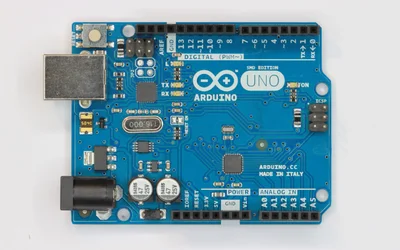
This article covers every aspect of the Arduino UNO pinout, presenting a technical, pin-by-pin explanation to help readers confidently design, analyze, and implement Arduino-based systems.

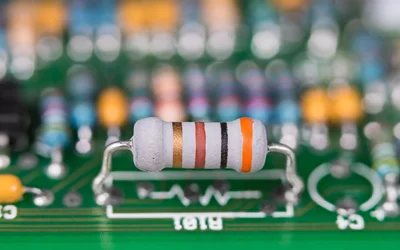
This article explores how to read resistor color code correctly, covering the fundamental theory, relevant standards, practical examples, and design-oriented insights, providing practical tips for efficient and accurate circuit prototyping.

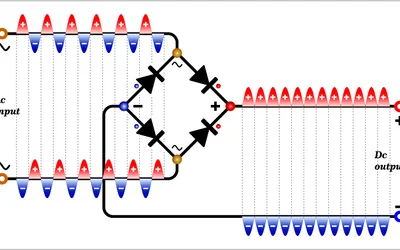
A bridge rectifier is an electronic circuit that converts AC to DC using four diodes in a full-wave configuration. This article explains how it works, covers rectifier theory, design calculations, efficiency, types, applications, and practical engineering considerations.
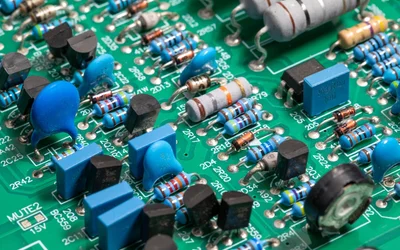
Master transistor circuits with this comprehensive guide. Explore the theory and types of transistor circuits in detail, along with practical considerations and applications.

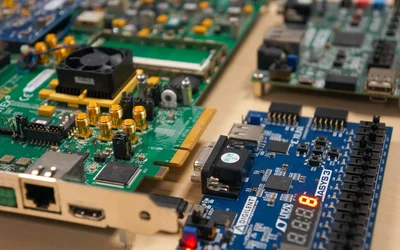
A complete guide to FPGA architecture, covering CLBs, interconnects, memory, DSPs, design flows, HLS, partial reconfiguration, adaptive SoCs, embedded FPGAs, and AI acceleration.

A practical guide for engineers to find Thevenin voltage in DC and AC circuits and apply it in real-world circuits for power systems, sensors, amplifiers, and efficient load analysis.

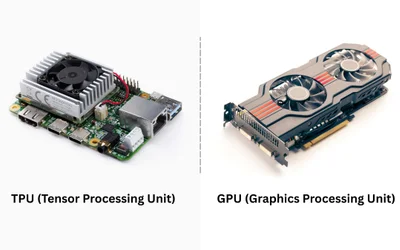
This article explores TPU vs GPU differences in architecture, performance, energy efficiency, cost, and practical implementation, helping engineers and designers choose the right accelerator for AI workloads today!