
Understanding industrial vision systems by examining their components, imaging fundamentals, AI integration since 2020, and how to choose the right solution for every application.
Technical Guides
Latest Posts


This article presents an end-to-end motor control design methodology covering mechanical sizing, power electronics, sensor selection, real-time control algorithms, EMC, and functional safety for engineers building motor drives.

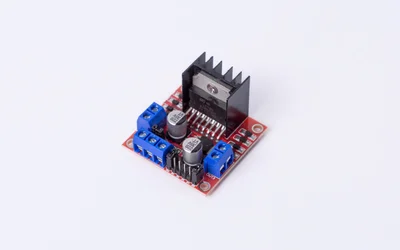
This guide offers engineers an in-depth understanding of H Bridge motor driver, explaining its basics, circuit topologies, device selection, driver IC comparisons, printed circuit design and practical considerations for next generation projects.
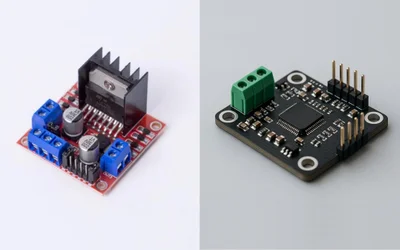
This article provides a comprehensive overview of motor controllers, covering definitions, types, control strategies, design considerations, selection guidelines, and emerging trends.
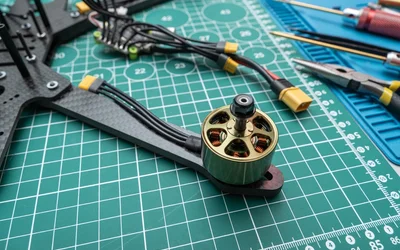
This article is a practical guide to motor speed control, covering PWM duty control, VFDs, scalar control, vector control, and field-oriented control for DC, BLDC, induction, PMSM, stepper, and servo motor systems.

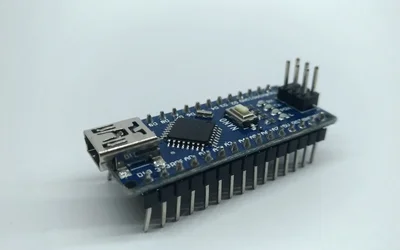
Arduino's Nano series packs the power of an Arduino Uno into a tiny, breadboard-friendly form factor. This guide covers every pin, electrical limit, and protocol on the classic Nano and its Nano Every and Nano ESP32 variants.

Practical and architectural insights into IoT gateways, including edge versus cloud placement, protocol translation, data aggregation, hardware designs, and deployment patterns for industrial IoT.

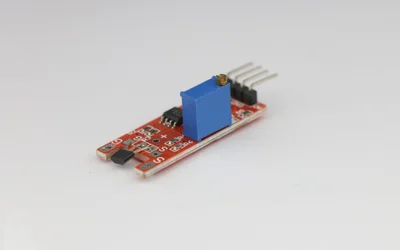
This article presents a comprehensive engineering guide to Hall Effect Sensors, covering theoretical foundations, device structures, sensor types, specifications, applications, and practical integration strategies for modern electronic system design.
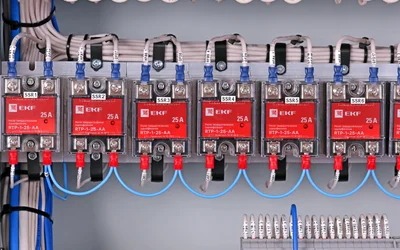
Relays are the unsung heroes behind automated power control. This indepth guide discusses what is a relay for digital design and hardware engineers. It explains how relays work, compares electromechanical and solid state designs, and provides design tips and application examples.


Understanding the full potential of the universal NAND gate by mastering its truth table, transistor implementations, electrical characteristics and real-world applications.


A deep dive into the UART protocol for digital design engineers, hardware engineers, and electronics engineering students. Learn how this common serial interface works, its configuration parameters, applications, and how it differs from other protocols.

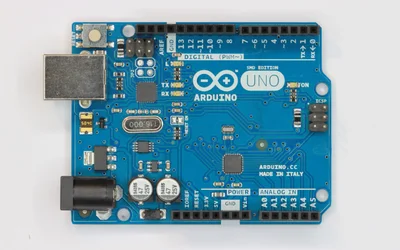
This article covers every aspect of the Arduino UNO pinout, presenting a technical, pin-by-pin explanation to help readers confidently design, analyze, and implement Arduino-based systems.
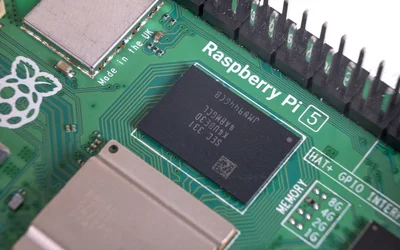
Understanding the signal names, numbering schemes, electrical limits and software control of the Raspberry Pi 5 general purpose input/output (GPIO) header empowers hardware and digital design engineers to build robust embedded solutions.
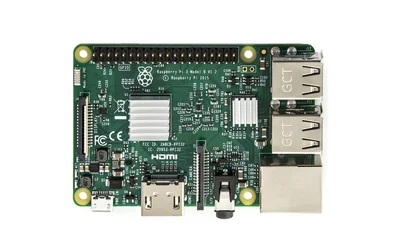
A practical guide for engineers and students to master the Raspberry Pi 3 pinout, covering GPIO concepts, annotated tables, code examples, and real-world projects for building reliable circuits and custom hardware.
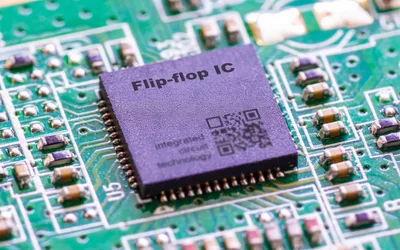
A comprehensive technical guide to flip-flop circuits for digital designers and hardware engineers. Learn the core theory behind latches and flip-flops, explore SR, D, JK, and T types, master critical timing concepts, and apply practical design strategies through real-world examples.
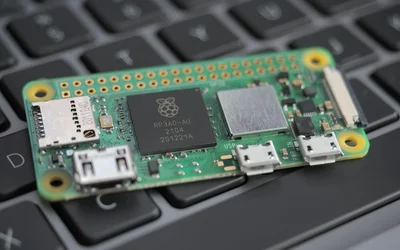
The Raspberry Pi Zero 2W features a quadcore 64 bit processor and builtin wireless in a tiny footprint. Its 40 pin header provides engineers with a flexible interface for embedded applications. This guide explores the theory behind the pinout and offers practical guidance for learners.
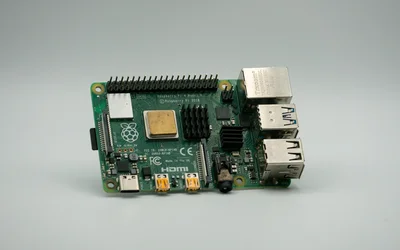
Explore the Raspberry Pi 4 pinout with detailed explanations of GPIO theory, power and ground distribution, communication interfaces (I²C, SPI, UART), PWM pins, and safety considerations to accelerate your hardware prototyping and development.

Protect sensitive electronics by understanding the current limiting resistor, learning how to calculate appropriate values, and applying them in LEDs, transistors, microcontroller inputs and other circuits.


Learn everything you need about the full adder circuit. From binary addition theory to low-power hardware implementations and modern ASIC/FPGA design flows, this technical article equips digital design engineers, hardware engineers with practical insights and current research trends.
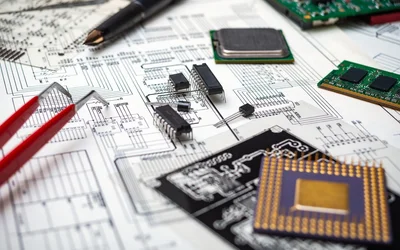
Arithmetic units are a core element in digital systems. But their design is not as simple as it may seem. This article explores the theory behind 4 bit adders and their comparison with various architectures. It will examine integrated circuits and discuss the modern low power research and designs.

Understanding the differences between Modbus RTU and Modbus TCP/IP is essential for designing reliable and scalable control systems. This indepth guide compares the serial and Ethernet variants of the Modbus protocol, explains their strengths and weaknesses, and provides practical advice for engine


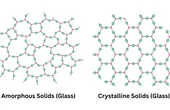
This article is a detailed exploration of crystalline vs amorphous solids, covering atomic order, materials properties, semiconductors, and how they translate into practical semiconductor, hardware and digital design applications.
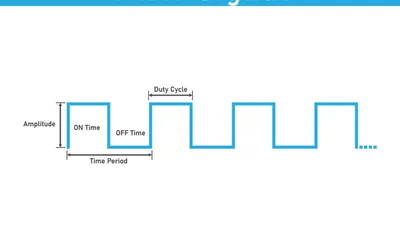
A detailed exploration of PWM theory and practice: from duty cycle and frequency to motor control, LED dimming, and emerging market trends.
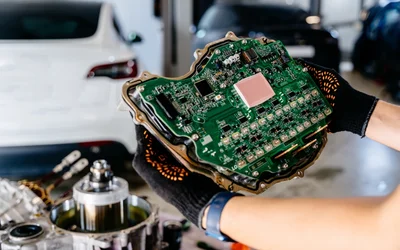
This article provides a comprehensive technical comparison of CAN vs LIN, examining their architectures, use cases, and performance trade-offs.


An in-depth guide on PID explained – covering the theory behind Proportional-Integral-Derivative control, how each PID component works, methods to tune PID controllers, and practical Python examples for implementation.