A semiconductor is a material whose electrical conductivity falls between that of a conductor and an insulator and can be controlled by temperature, light, and impurities. This article covers semiconductor materials, doping, diodes, transistors, and integrated circuits.
Technical Guides
Latest Posts

Surface finish symbols express a parameter, a limit, a process, and a lay direction in a callout the size of a check mark.

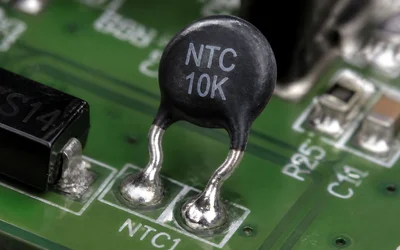
Read what a thermistor is, how NTC and PTC types work, the beta and Steinhart-Hart equations, key specs, applications and how to test one.
A reference chart for converting between surface finish units, plus Ra values by manufacturing process and the relationship between surface

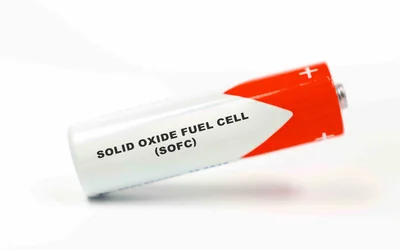
A solid oxide fuel cell converts fuel directly into electricity through a ceramic electrolyte that conducts oxygen ions at high temperatures. This guide covers the electrochemistry, the material choices, where the efficiency really comes from, and the degradation mechanisms.

Surface finish decides whether a bearing seizes, a weld bonds, or a shaft survives its fatigue life. This guide covers what it is, its parameters, and how to specify it.

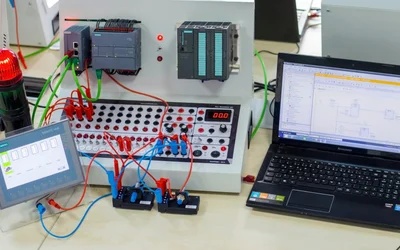
In this article, we'll see how PLC and SCADA systems differ, how they work together, and which protocols, scan times and security controls matter in industrial automation.
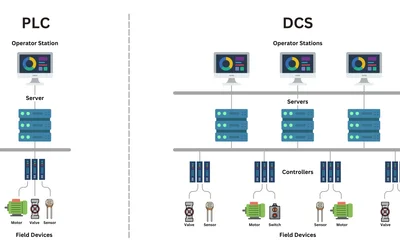
This guide compares PLC vs DCS architecture, scan times, redundancy, scalability, programming, costs, and applications to help you choose the right industrial control system.
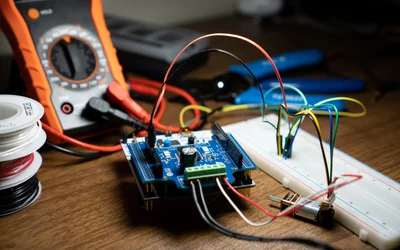
A practical selection guide to the STM32 Nucleo family: the three form factors, what the order code tells you, what the on-board ST-LINK actually does, and how Nucleo compares to Discovery kits and to Blue Pill and Black Pill boards.
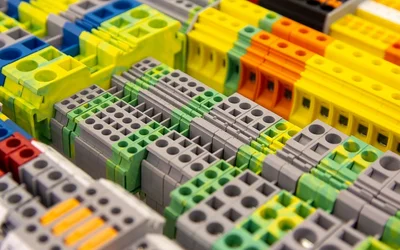
DIN rail terminal blocks are modular connectors that secure and organize wires on standardized DIN rails. This article explains rail profiles, ratings, connection methods, wire sizes, accessories, and assembly practices for reliable control panels.

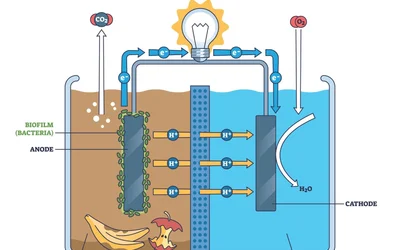
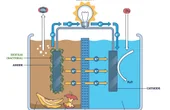
A microbial fuel cell turns the metabolism of living bacteria into an electrical current. This guide covers the electrochemistry, microbiology, materials, real performance numbers from pilot plants, and the economics that still keep the technology out of mainstream power generation.
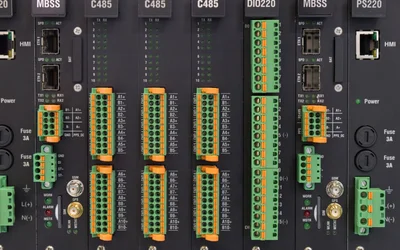
A terminal block provides a secure electrical and mechanical connection between conductors. This guide explains how to select terminal blocks based on connection technology, current and voltage ratings, conductor size, mounting method, environmental conditions, and potential failure modes.
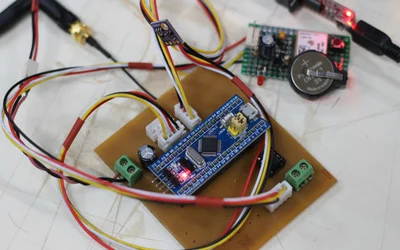
A working reference for the STM32F103 line: the four density classes and what each gives you, why USB and CAN can't run together, the LQFP48 pin functions, how the Blue Pill is wired, and how to spot the clones on cheap boards.
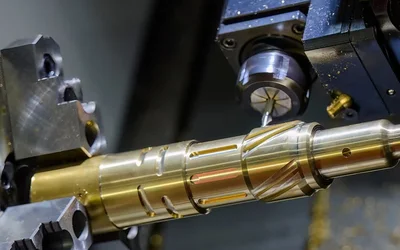
What is CNC turning? This digital manufacturing technology, different from CNC milling in a few important ways, is used to make rounded or cylindrical parts with a high level of precision.

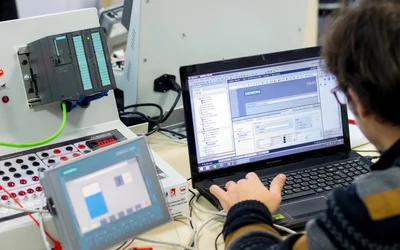
This article is a practical PLC programming guide covering the five IEC 61131-3 languages, the scan cycle that governs how your code actually runs, ladder and structured text examples, and the mistakes that cost engineers the most commissioning time.
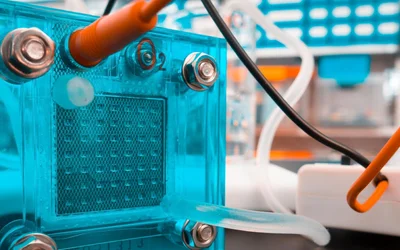
A PEM fuel cell converts hydrogen and oxygen into electricity at around 80 degrees C, with water and heat as the only products. This guide covers electrochemistry, layer materials, efficiency limits, and cost and durability to help you understand the practical applications of this technology.

STM32 vs ESP32 compared on architecture, Wi-Fi, power, peripherals, toolchains, safety, and longevity. Current 2026 specs from vendor datasheets, plus a decision table.

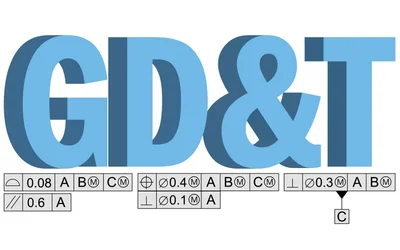
GD&T is the symbolic language engineers use to state exactly how much a part can vary and still work. This guide covers the basics.

This article examines microcontroller vs microprocessor architectures at the system level, explaining how their hardware resources, boot requirements, software stacks, and application demands differ.

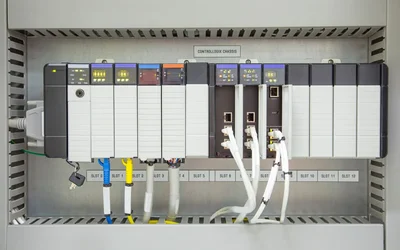
This article explains what is a PLC, what's inside it, how the scan cycle works, which programming languages the current IEC standard defines, and how to choose the right controller for your application.
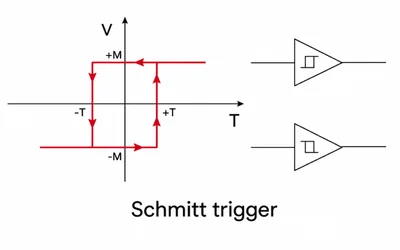
A Schmitt trigger is a circuit that converts slow or noisy inputs into clean digital signals using two switching thresholds. This guide explains hysteresis, op-amp and transistor designs, equations, real 74HC14, CD40106B, and 555 timer examples, and common design mistakes.
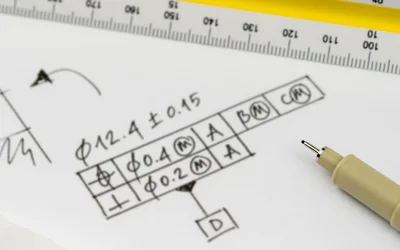
This guide covers the true position formula, how to read the feature control frame, and how MMC and LMC generate bonus tolerance.

An STM32 microcontroller selection guide built as a working method: narrowing 1,644 parts down to one order code, organized by the constraint that actually drives your design rather than by part number.


A shunt resistor turns a current you cannot measure directly into a small voltage you can. This guide covers how shunt resistors work, how to size one, why manganin dominates precision designs, and where real measurement errors come from.

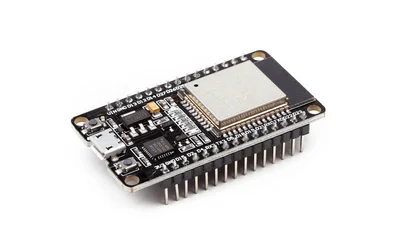
This article explains the ESP32 pinout, including GPIO, ADC, DAC, PWM, UART, SPI, and I2C pins; safe and reserved GPIOs; strapping pins; board differences; power limits; and practical design considerations.