
Featured

This article delves into the key difference between PLC and DCS, providing a clear framework for choosing the appropriate technology for specific applications, and finally decoding the automation divide.
This article delves into the key difference between PLC and DCS, providing a clear framework for choosing the appropriate technology for specific applications, and finally decoding the automation divide.
New printing method creates branching vessels in heart tissue that replicate the structure of human vasculature in vitro
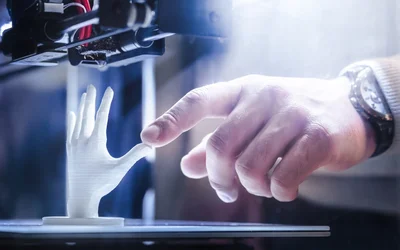
What is 3D printing? This article goes over the basics of 3D printing, otherwise known as additive manufacturing, covering its engineering principles and applications.
14 minutes read.
17 minutes read.
11 minutes read.
18 minutes read.
13 minutes read.
10 minutes read.


Entertainment
The Next Byte Podcast is hosted by two young engineers - Daniel and Farbod - who select the most interesting tech/engineering cont...
165 Posts
Lean manufacturing focuses on creating more value with less waste. Pioneered by Toyota in the 1950s, this approach helps businesses streamline processes, improve efficiency, and eliminate activities that don't add value to the final product.
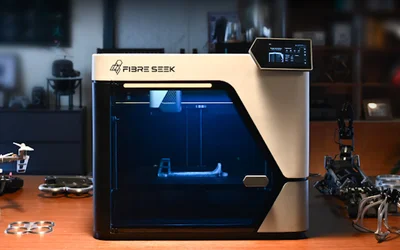
Following a successful crowdfunding campaign, the FibreSeeker 3 from FibreSeek is bringing continuous carbon fiber printing to a new audience.
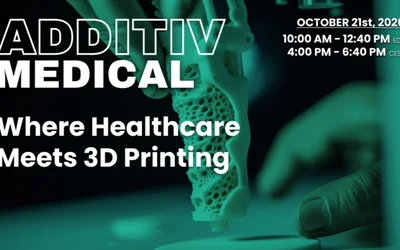
ADDITIV Medical 2026 will bring together more than 500 medical professionals
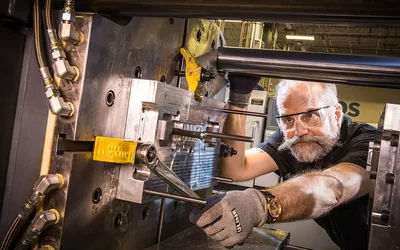
Choosing between 3D printing and injection molding is one of the key decisions in product development—especially in case of prototyping.
The data problem
From leading experts at the CDFAM Computational Design Symposium
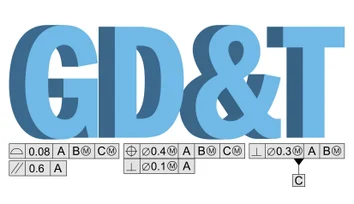
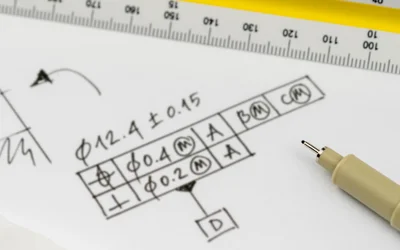
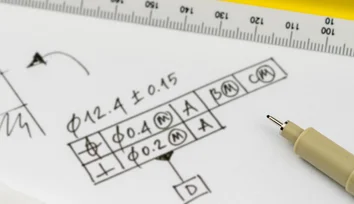
GD&T is the symbolic language engineers use to state exactly how much a part can vary and still work. This guide covers the basics.
This guide covers the true position formula, how to read the feature control frame, and how MMC and LMC generate bonus tolerance.
This article delves into the key difference between PLC and DCS, providing a clear framework for choosing the appropriate technology for specific applications, and finally decoding the automation divide.
Your masterclass in product design and development

4 minutes read
New printing method creates branching vessels in heart tissue that replicate the structure of human vasculature in vitro

4 minutes read
Technological progress means optimizing the smallest components to improve efficiency and safety. In addition to digital features, intelligent software and new assistance systems, developers and engineers are also focusing on classic vehicle technology such as engines and transmissions.

3 minutes read
If you’re using a general-purpose actuator for an application, various factors might affect your choice. These include your application’s requirements for speed, accuracy, repeatability and force, as well as the complexity of the actuator’s design and the environments in which you want to use it.
Electronic waste is a rapidly growing problem, but this degradable material could allow the recycling of parts from many single-use and wearable devices.
A digital platform containing comprehensive design information can aid this process, as it acts as a single source of truth, ensuring alignment between design inputs and outputs.

6 minutes read
Imagine an industrial plant where machines autonomously predict maintenance needs and optimize operations. Such efficiency is powered by IoT architecture. This guide breaks down the layers of IoT, from sensors collecting data to intelligent apps providing insights.
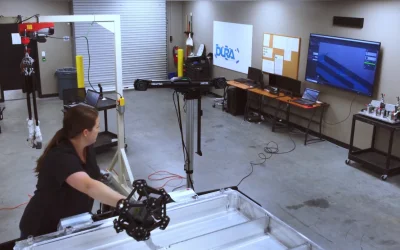
In its quest for new, innovative technology to meet its measurement needs, DURA opted for the Creaform optical CMM MetraSCAN 3D|BLACK Elite and portable CMM HandyPROBE, paired with Polyworks.

4 minutes read
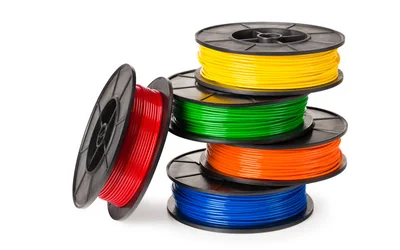
What is PLA filament and why is it so popular for entry-level 3D printing and beyond? This article covers the basics of Polylactic Acid.
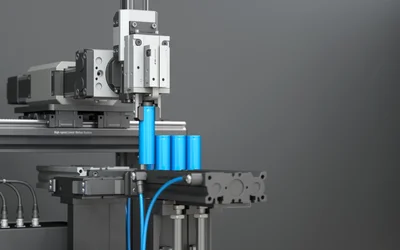
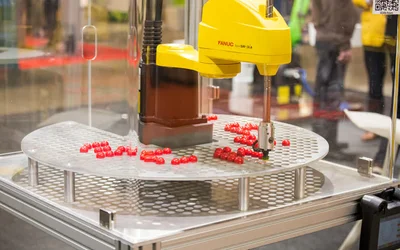
SCARA robots, known for their high speed and precision, are ideal for tasks requiring fast and accurate horizontal movements, such as assembly and packaging
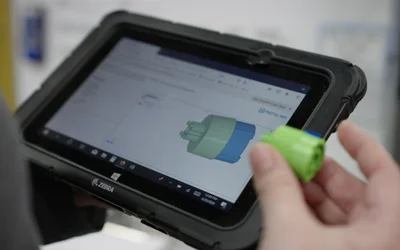
3D printing is transforming the automotive industry. Custom parts and tools can now be 3D printed overnight, ready to optimize production processes the next day. This innovation enhances assembly ergonomics, reduces errors, and boosts operator satisfaction and productivity.

2 minutes read
In this episode, we explore the groundbreaking invisible mask developed by a University of Michigan spin-off that is equipped with a wearable air curtain capable of killing viruses and blocking 99.8% of aerosols.

14 minutes read
Adding Industry-4.0 capabilities to existing machines allows smart manufacturers to monitor equipment status, notify critical events, and connect to cloud-based dashboards – achieving process optimization with a cost-effective innovation strategy.

3 minutes read
with Xsens motion capture

3 minutes read