
Featured
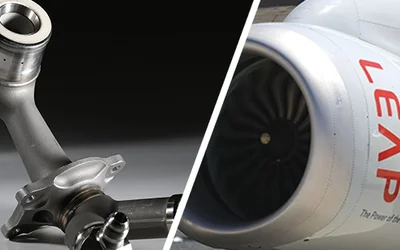
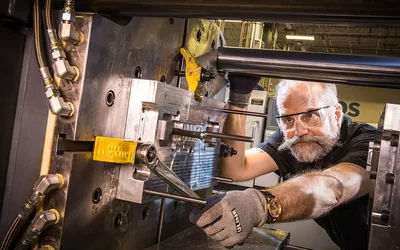
4 ways to improve product development in aerospace and defense using speed, component reduction, multiple manufacturing methods, and quality assurance.
4 ways to improve product development in aerospace and defense using speed, component reduction, multiple manufacturing methods, and quality assurance.
Since the days of the Industrial Revolution, manufacturing has been associated with scale. Small artisanal and home workshops gave way to major factories producing large quantities of goods, employing a massive workforce to carry out repetitive and increasingly mechanised tasks.
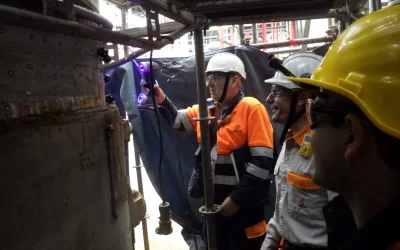
This case study explores the adoption of the HandySCAN SILVER™|Elite, coupled with VXintegrity software, at a Spanish refinery that was introduced to our scanning technology by our partner agent Jesus Contreras from Tecno NDT
What is 3D printing? This article goes over the basics of 3D printing, otherwise known as additive manufacturing, covering its engineering principles and applications.
14 minutes read.
17 minutes read.
11 minutes read.
18 minutes read.
13 minutes read.
10 minutes read.


Entertainment
The Next Byte Podcast is hosted by two young engineers - Daniel and Farbod - who select the most interesting tech/engineering cont...
165 Posts
Lean manufacturing focuses on creating more value with less waste. Pioneered by Toyota in the 1950s, this approach helps businesses streamline processes, improve efficiency, and eliminate activities that don't add value to the final product.
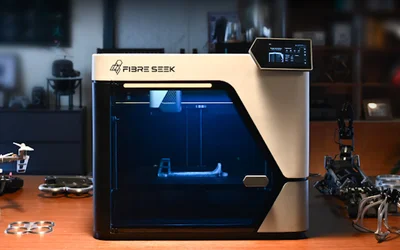
Following a successful crowdfunding campaign, the FibreSeeker 3 from FibreSeek is bringing continuous carbon fiber printing to a new audience.
ADDITIV Medical 2026 will bring together more than 500 medical professionals
Choosing between 3D printing and injection molding is one of the key decisions in product development—especially in case of prototyping.
The data problem
From leading experts at the CDFAM Computational Design Symposium
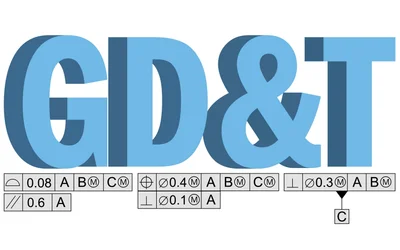
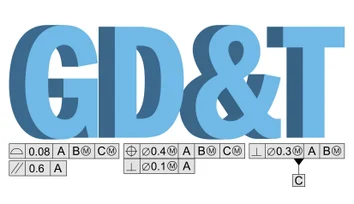
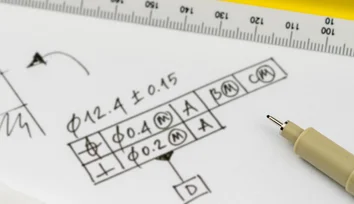
GD&T is the symbolic language engineers use to state exactly how much a part can vary and still work. This guide covers the basics.
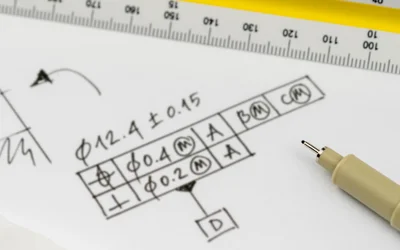
This guide covers the true position formula, how to read the feature control frame, and how MMC and LMC generate bonus tolerance.
4 ways to improve product development in aerospace and defense using speed, component reduction, multiple manufacturing methods, and quality assurance.

7 minutes read
Since the days of the Industrial Revolution, manufacturing has been associated with scale. Small artisanal and home workshops gave way to major factories producing large quantities of goods, employing a massive workforce to carry out repetitive and increasingly mechanised tasks.
This case study explores the adoption of the HandySCAN SILVER™|Elite, coupled with VXintegrity software, at a Spanish refinery that was introduced to our scanning technology by our partner agent Jesus Contreras from Tecno NDT

3 minutes read
The Photoneo Technology and Applications Conference 2024 will bring together bright minds and innovative companies in the field to showcase new possibilities in the field of 3D vision and AI-driven automation.

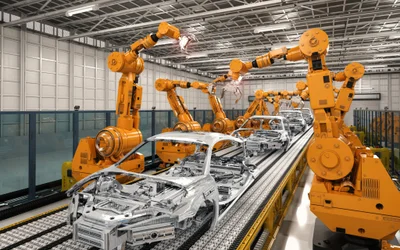
Automotive robots are reshaping production processes, enhancing quality, and redefining the future of the automotive industry. Let’s discover how these mechanical marvels are driving innovation on factory floors worldwide.
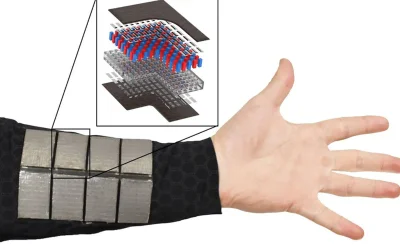
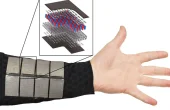
Researchers address battery-life concerns with a new material system that can power a pulse ox with bodyheat alone.

2 minutes read
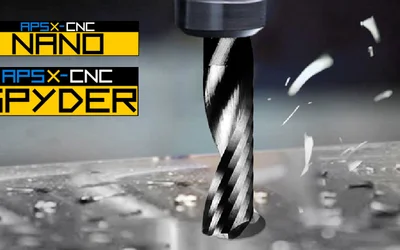
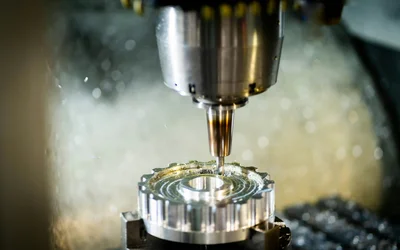
With the right setup, single flute end mills can enhance productivity, extend tool life, and improve the overall quality of your machined parts.
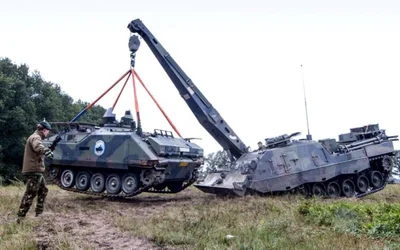
Militaries and defense organizations around the globe are increasing their adoption of 3D printing.
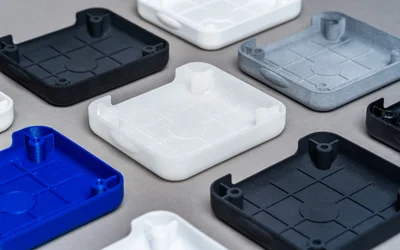
As manufacturing technologies evolve, they present new opportunities for manufacturers throughout the product life cycle. More and more product developers are choosing to pivot from one production method to another or are transitioning between them to suit their needs.
3 minutes read
Let's discuss a major misunderstanding about CNC machining tolerances.

3 minutes read
The Raspberry Pi is an excellent example of a versatile and cost-effective single-board computer. Originally designed for simple teaching purposes, it soon became apparent that these machines offered a much broader scope.
Whether you are a seasoned manufacturing manager or new to the field, understanding the role of tolerances in product design and machining is essential for optimizing your processes and achieving high-quality results.
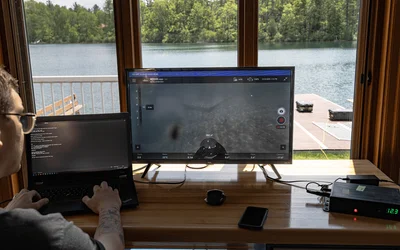
Learn about Deep Trekker’s proprietary BRIDGE technology and how it enables you to control your Deep Trekker ROV from any device, and so much more.

6 minutes read
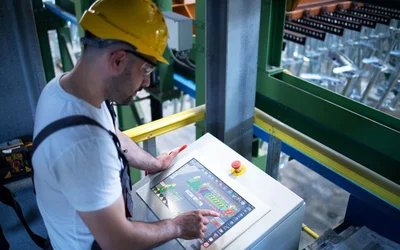
Discover the transformative shift in human-machine interaction as touchless technologies redefine how we interact with machines.
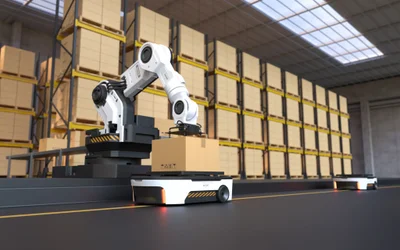
The rise of robotics is revolutionizing warehouse operations, enhancing efficiency, accuracy, and productivity. This comprehensive guide explores the various types of warehouse automation robots reshaping the logistics landscape.