
Featured
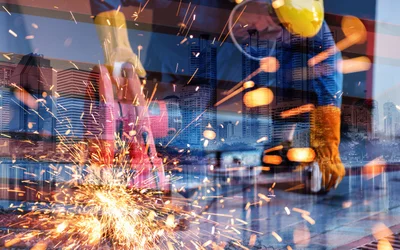
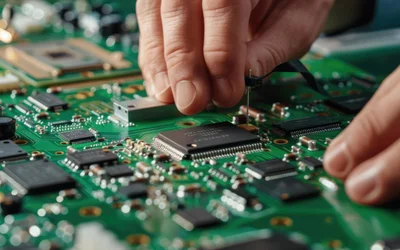
We all understand that electricity is a very dangerous thing. What may be less well understood is its specific physical dangers, which fall into two major categories: electric shock and arc flash.
We all understand that electricity is a very dangerous thing. What may be less well understood is its specific physical dangers, which fall into two major categories: electric shock and arc flash.
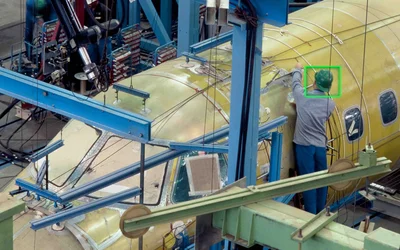
Struggling with safety compliance and quality control in manufacturing? Discover how Matroid’s no-code computer vision platform is transforming the industry with real-time defect detection, PPE monitoring, and predictive maintenance.
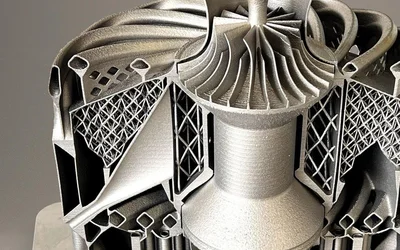
In this chapter, we present three exclusive interviews with industry experts from Xometry, UltiMaker, and Aibuild, key sponsors of the Wevolver Metal 3D Printing Technology Report.
What is 3D printing? This article goes over the basics of 3D printing, otherwise known as additive manufacturing, covering its engineering principles and applications.
14 minutes read.
17 minutes read.
11 minutes read.
18 minutes read.
13 minutes read.
10 minutes read.


Entertainment
The Next Byte Podcast is hosted by two young engineers - Daniel and Farbod - who select the most interesting tech/engineering cont...
165 Posts
Lean manufacturing focuses on creating more value with less waste. Pioneered by Toyota in the 1950s, this approach helps businesses streamline processes, improve efficiency, and eliminate activities that don't add value to the final product.
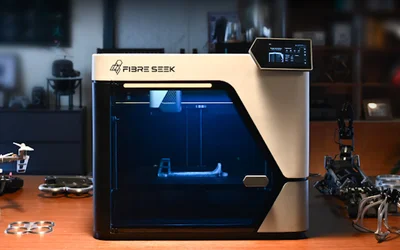
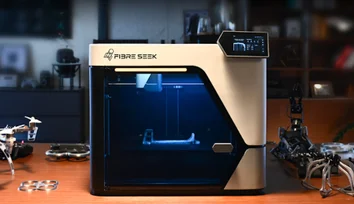
Following a successful crowdfunding campaign, the FibreSeeker 3 from FibreSeek is bringing continuous carbon fiber printing to a new audience.
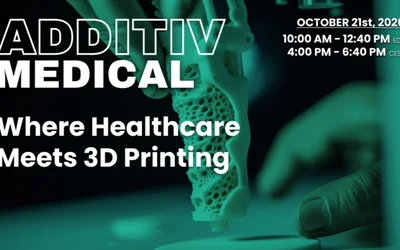
ADDITIV Medical 2026 will bring together more than 500 medical professionals
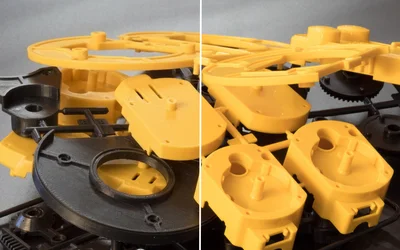
Choosing between 3D printing and injection molding is one of the key decisions in product development—especially in case of prototyping.
The data problem
From leading experts at the CDFAM Computational Design Symposium
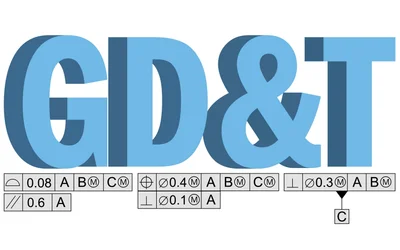
GD&T is the symbolic language engineers use to state exactly how much a part can vary and still work. This guide covers the basics.
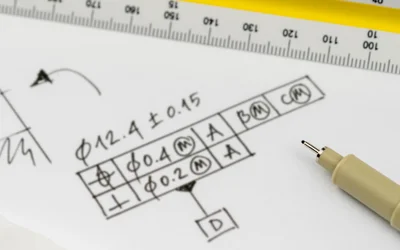
This guide covers the true position formula, how to read the feature control frame, and how MMC and LMC generate bonus tolerance.
We all understand that electricity is a very dangerous thing. What may be less well understood is its specific physical dangers, which fall into two major categories: electric shock and arc flash.
Struggling with safety compliance and quality control in manufacturing? Discover how Matroid’s no-code computer vision platform is transforming the industry with real-time defect detection, PPE monitoring, and predictive maintenance.
In this chapter, we present three exclusive interviews with industry experts from Xometry, UltiMaker, and Aibuild, key sponsors of the Wevolver Metal 3D Printing Technology Report.
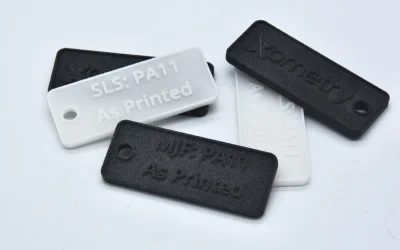
This article aims to examine the differences between PA 11 and PA 12. Despite their chemical similarity, these two polymers tend to produce different outcomes and end parts.

5 minutes read
InDro Launches New Online Store

4 minutes read
Electrical circuits are constructed with at least three different wires: live, neutral and ground. Power flows in via the live wire and out via the neutral wire.
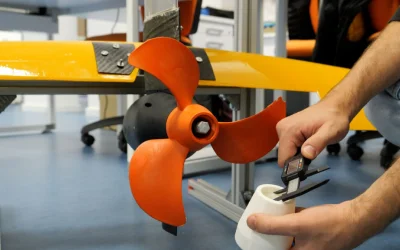
25 engineering students from the University of Vigo shared a common goal: to build a solar-powered trimaran for competition that runs exclusively on clean energy. Thanks to the UltiMaker S5 3D printer, they achieved their objective of creating a more environmentally friendly mode of transportation.

2 minutes read
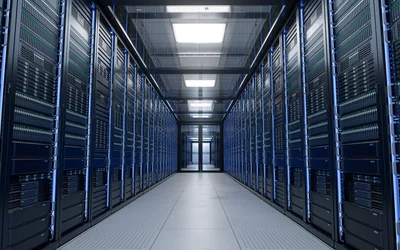
Infineon’s Power System Reliability Modeling enhances power reliability in data centers by enabling real-time power supply monitoring, predictive maintenance, and lifetime estimation from component to system level.
The seventh chapter of the Wevolver Metal AM Report explores the evolving metal additive manufacturing market, projecting a significant growth with a 29% CAGR by 2028 and focusing on key trends including Process Integration, Sustainable Practices, and Accessibility.
Electroforming is an advanced manufacturing process that has become an essential manufacturing technology in the medical industry due to its unique capabilities and advantages over traditional manufacturing methods.
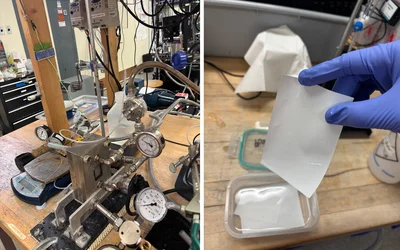
MIT engineers designed a nanofiltration process that could make aluminum production more efficient while reducing hazardous waste.
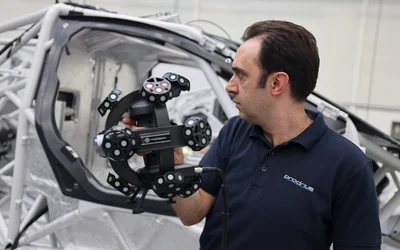
This blog introduces Prodrive's venture into the Dakar Rally highlights the critical role of 3D scanning technology in race car inspection. Leveraging TrackScan-Sharp, Prodrive ensures thorough assessments of vehicle frames, vital for maintaining safety and performance in extreme racing conditions.

3 minutes read
LED applications are a staple of engineering school projects, combining hands-on learning with creativity. Among these, the LED roulette is a favorite, offering both intellectual challenge and engaging interactivity.

6 minutes read
Researchers from the Buchmann Institute for Molecular Life Sciences at Goethe University have used the microArch® S140, a microscale 3D printer from Boston Micro Fabrication, to help fabricate miniaturized vessels called hydrowells for culturing 3D cellular spheroids under microgravity conditions.

3 minutes read
Digital transformation in the manufacturing industry is advancing fast to meet the constant demand for new products and processes. The development and adoption of immersive technology have introduced us to a new arena – the metaverse – with all its exciting possibilities.