
Featured
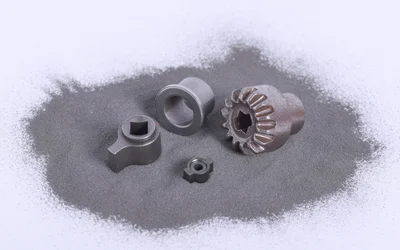
From crack-free molybdenum MoC0.4 to conductive, anodizable aluminum Aheadd CP1—and ultrafine, user-driven powder production with ultrasonic atomization
From crack-free molybdenum MoC0.4 to conductive, anodizable aluminum Aheadd CP1—and ultrafine, user-driven powder production with ultrasonic atomization
Join Altair's global virtual event on May 15, 2025, and discover how to design faster, smarter, and more sustainably. Keynotes, live demos, expert insights - all in one day.
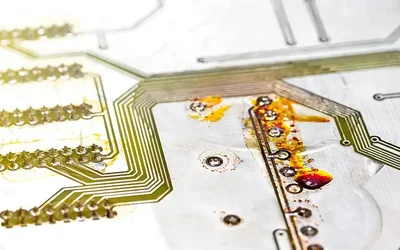
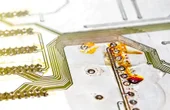
Conformal coatings are polymeric films on printed circuit boards (PCBs) that protect against hazards like moisture, pollution, chemicals, and temperature changes. This layer of material is vital for the longevity and reliability of electronic parts.
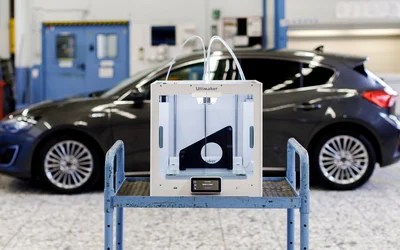
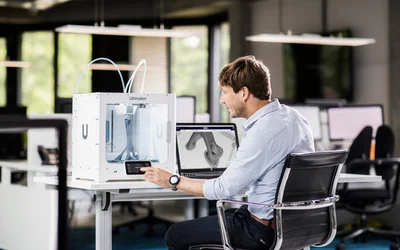
What is 3D printing? This article goes over the basics of 3D printing, otherwise known as additive manufacturing, covering its engineering principles and applications.
14 minutes read.
17 minutes read.
11 minutes read.
18 minutes read.
13 minutes read.
10 minutes read.


Entertainment
The Next Byte Podcast is hosted by two young engineers - Daniel and Farbod - who select the most interesting tech/engineering cont...
165 Posts
Lean manufacturing focuses on creating more value with less waste. Pioneered by Toyota in the 1950s, this approach helps businesses streamline processes, improve efficiency, and eliminate activities that don't add value to the final product.
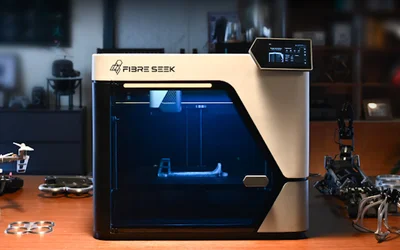
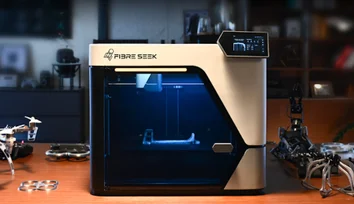
Following a successful crowdfunding campaign, the FibreSeeker 3 from FibreSeek is bringing continuous carbon fiber printing to a new audience.
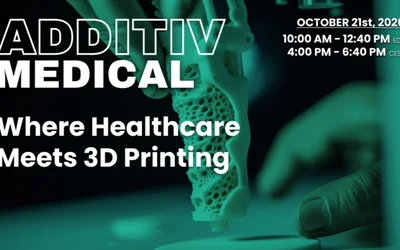
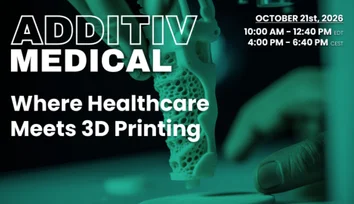
ADDITIV Medical 2026 will bring together more than 500 medical professionals
Choosing between 3D printing and injection molding is one of the key decisions in product development—especially in case of prototyping.
The data problem
From leading experts at the CDFAM Computational Design Symposium
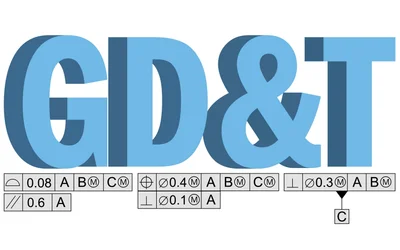
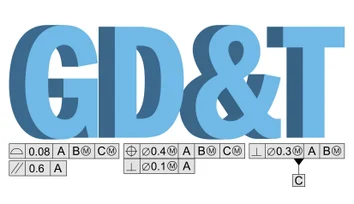
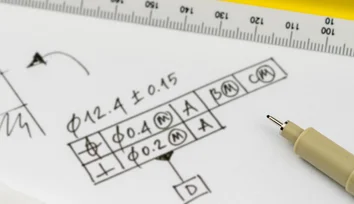
GD&T is the symbolic language engineers use to state exactly how much a part can vary and still work. This guide covers the basics.
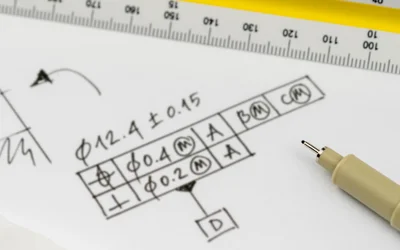
This guide covers the true position formula, how to read the feature control frame, and how MMC and LMC generate bonus tolerance.
From crack-free molybdenum MoC0.4 to conductive, anodizable aluminum Aheadd CP1—and ultrafine, user-driven powder production with ultrasonic atomization

2 minutes read
Join Altair's global virtual event on May 15, 2025, and discover how to design faster, smarter, and more sustainably. Keynotes, live demos, expert insights - all in one day.
Conformal coatings are polymeric films on printed circuit boards (PCBs) that protect against hazards like moisture, pollution, chemicals, and temperature changes. This layer of material is vital for the longevity and reliability of electronic parts.
The automotive industry is undergoing a transformative shift with the advent of 3D printing technology for engine components. This revolutionary approach is reshaping how engineers design and produce intricate 3D printable engine parts with unprecedented precision and efficiency.

8 minutes read
Read part 1 of 4 in our new articles series exploring TDK’s advanced robotics. This first part delves into how TDK ROS leverage multiprocessor technology to enhance precision, efficiency, and multitasking across service and industrial applications.
Configurable power supplies combine the flexibility of custom designs with the speed and cost-efficiency of modular systems. By enabling tailored voltage, current, and control features, they help engineers address evolving requirements across industrial and medical applications.
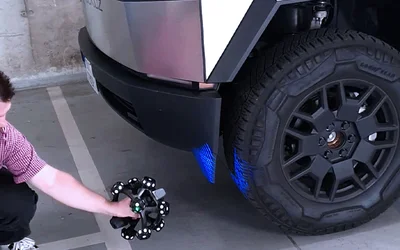
SCANTECH's NimbleTrack enabled Waido to design a precision-fit widebody kit for the Tesla Cybertruck—despite complex surfaces and no CAD files. Its wireless, markerless, and high-accuracy scanning captured every detail in just 2 hours, helping create the bold “Cyberbeast” kit, now a bestseller.

4 minutes read
Surface preparation and board cleaning are hot topics in our industry, and an entire history of why this is a debate would be beyond the scope of this article. If you are looking for that type of deep dive, Aqueous has a great reference.
3D printing and injection molding represent two distinct approaches to manufacturing plastic parts and components. While each method has its unique strengths, they can also complement one another in certain production scenarios.
7 minutes read
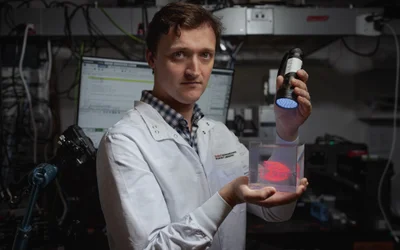
Stanford bioengineer Mark Skylar-Scott on his “science fiction” quest to 3D print human hearts and other organs on demand, using cells from a patient’s own body.

2 minutes read
The benefits of 3D printing can be exploited by engineers, with high-quality hardware and materials leading to new products across diverse industries
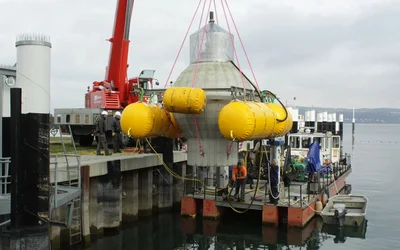
From Lake Constance field tests to a planned Long Beach deployment, Sperra and Pleuger retrofit ocean-depth bentonite spheres (0.5 MW/0.4 MWh) for renewable energy arbitrage and ancillary service markets.
3 minutes read
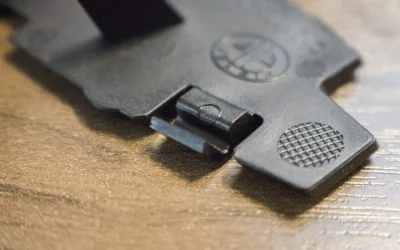
This article reviews snap-fit joint types, their benefits, essential design tips, and how to select the most suitable joint for your application.

8 minutes read
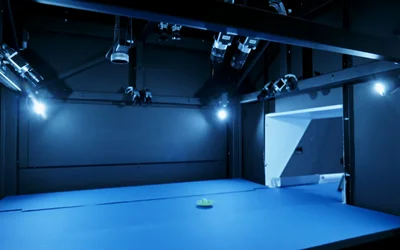
This article explores AM-Quality, the world’s first in-line quality control solution, designed to provide the speed, precision, and scalability at the heart of AM-Flow’s vision.
Traditional marketing methods no longer suffice in an increasingly digital world. Manufacturers must adopt digital strategies to stay competitive and connect with today's B2B buyers.