Step By Step Guide To Troubleshooting Electrical Motors
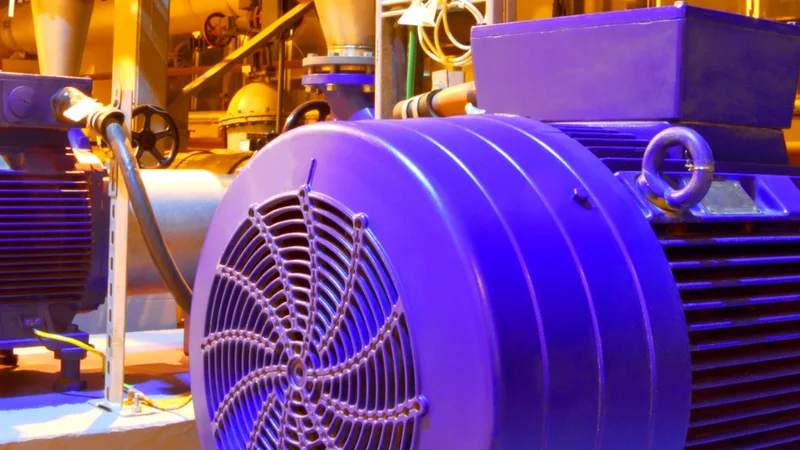
Electrical motors are vital components in various industrial and household appliances. They transform one form of energy (electrical) into another (mechanical) to perform essential tasks.

This article was first published on
www.rowse-automation.co.ukLike all components, motors can run into a number of issues during operation. There are 6 common ways that motors can fail: Heat, dust, power issues, moisture, dryness, and vibration.
Troubleshooting these problems requires a systematic approach, combining basic understanding and practical techniques. This guide provides a step-by-step method for diagnosing and addressing common issues with electrical motors, ensuring they remain operational and efficient.
The Importance Of Understanding Motors
Understanding how to troubleshoot electrical motors is not just a skill but a necessity for anyone responsible for maintaining machinery, whether in an industrial setting or at home. Electrical motors are the heart of many pieces of equipment, from large manufacturing machines to everyday household appliances. When they perform poorly – or fail altogether – the entire system they power can come to a halt, leading to downtime and potentially costly repairs. Don’t let that happen.
By following a structured troubleshooting process, you can identify issues early, address them effectively, and maintain the longevity of your motors. This knowledge and skillset will empower you to handle any motor-related problems that may arise in the future with complete confidence.
5 Simple Steps To Success
Here’s what to do to keep your electrical motors working as expected:
Step 1: Start With The Basics
Before diving deep into the problem, make sure you understand how electrical motors work and the parts you may need to tinker with. In most cases, motors will consist of:
Stator: A stationary element that produces a magnetic field when electricity flows through it
Rotor: A rotating part of the motor that interacts with the magnetic field to create motion
Commutator: This component helps reverse the current flow direction, ensuring smooth rotation
Bearings: These support the rotor. Up to 65% of motor problems are caused by bearings issues.
Capacitors: Often used in single-phase motors to provide a starting torque
Gaining a good understanding of the parts that make up electrical motors will make it easier to identify and diagnose problems in the future, as well as implement resolutions more accurately.
Step 2: Identify Common Symptoms
Recognising the signs of motor problems early on can go a long way towards preventing further damage from occurring. The most common symptoms include:
Strange noises: Unusual sounds such as humming or high-pitched screeching
Overheating: Overloading, poor ventilation and electrical faults can all lead to excessive heat
Vibration: Misalignment, imbalanced rotors and worn bearings can cause too much movement
Tripping: If the motor trips regularly, there may be an electrical fault
Poor performance: Reduced speed or power could indicate internal issues like a damaged rotor
Step 3: Implement Simple Solutions
Once a potential issue has been identified, start at the beginning and try out some simple solutions that may be effective at fixing the problem without the need for professional intervention.
Possible resolutions that are easy to implement include:
Verifying the power supply
Make sure that the correct voltage is being received. An inconsistent, fluctuating or insufficient power supply can prevent the electrical motor from performing, or stop it operating at all.Evaluating electrical connections
Loose or corroded connections can result in unexpected behaviours. Be sure to have a quick look at the wiring and connections, making sure everything's tightened up and free from dirt and grime.Cleaning and lubricating components
Dirt and other contaminants can build up on a motor's moving parts, leading to friction and overheating. Regularly clean the motor's components and lubricate bearings and other moving parts.Inspecting belts and pulleys
For motors that operate with belts and pulleys, check for wear or misalignment. Worn belts can slip, reducing the motor's efficiency, while misaligned pulleys can cause excessive vibration and noise.Checking capacitors
Capacitors are crucial for starting and running single-phase motors. A faulty capacitor can reduce the likelihood of a motor starting up correctly. Use a multimeter to test, and replace if necessary.
Step 4: Advanced Troubleshooting Techniques
If basic troubleshooting doesn't solve the problem, more advanced methods may be required. These techniques often involve a deeper examination of the motor's internal components. For those confident enough to explore more complex issues, possible resolutions to try may include:
Rewinding the motor
When motor windings are damaged, rewinding might be necessary. This involves removing and replacing the damaged winding wire with new wire and restoring the motor's functionality.Replacing bearings
Worn or damaged bearings are a common cause of noise and vibration. Replacing these bearings with high-quality alternatives can significantly improve the motor's performance and longevity.
Inspecting commutator & rotor
For motors equipped with commutators, look for any wear or damage on the components. Similarly, check the rotor for any signs of imbalance or wear that could be causing issues.
Step 5: Use Predictive Maintenance
Predictive maintenance is a proactive approach focusing on the prevention of unexpected failures. This strategy uses sensors, data analytics and computerised maintenance management systems (CMMS) to forecast when a component is likely to fail. By predicting potential failures, maintenance can be scheduled in advance, preventing unplanned downtimes. An effective predictive maintenance program aims to significantly reduce unexpected failures, boosting the reliability of machinery and ensuring maximum efficiency.
As part of a predictive and preventive maintenance strategy, you may wish to:
Carry out regular inspections
Schedule regular inspections of your electric motors. Watch for obvious signs of wear and tear, ensure all components are lubricated and verify the motor is operating normally.
Clean and ventilate motors frequently
A clean motor is less likely to overheat and suffer from performance issues. Ensure motors are free of dust and debris and that they have adequate ventilation to help prevent instances of overheating.
Monitor operating conditions
Keep track of operating conditions, including temperature, voltage and current. Anything out of the ordinary could suggest that some underlying issues must be addressed promptly.
Keep Your Motors Running Smoothly
Troubleshooting electrical motors requires basic knowledge, practical skills and sometimes a little professional intervention. By following this step-by-step guide, you can address many common motor issues on your own, helping to minimise downtime and repair costs. However, when more complex problems arise, it's essential to rely on trained experts who have the necessary tools and experience to restore your electrical motors and equipment back to optimal condition.
Regular maintenance, timely repairs and adherence to best practices are the keys to ensuring that your electrical motors operate efficiently and reliably for years. Taking a proactive approach to motor care will save you time and money and enhance your machinery's overall performance and lifespan.